


Africa’s Fintech Industry Pushes for Global Leadership Through Regulation and Talent Investment
African fintech executives have called for deeper regulatory coordination, stronger investment in digital skills and expanded cross-border financial infrastructure as the continent seeks to establish itself as a global force in digital finance innovation.
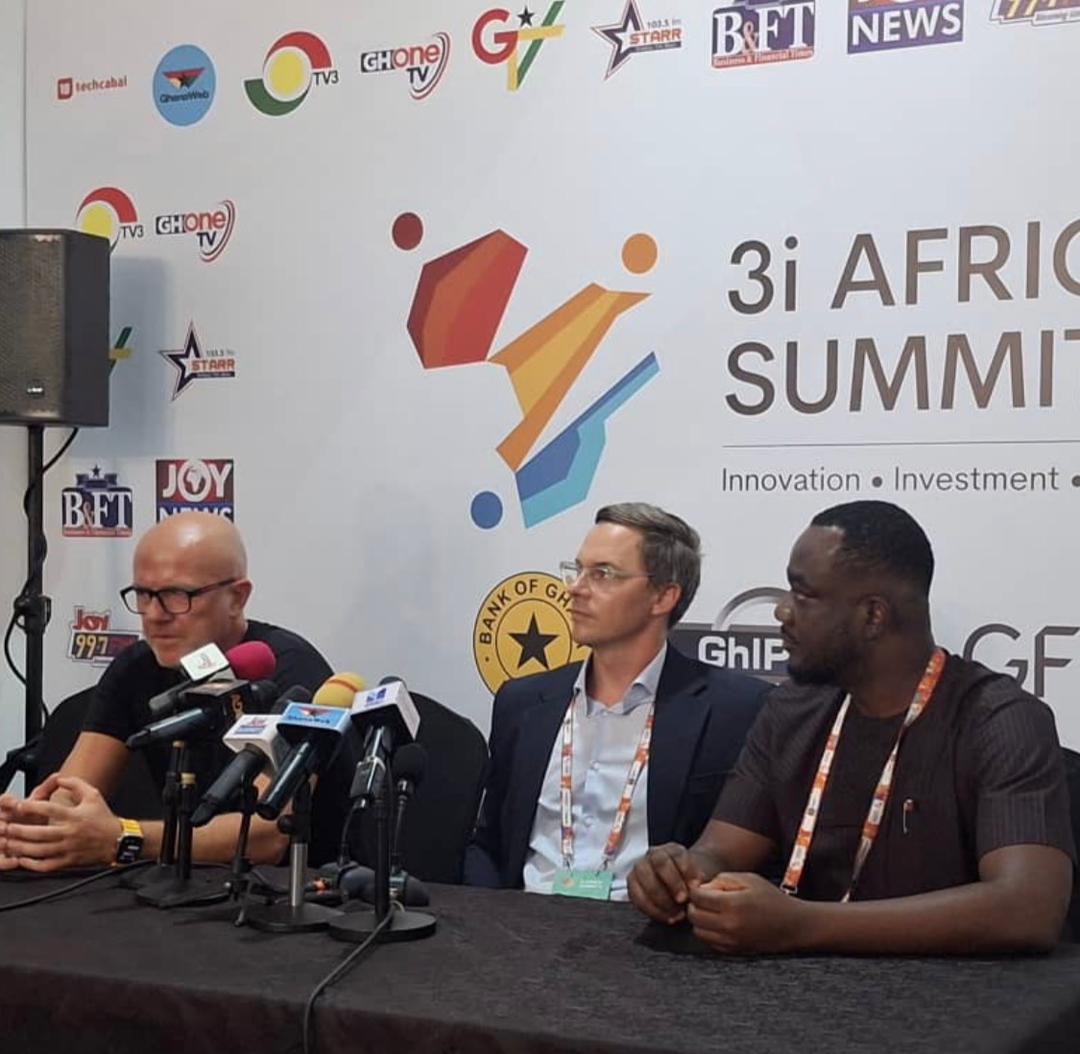
Speaking at the 3i Africa Summit in Accra, industry leaders said Africa’s rapid adoption of mobile money and digital lending platforms had positioned the continent not merely as a technology adopter but increasingly as a source of globally replicated financial innovation.
Executives from JUMO and the Global Finance and Technology Network (GFTN) argued that the next stage of growth would require deliberate policy alignment between governments, regulators and private sector operators to accelerate digital trade and financial inclusion across African markets.
“Africa has been a champion for innovation in financial services in the past 10 years. What we need now is acceleration,” said Paul Whelpton.
The comments reflect growing confidence within Africa’s fintech ecosystem as governments and central banks intensify efforts to modernise payment systems and expand access to financial services for underserved populations.
Philip Owusu-Gyamfi said the continent was transitioning beyond basic mobile money services into broader digital finance ecosystems encompassing lending, identity verification and interoperable payment systems.
“We are transitioning from mobile money systems into true digital finance, and that presents enormous opportunities for African markets,” he said.
Industry executives noted that African innovations particularly mobile money systems first developed in East Africa had increasingly become reference models for emerging economies in Asia and other developing regions.
They further stressed the importance of harmonised regulation and interoperable systems in reducing friction in cross-border transactions and supporting the implementation of the continent’s broader trade integration agenda.
“The benefit of digital finance is that it is cross-border and transferable. Once systems are connected, transactions and customer verification become much easier,” said Matteo Rizzi.
Participants at the summit also highlighted the strategic importance of investing in artificial intelligence, software engineering and entrepreneurship to ensure Africa develops the technical capacity required to compete in the global digital economy.
“The speed at which we organise capacity building is the same speed at which Africa can become the next global business hub,” Rizzi added.
The 3i Africa Summit brought together fintech companies, regulators, investors and development institutions to discuss innovation, investment and inclusive economic growth across Africa’s digital finance sector.

