


- Argentina’s World Cup Excitement Fuels Surge in Fake Football Merchandise
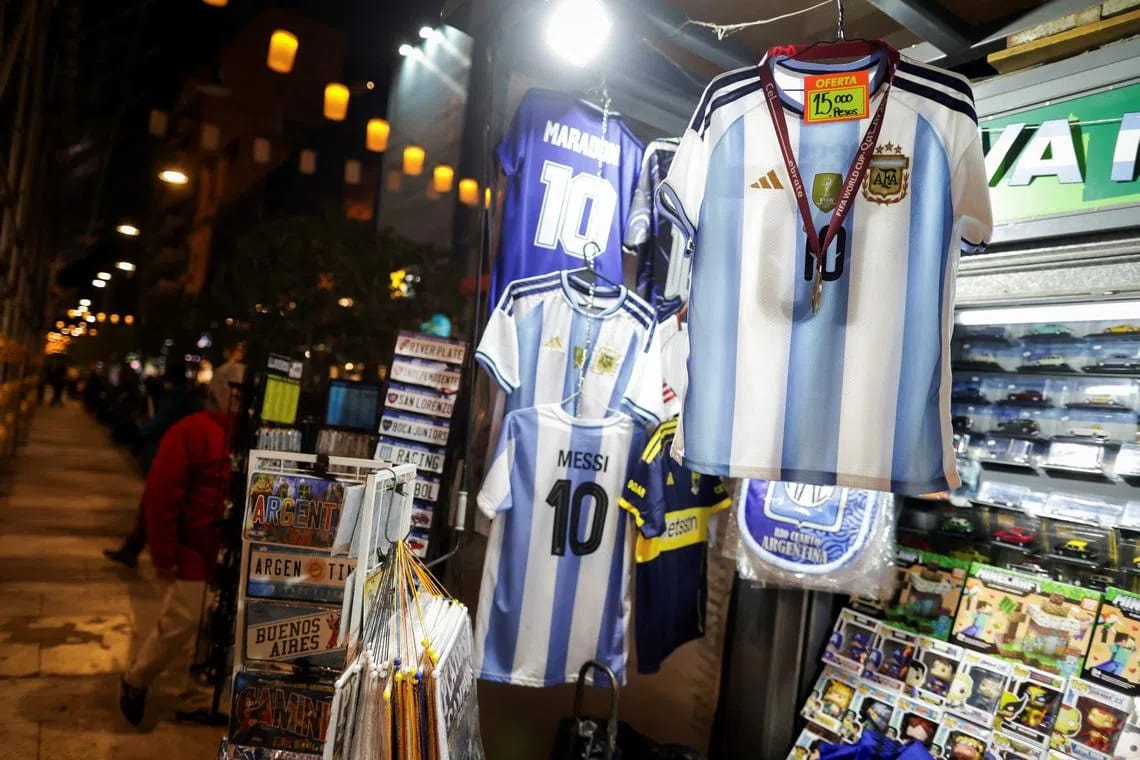
World Cup excitement is sweeping through Argentina once again, but the anticipation for the 2026 tournament has also triggered a booming trade in counterfeit jerseys and fake football merchandise across Buenos Aires.
As defending champions Argentina prepare to begin their title defence next month, the capital’s busy shopping streets have been filled with vendors selling unofficial national team shirts, hats, flags, mate gourds and trading cards in the country’s famous light blue and white colours.
The surge in demand reflects the emotional pull of Argentina’s 2022 World Cup victory in Qatar, where Lionel Messi finally led the national team to global glory after years of near misses.
But for retailers and textile industry leaders, the latest wave of football passion has come with a cost.
They say the rapid growth of counterfeit products is hurting legitimate businesses already battling difficult economic conditions under President Javier Milei’s market-opening reforms.
Fabián Castillo, head of the Buenos Aires commerce chamber, estimates that more than 70 per cent of Argentina jerseys sold on the streets are fake.
“Argentina’s World Cup victory in 2022 makes people who don’t even like football feel that passion,” Castillo said, as supporters rush to buy merchandise ahead of the tournament.
For many fans, however, official products remain out of reach because of rising living costs and weakened purchasing power caused by inflation.
Lucas Aranda, a textile merchant from Buenos Aires province, sells replica Argentina jerseys for about 40,000 pesos, roughly $28, nearly four times cheaper than authentic versions.
That price difference has made counterfeit merchandise attractive to supporters who want to identify with the national team but cannot afford official apparel.
The demand for lower-priced alternatives has also spread beyond jerseys. World Cup trading cards and sticker albums have become part of the unofficial merchandise boom, with cheaper versions widely available online.
Local textile businesses say the flood of fake merchandise comes at a difficult time for the industry, which has already seen several factories shut down due to competition from cheap imports.
The concern among legitimate producers is that counterfeit sales are not merely a street-market issue, but part of a broader pressure on domestic manufacturing, employment and formal commerce.
Despite those concerns, football fever continues to grow across Argentina as fans count down to the start of the World Cup in the United States, Canada and Mexico.
Argentina will begin their campaign against Algeria on June 16, with Lionel Scaloni’s side aiming to defend the title they won in Qatar four years ago. For fans, the shirt remains more than fabric. It is identity, memory and hope stitched into national colours.
For businesses, however, Argentina’s World Cup passion has opened another battle not on the pitch, but in the marketplace, where official brands must compete with cheaper imitations at a time when many consumers are choosing affordability over authenticity.

