
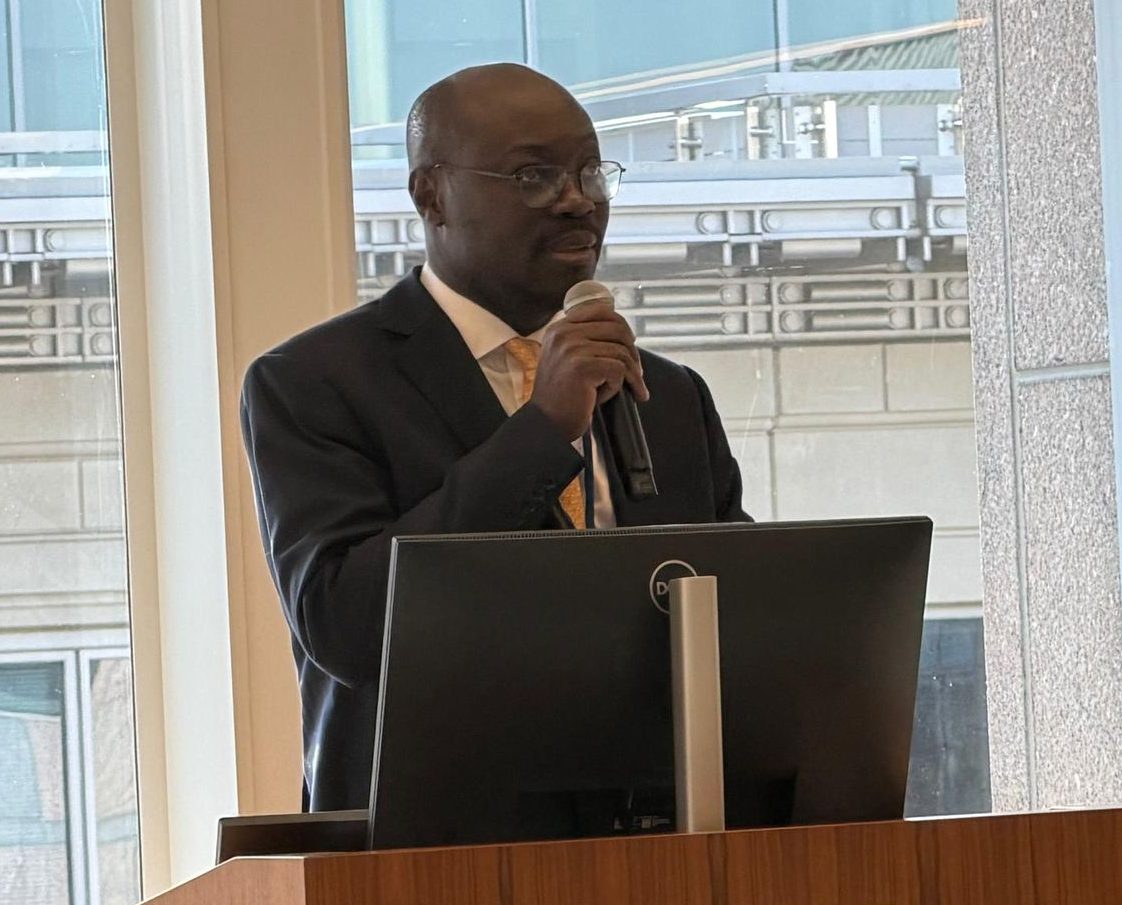

- Ghana’s recovery is “not cosmetic”. Ato Forson tells investors in Washington
Ghana’s Finance Minister, Dr. Cassiel Ato Forson, has moved to reassure international investors that the country’s economic recovery is not a temporary stabilisation story but the result of deeper fiscal and structural reforms aimed at restoring long-term credibility in policymaking.
Speaking during investor engagements on the sidelines of the IMF and World Bank Spring Meetings in Washington, Forson argued that the gains recorded by the economy were rooted in deliberate policy choices rather than headline management.
“These are not cosmetic gains,” he said. “They are outcomes of well-thought-through reforms, backed by laws and disciplined implementation.”
The message appeared designed to convince investors that Ghana’s recent macroeconomic improvement, following one of the most severe crises in its recent history, is being underpinned by institutional change, tighter fiscal controls, and a more rules-based approach to public finance.
An aggressive expenditure rationalisation programme lies at the centre of the government’s reform narrative. Ghana’s Finance Minister said the administration had significantly reduced the size of government, cutting the number of ministers from 123 to 60, as part of a broader effort to curb waste and impose discipline on public spending.
He also pointed to the enforcement of a mandatory commitment authorisation regime across ministries, departments, and agencies, alongside amendments to the Public Financial Management Act that introduced new fiscal anchors, including a primary surplus target of 1.5 percent and a debt ceiling of 45 percent.
To deepen accountability, the government has established two independent institutions: a Fiscal Council and an Office of Value for Money. Forson said they aimed to reduce waste and improve expenditure efficiency.
The reforms extend beyond expenditure control. He highlighted changes in the management of public funds, including the uncapping of statutory funds to better align spending with national priorities, as well as amendments to the Petroleum Revenue Management Act that would channel more resources toward infrastructure investment.
On the revenue side, he cited tax administration reforms, adjustments to the revenue refund system, and broader VAT and customs measures aimed at plugging leakages and strengthening domestic revenue mobilisation.
The mining, petroleum and energy sectors have also been drawn into the reform effort. Royalties have been restructured to support large-scale infrastructure financing, while the energy sector has seen what the Minister described as critical interventions, including the operationalisation of a cash waterfall mechanism to improve payment flows and sector sustainability.
Other measures include payroll audits and verification exercises to eliminate inefficiencies, the rationalisation of government programmes to reduce duplication, and restructuring at COCOBOD to improve operational efficiency. Social protection programmes, he added, have also been expanded to cushion vulnerable groups during the adjustment process.
Dr Ato Forson sought to link those reforms directly to the macroeconomic indicators now drawing renewed investor attention. Growth, he said, has exceeded expectations, driven by strong performances in services and agriculture, while inflation has continued to decline on the back of tight monetary policy, fiscal consolidation, and a strengthening cedi.
He also said Ghana’s external position had improved significantly, supported by strong gold and cocoa exports and a build-up in international reserves that has outperformed targets under the IMF-supported programme.
“These reforms have translated into tangible market outcomes.” The Minister said, pointing to a sharp fall in domestic and Eurobond yields, as well as recent sovereign rating upgrades, as evidence that investor sentiment is beginning to shift.
According to the minister, Ghana’s debt trajectory has also improved materially, with debt restructuring nearly complete and the country remaining current on its debt service obligations a critical signal for creditors still assessing the durability of the country’s recovery.
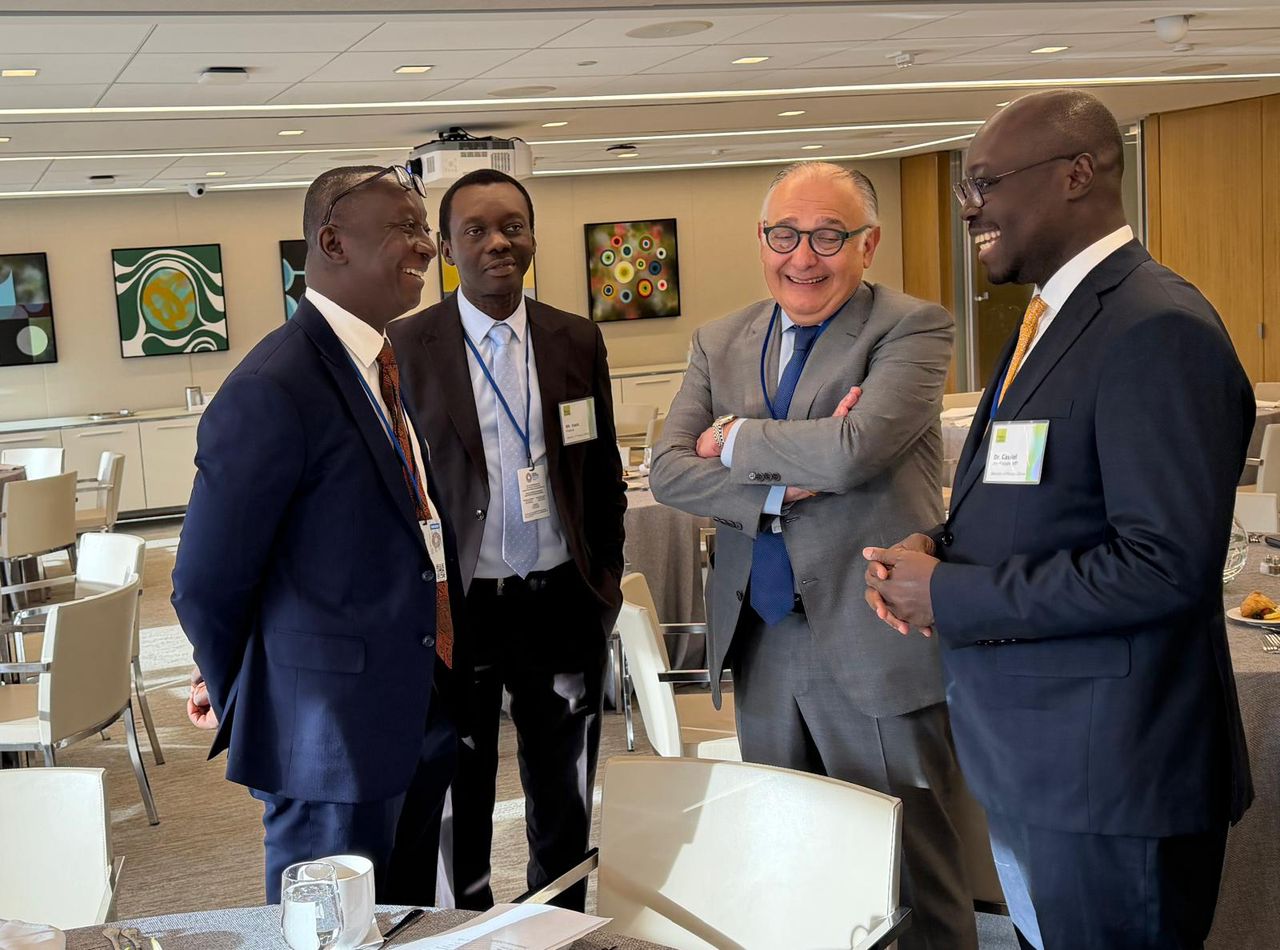
Investor reaction at the meeting, by the government’s account, was positive. Dr Forson said participants expressed “strong admiration” for Ghana’s reset agenda, particularly the depth of the reforms and the progress made in restoring macroeconomic stability and policy credibility.

Looking ahead, he said the government’s task was now to preserve the momentum. “The gains we achieved in 2025 provide a solid platform for continued recovery and policy predictability,” Dr Ato Forson said. “Our focus now is to consolidate these gains, strengthen confidence, and build a more resilient and inclusive economy.”
For Ghana, that may be the more difficult phase of the adjustment story. Stabilisation under pressure is one thing; sustaining discipline as confidence returns is quite another. Dr Forson’s argument to investors is that this time, the recovery is being built on firmer ground. Whether markets fully accept that proposition will depend less on the rhetoric in Washington than on the consistency of policy in Accra.

