

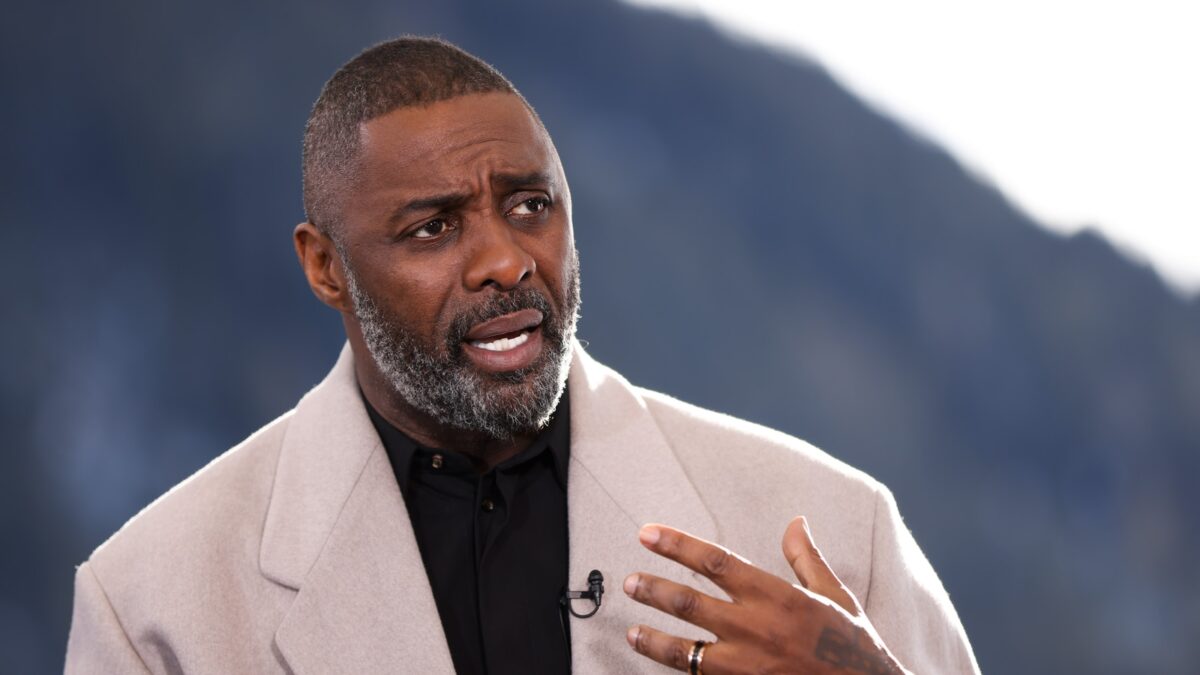

- Idris Elba, Google partner to expand AI access for African content creators
Google has partnered with Idris Elba’s Akuna Group to launch a US$1 million programme aimed at expanding access to artificial intelligence tools and digital skills for 100,000 African creators.
The initiative forms part of Google’s broader push to deepen its cloud, AI and connectivity investments across Africa, after the technology giant said it had surpassed its five-year US$1 billion investment target on the continent.
The announcement was made at Google’s first Africa Cloud Summit in Johannesburg, where the company unveiled new projects covering AI development, internet capacity, startup support and digital skills.
The creator-focused programme will provide training in AI-powered storytelling and give underrepresented African creators access to Google’s Gemini AI assistant and other digital tools.
Google says the partnership with Akuna Group is designed to help creators reduce production costs, improve output quality and compete more effectively in the global digital economy.
The programme targets creators in Africa’s fast-growing creative economy, where filmmakers, musicians, designers, writers, digital artists, podcasters, social media producers and other content entrepreneurs are increasingly using technology to reach wider audiences.
For African creators, the cost of production, limited access to advanced tools and weak digital infrastructure often remain barriers to scale. By providing AI tools and training, the programme seeks to lower some of these barriers and help creators produce high-quality content more efficiently.
Google Senior Vice President for Research and Technology James Manyika said the initiative could help creators improve production capacity by reducing the time and resources needed to create content.
The partnership also aligns with Idris Elba’s long-standing interest in strengthening Africa’s creative industries.
The British actor and entrepreneur, who has Ghanaian and Sierra Leonean heritage, has repeatedly spoken about the continent’s potential in film, music and storytelling, while supporting initiatives aimed at building creative infrastructure and talent pipelines.
The new programme with Google places AI at the centre of that ambition.
Artificial intelligence is increasingly changing how creative work is produced, edited, translated, marketed and distributed. For creators, tools such as Gemini can support script development, research, image and video planning, language localisation, marketing copy, audience analysis and productivity.
But the rise of AI also raises questions about access, skills, copyright, cultural ownership and the risk that African creators could be left behind if advanced tools remain concentrated in wealthier markets.
Google’s initiative seeks to address part of that challenge by expanding access to AI tools and training for creators who may otherwise struggle to afford or understand the technology.
The programme comes as global technology companies intensify their focus on Africa, where a young population, expanding internet access and growing digital entrepreneurship are creating new opportunities in cloud computing, fintech, content creation, e-commerce and AI-enabled services.
At the Johannesburg summit, Google also announced plans to establish a connectivity hub in South Africa’s Eastern Cape, the first of four planned hubs across Africa.
The hub will connect the continent to Australia through the Umoja subsea cable and to India through a new route, with the aim of improving internet capacity, resilience and reliability.
Google also announced Africa’s first applied AI lab in Ghana, which will connect local startups with Google researchers and provide early access to AI models.
The Ghana AI lab is expected to support entrepreneurs working on African challenges in areas such as agriculture, health, education, climate, financial inclusion and public services.
Together, the announcements point to Google’s attempt to position itself more deeply within Africa’s next phase of digital transformation.
For the creative sector, the US$1 million programme could be significant if it reaches independent creators and small studios that often lack access to premium tools, structured training and global distribution support.
Africa’s creative industries have gained international visibility in recent years, driven by Afrobeats, Nollywood, Ghanaian music and film, South African entertainment, digital comedy, fashion and online content creation. Yet many creators still operate with limited production budgets and fragmented support systems.
AI could help close some of the productivity gaps, especially for creators working across multiple languages, markets and platforms.
However, access alone will not be enough.
The success of the programme will depend on the quality of training, the relevance of the tools to African creative workflows, affordability after initial support, and whether creators can use AI without losing cultural authenticity or ownership of their work.
There will also be a need for clear guidance on responsible AI use, including copyright protection, consent, voice and image rights, and the ethical use of generative tools in storytelling.
For Google, the initiative strengthens its positioning in Africa’s AI ecosystem at a time when governments, businesses and creators are debating how the continent should participate in the global AI economy.
For Idris Elba and Akuna Group, it adds another layer to a broader effort to support African storytelling and expand the continent’s creative capacity.
The bigger significance is that AI is no longer only a tool for software engineers, banks, telecoms, researchers or large corporations. It is increasingly becoming part of the creative economy.
If implemented well, the Google–Akuna Group programme could help more African creators use AI to produce faster, tell richer stories, reach wider audiences and compete more confidently in global content markets.
The announcement also sends a wider message: Africa’s creative future will not be shaped by talent alone, but by access to technology, training, capital, infrastructure and platforms that allow that talent to scale.
For 100,000 creators across the continent, the new programme could become an important entry point into that future.

