


- Dollar Strengthens After Fed Rate Hold and Fresh US Strikes on Iran
The US dollar strengthened against most major currencies on Thursday after fresh American air strikes on Iran intensified demand for safe-haven assets, offsetting an initially dovish market reaction to the Federal Reserve’s decision to leave interest rates unchanged.
The dollar index, which measures the currency against six major counterparts, rose by 0.10% to 100.93 after briefly touching a one-week low immediately following the Fed’s announcement.
The euro weakened by 0.10% to US$1.1458, while the Japanese yen traded around ¥163.50 to the dollar, remaining close to historically weak levels. Sterling was broadly steady at US$1.337 ahead of the Bank of England’s interest-rate decision.
The recovery in the greenback reflected a combination of geopolitical risk and uncertainty over the future direction of US monetary policy. The Federal Reserve maintained its benchmark policy rate within the 3.50%–3.75% range, with nine members of the Federal Open Market Committee supporting the decision and three dissenting in favour of a 0.25 percentage-point increase.
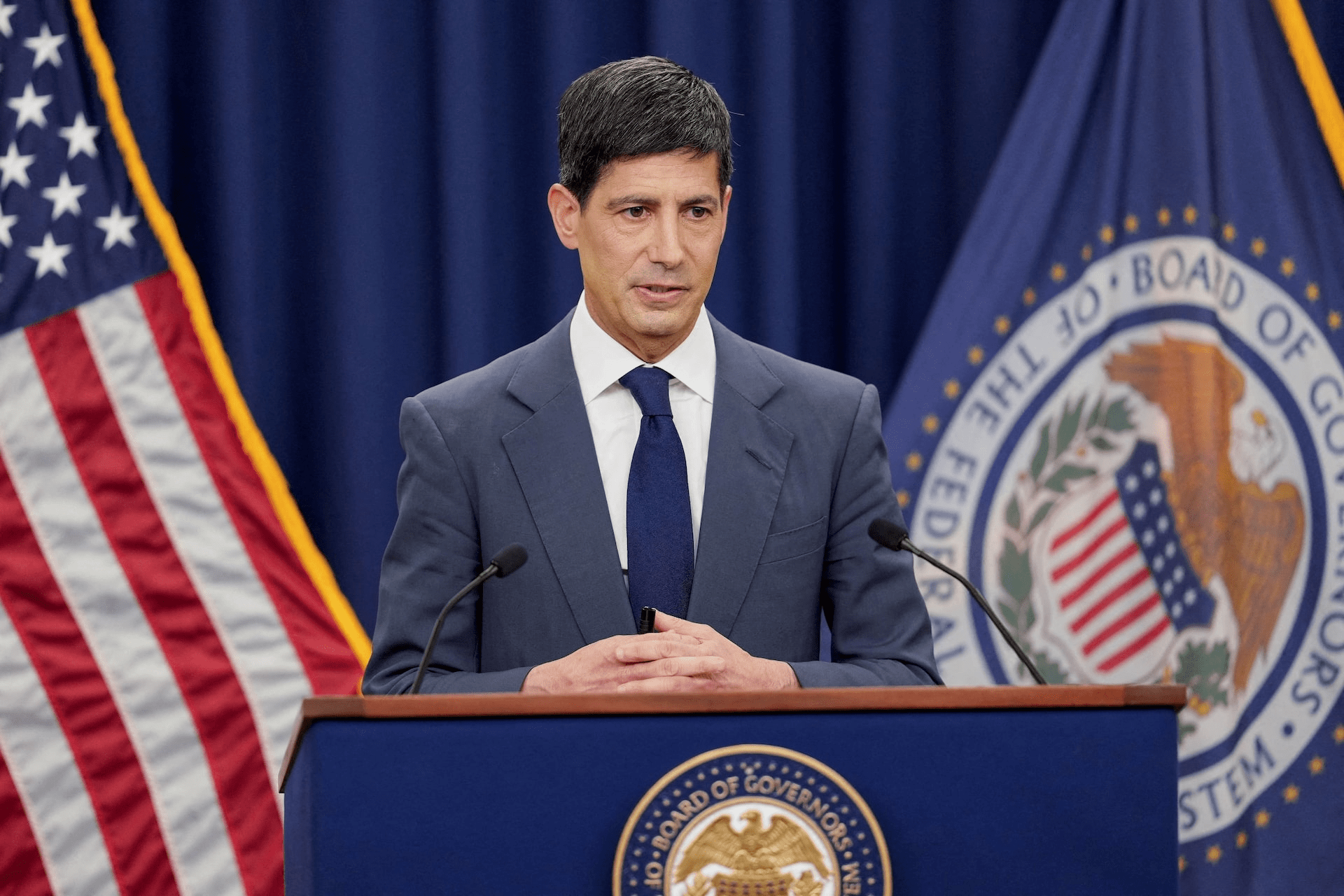
Investors initially interpreted the decision and comments from Fed Chair Kevin Warsh as relatively supportive of risk assets.
Mr Warsh said the central bank had entered a period of “watchful thinking”, language markets interpreted as indicating that policymakers were not in an immediate rush to raise interest rates.
The dollar subsequently regained ground after the United States announced additional strikes on Iran, renewing demand for assets considered safer during periods of political and military uncertainty.
The conflict has complicated the Federal Reserve’s policy outlook by placing additional upward pressure on oil prices and inflation expectations.
Crude oil was trading close to US$90.00 per barrel, raising concerns that higher energy and transportation costs could slow the recent moderation in US inflation.
A sustained rise in oil prices would increase costs across manufacturing, logistics and household consumption, potentially forcing the Fed to maintain restrictive monetary conditions for longer.
The yield on the 30-year US Treasury rose above 5.20%, reaching its highest level in almost two decades as investors demanded greater compensation for the risk that inflation and government borrowing pressures could remain elevated.
The movement represents a steepening of the yield curve, with longer-term yields rising faster than shorter-term rates. That pattern can signal concern about persistent inflation, fiscal risks or the credibility of the central bank’s policy framework.
Markets are now focused on the US Personal Consumption Expenditures price index, the Federal Reserve’s preferred measure of inflation.
Economists expect annual inflation to have slowed to 3.70% in June from 4.10% in May, partly because energy prices moderated during an earlier period of reduced hostilities between the United States and Iran.
Any result above expectations could strengthen the case for another interest-rate increase, particularly after three policymakers supported a hike at the Fed’s July meeting.
Traders increased their expectations that the central bank would hold rates again in September, although market pricing remains sensitive to oil prices and forthcoming inflation data.
The probability of another hold rose to 30.00% from 24.00% before the latest meeting, according to market expectations cited by Reuters. The Australian dollar gained 0.20% to US$0.6971, while the New Zealand dollar advanced by 0.60% to US$0.5828.
Bitcoin rose by 1.50% to US$64,412.00, while Ether increased by 1.80% to US$1,917.00, indicating that parts of the cryptocurrency market continued to attract demand despite the broader geopolitical uncertainty.
Attention will also turn to the Bank of Japan’s policy decision, with economists expecting the central bank to maintain its benchmark rate at 1.00%.
However, persistent inflation and the yen’s weakness could encourage Japanese policymakers to signal a faster pace of future rate increases.
For emerging and frontier economies, a stronger dollar and prolonged high US interest rates could raise the cost of external borrowing, trade finance and imported commodities.
The latest market reaction shows that the dollar’s near-term direction will depend on two competing forces: uncertainty over the Fed’s willingness to tighten further and rising demand for safety as the conflict with Iran escalates.
For now, geopolitical risk and oil-linked inflation concerns are providing the US currency with renewed support.

