

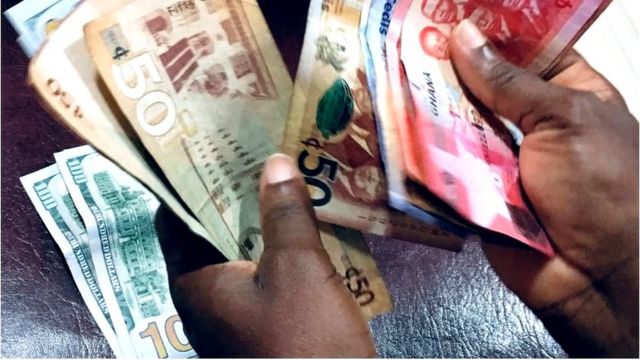

- Dollar Demand Keeps Cedi Under Pressure
Ghana’s cedi is expected to weaken further against the United States dollar over the coming week, as persistent corporate demand for foreign exchange continues to outweigh available market inflows, traders have said. The local currency was trading at GH¢11.34 to the dollar, compared with GH¢11.26 a week earlier, according to LSEG data.
The cedi has remained under pressure from strong foreign-currency demand, particularly from the energy sector, where import and settlement obligations continue to generate sustained dollar needs.
“The cedi is likely to continue its steady slide … as FX backlogs persist,” one trader told Reuters.
The trader added that corporate demand for foreign exchange had remained firm, while mining-sector inflows and central bank auction allocations had so far been insufficient to offset pressure in the market.
The latest currency movement suggests that Ghana’s foreign-exchange market remains vulnerable even as the broader macroeconomic environment shows signs of stabilisation after debt restructuring, tighter fiscal management and improving inflation dynamics.
For businesses, renewed pressure on the cedi could increase the cost of imported inputs, fuel-related obligations and dollar-denominated payments. It could also complicate pricing decisions for firms that depend heavily on imported raw materials or foreign suppliers.
The pressure is particularly sensitive because Ghana has been working to rebuild market confidence after a period of currency volatility, high inflation and external financing constraints. While reserves, gold inflows and policy tightening have helped stabilise sentiment at various points, underlying demand for foreign exchange remains a key test of the recovery.
The currency poll conducted by Reuters also showed mixed expectations across selected African foreign-exchange markets.
Kenya’s shilling is expected to remain broadly stable, with importer dollar demand matched by inflows. Commercial banks quoted the shilling at 128.95/129.25 to the dollar, compared with 129.05/25 a week earlier.
Nigeria’s naira is also forecast to remain broadly stable, supported by central bank dollar sales and higher oil receipts. LSEG data showed the naira trading at 1,368 to the dollar intraday on Thursday, compared with 1,356 a week earlier, while the street-market rate stood around 1,400 to the dollar.
Uganda’s shilling is seen little changed after the central bank maintained its benchmark lending rate at 9.75% for the seventh consecutive policy meeting. Commercial banks quoted the unit at 3,735/3,745 to the dollar, compared with 3,750/3,760 a week earlier.
Zambia’s kwacha, by contrast, could strengthen against the dollar on the back of strong foreign-currency inflows from the mining sector and foreign financial institutions. The kwacha was quoted at 18.98 per dollar, compared with 19.19 a week earlier.
For Ghana, the near-term market signal is clear: the cedi’s direction will depend on whether foreign-exchange supply can catch up with corporate demand, especially from energy-sector players. The Bank of Ghana’s auction allocations and mining-sector inflows may help ease pressure, but traders’ comments suggest they have not yet been strong enough to fully absorb outstanding demand. That makes the cedi’s performance a key indicator for investors, importers and policymakers in the coming days.

