

- IMF warns Middle East war will leave lasting scars on global growth even if truce holds
The International Monetary Fund has warned that the now-paused war in the Middle East will leave a lasting mark on the global economy, even if the ceasefire endures, as a severe energy shock, disrupted supply chains, and rising food insecurity combine to darken the outlook for growth. The IMF said it now expects near-term demand for balance-of-payments support to rise by $20bn to $50bn, with the lower end of that range depending on whether the truce holds.
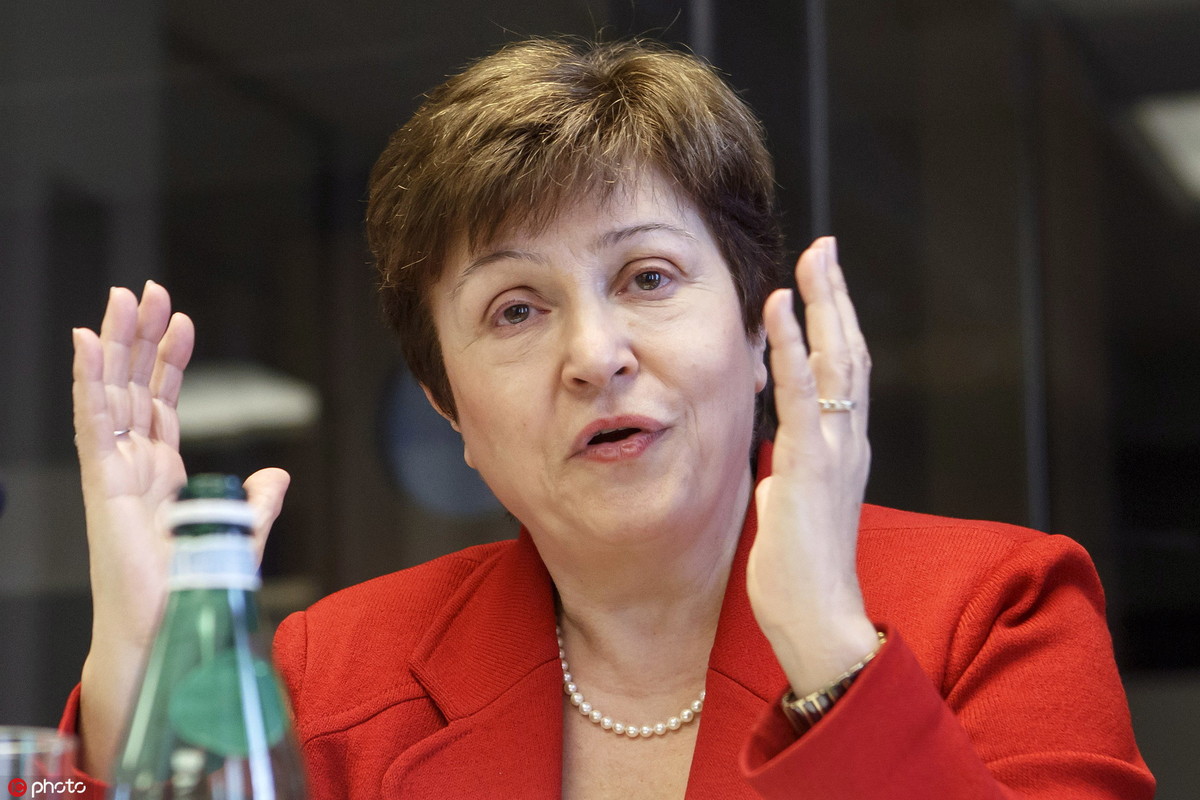
In remarks ahead of the IMF and World Bank Spring Meetings next week, Managing Director Kristalina Georgieva said the world had been hit by a negative supply shock that was “large, global, and asymmetric,” with daily oil flows cut by about 13 percent and LNG flows by some 20 percent. Brent crude, she noted, jumped from $72 a barrel before hostilities to a peak of $120, before easing back while remaining far above pre-war levels.
The Fund’s message is blunt: what began as a regional conflict has already become a broad macroeconomic shock. The IMF said the disruption has spread far beyond oil markets, affecting the availability of refined fuel, transport, trade, tourism, and industrial supply chains. In the speech, Georgieva warned that another 45 million people could be pushed into food insecurity because of transport disruptions and higher fertiliser costs, bringing the global total number of people facing hunger to more than 360 million.

That deterioration comes at an especially awkward moment for policymakers. Georgieva said that, before the conflict, strong investment in AI and technology, alongside supportive financial conditions, had given the global economy notable momentum. “Had it not been for this shock, we would have been upgrading global growth,” she said. Instead, the IMF now expects even its most optimistic scenario to involve a downgrade in world output, citing infrastructure damage, supply disruptions, confidence losses, and other “scarring effects.”
One of the clearest illustrations of those scars is the shutdown of Qatar’s Ras Laffan complex, which Georgieva described as a strategically important LNG hub. In the speech, she said the facility, which accounts for the overwhelming bulk of Gulf LNG exports, has effectively been shut since March 2 and may take three to five years to return to full capacity. That, together with unresolved uncertainty around the Strait of Hormuz and regional air traffic, means there will be no clean return to the pre-war energy order even in the best-case scenario.

The Fund’s concern is not merely about prices but about transmission. Georgieva laid out three main channels through which the shock is hitting the global economy: higher prices and physical shortages, the risk of inflation expectations becoming unanchored, and tighter financial conditions. She pointed to wider emerging-market bond spreads, weaker equity prices, and a stronger dollar as early signs that financial markets have begun to absorb the stress.
For poorer economies, particularly in Sub-Saharan Africa and among small island states, the risks are more acute. Georgieva highlighted vulnerable oil importers with weak sovereign credit ratings as the countries most exposed to the fallout. Her warning is especially relevant for economies with limited reserves, narrow fiscal space, and little ability to cushion households and businesses from a fresh imported inflation shock.

Policy advice from the Fund is correspondingly cautious. Georgieva urged governments to avoid “go-it-alone actions” such as export controls and price controls that could worsen global shortages. For now, she said, central banks should stress their commitment to price stability while largely remaining on hold unless credibility comes under threat. Fiscal authorities, meanwhile, should focus on targeted and temporary support for the vulnerable, aligned with medium-term fiscal frameworks.
The warning on fiscal policy was particularly sharp. Georgieva said the world now has a “fiscal space problem,” with public debt generally far higher than it was two decades ago and interest payments rising as a share of revenue across income groups. Her argument is that broad subsidies, untargeted tax cuts, and deficit-financed stimulus would risk blunting the necessary demand adjustment while making the inflation problem harder to contain.

The Fund also signalled that it is ready to respond. Georgieva said countries can count on IMF financing if needed and stressed that the institution is well resourced to meet the shock. Reuters separately reported that the IMF expects demand for support to climb because of the war’s spillovers, particularly among vulnerable economies hit by higher fuel and import costs.
For markets and policymakers alike, the implication is clear. The IMF is no longer treating the Middle East conflict as a transient commodity spike. It is framing it as a wider macro-financial event, with growth, inflation, food security, and fiscal consequences that could persist well beyond the battlefield.

That framing matters because it suggests the next phase of the global response will not be judged only by whether oil prices retreat, but by whether countries can navigate a slower-growth, higher-cost world without exhausting already thin policy buffers. For many import-dependent economies, especially in Africa, the real test will come.


