

• Login
NORVANREPORTS.COM |  Business News, Insurance, Taxation, Oil & Gas, Maritime News, Ghana, Africa, World
  • Home
  • News
    • General
    • Political
  • Economy
  • Business
    • Agribusiness
    • Aviation
    • Banking & Finance
    • Energy
    • Insurance
    • Manufacturing
    • Markets
    • Maritime
    • Real Estate
    • Tourism
    • Transport
  • Technology
    • Telecom
    • Cyber-security
    • Cryptocurrency
    • Tech-guide
    • Social Media
  • Features
    • Interviews
    • Opinions
  • Reports
    • Banking/Finance
    • Insurance
    • Budgets
    • GDP
    • Inflation
    • Central Bank
    • Sec/Gse
  • Lifestyle
    • Sports
    • Entertainment
    • Travel
    • Environment
    • Weather
  • NRTV
    • Audio
    • Video
No Result
View All Result
No Result
View All Result
NORVANREPORTS.COM |  Business News, Insurance, Taxation, Oil & Gas, Maritime News, Ghana, Africa, World
No Result
View All Result
Home Business

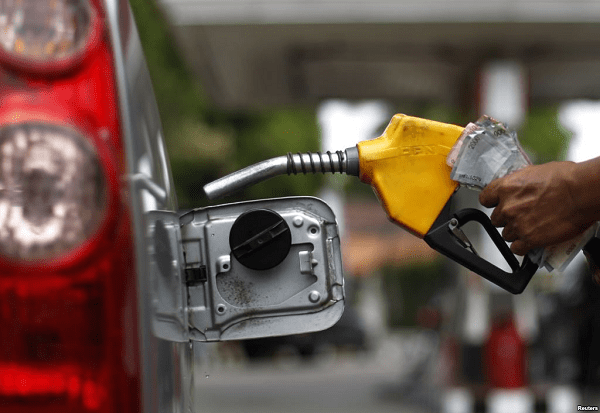
Fuel Price Reductions Expected Under Deregulated Regime – COMAC Says 

10 months ago
in Business, Economy, Features, highlights, Home, home-news, latest News, Markets
1 min read
0 0
0
47
VIEWS
Share on FacebookShare on TwitterShare on Linkedin

Fuel Price Reductions Expected Under Deregulated Regime – COMAC Says 

The latest reduction in fuel prices nationwide did not take industry stakeholders by surprise, the Chamber of Oil Marketing Companies (COMAC) has indicated, stressing that the development was widely expected under Ghana’s deregulated petroleum pricing system.

Appearing on Joy News’ PM Express on Tuesday, COMAC’s Chief Executive, Dr Riverson Oppong, explained that the price cuts currently being felt by consumers had been anticipated several weeks earlier and carefully monitored by oil marketing companies.

According to him, COMAC’s periodic assessments of the pricing framework had consistently pointed to a downward adjustment in recent cycles.

“If you consider the Chamber’s views on the pricing regime we operate under, we publish a price outlook every two weeks. For the past three to four pricing windows, we have clearly projected a decline or reduction in fuel prices,” he said.

Dr Oppong noted that the current pump prices align with the Chamber’s forecasts and reflect compliance among industry players.

“I can state confidently that our members have complied with the expected percentage reductions, which is why we are seeing the prices that prevail today,” he remarked.

RelatedPosts

Anglogold Ashanti Posts $927m Q3 Profit, Declares $361m Interim Dividend

IMF Endorses 2027 Budget Target as External Risks Persist

Economist Prof Peter Quartey Elected to Lead Ghana’s Petroleum Watchdog PIAC

In Ghana, fuel prices are revised every two weeks within a deregulated regime, with changes shaped by global crude oil prices, exchange rate movements, taxes and levies, as well as competitive dynamics among oil marketing companies.

Over the last year, consumers have experienced repeated price increases, largely due to pressures from currency depreciation and instability in international oil markets. As a result, the recent downward adjustments have generated significant public discussion and speculation about the underlying causes.

However, Dr Oppong rejected claims that the price cuts were out of the ordinary, describing them as a predictable consequence of market competition.

“What we are witnessing was expected because in a deregulated market, where companies are competing for the same customers or offtakers, this kind of competitive battle – healthy or otherwise – is inevitable,” he explained.

His remarks come at a time of increased scrutiny over steep price reductions by some leading players, particularly GOIL and Star Oil, whose moves have stirred reactions across the downstream petroleum industry.

“As you mentioned in your preliminary comments, there is the GOIL and Star Oil issue. These are the major players battling it out, and the noise from that competition has spread across the country,” Dr Oppong said.

Market watchers say the aggressive pricing strategies have forced several smaller oil marketing companies to quickly revise their prices in order to remain competitive, deepening what many describe as a price war at fuel stations.

Notwithstanding the heightened attention, COMAC maintains that the ongoing developments are in line with the fundamentals of a deregulated market and are consistent with the pricing trends the Chamber has repeatedly communicated in its recent outlooks.

Tags: COMACFuel priceFuel Price Reductions Expected Under Deregulated Regime – COMAC Says
No Result
View All Result

Who we are?

NORVANREPORTS.COM |  Business News, Insurance, Taxation, Oil & Gas, Maritime News, Ghana, Africa, World

NorvanReports is a unique data, business, and financial portal aimed at providing accurate, impartial reporting of business news on Ghana, Africa, and around the world from a truly independent reporting and analysis point of view.

© 2020 Norvanreports – credible news platform.
L: Hse #4 3rd Okle Link, Baatsonaa – Accra-Ghana T:+233-(0)26 451 1013 E: news@norvanreports.com info@norvanreports.com
All rights reserved we display professionalism at all stages of publications

No Result
View All Result
  • Home
  • Business
    • Agribusiness
    • Aviation
    • Energy
    • Insurance
    • Manufacturing
    • Real Estate
    • Maritime
    • Tourism
    • Transport
    • Banking & Finance
    • Trade
    • Markets
  • Economy
  • Reports
  • Technology
    • Cryptocurrency
    • Cyber-security
    • Social Media
    • Tech-guide
    • Telecom
  • Features
    • Interviews
    • Opinions
  • Lifestyle
    • Entertainment
    • Sports
    • Travel
    • Environment
    • Weather
  • NRTV
    • Audio
    • Video

Welcome Back!

Login to your account below

Forgotten Password?

Create New Account!

Fill the forms bellow to register

All fields are required. Log In

Retrieve your password

Please enter your username or email address to reset your password.

Log In
NORVANREPORTS.COM | Business News, Insurance, Taxation, Oil & Gas, Maritime News, Ghana, Africa, World
This website uses cookies. By continuing to use this website you are giving consent to cookies being used. Visit our Privacy and Cookie Policy.