


- Food Inflation Pressure Shifts As Ginger, Shrimps and Mangoes Record Sharp Price Jumps
Ginger, shrimps and mangoes recorded some of the sharpest food price increases in June 2026, even as several common staples and vegetables posted steep declines, underscoring a sharply mixed inflation picture for Ghanaian households.
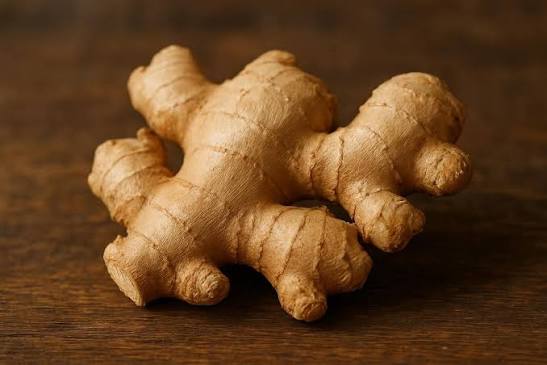
Data from the Ghana Statistical Service’s June inflation report showed that ginger was the biggest price gainer among the top high-inflation items, rising by 102.50% year-on-year.
Shrimps followed with a 90.80% increase, while mangoes rose by 87.20%. Bananas also recorded a strong price increase of 47.80%, with avocado pear rising 43.80%.
Other food items that posted notable increases included fresh coconut, up 39.30%, palm fruits, up 37.80%, rake, up 34.10%, cashew, up 29.20%, and dried fish, locally known as koobi.
The figures show that while headline inflation remains relatively low by recent Ghanaian standards, households continue to face significant price pressures in selected food categories.
The Ghana Statistical Service earlier reported that overall inflation rose to 5.30% in June, from 3.70% in May, with non-food prices contributing the larger share of the increase.
Food inflation, however, also edged up to 3.90% in June, from 3.30% in May, reflecting pockets of pressure in food markets despite falling prices for some staples.
The mixed food inflation trend suggests that Ghana’s price environment is no longer defined by broad-based increases across most food items, but by sharp movements in specific commodities driven by supply, seasonality, transport costs, weather conditions and market-level disruptions.
For consumers, the impact will depend heavily on household consumption patterns. Families that depend frequently on items such as ginger, fish, fruits and selected fresh produce may still experience a meaningful rise in food costs, even though prices of some staples have declined.
At the same time, several common food items recorded significant price reductions, helping to contain the overall food inflation rate.
Kontomire, also known as afefu, posted the largest decline among low-inflation items, falling by 38.00%. Garden eggs declined by 33.10%, while maize dropped by 32.10%.
Millet fell by 23.00%, pawpaw declined by 22.40%, beans dropped by 21.30%, and guinea corn or sorghum declined by 19.30%.
Other items that became cheaper included lime, down 18.30%, foreign apples, down 17.50%, and solid fuels such as firewood, down 16.60%.
The decline in staples such as maize, millet, beans and sorghum is likely to have provided some relief for many households, particularly lower-income consumers who spend a higher share of their income on basic food items.
However, the sharp rise in prices of fish, fruits and other selected food products means the relief is uneven across the consumption basket.
The Ghana Statistical Service also identified the items making the largest contributions to inflation pressures in June.
Bus and trotro fares were the biggest contributor, accounting for 10.50% of inflation pressures, followed by payment for rents at 8.40% and secondary school fees at 7.20%.
Among food-related items, ginger contributed 7.00% to inflation pressures, river fish 6.60%, cooked rice 5.30%, fresh tomatoes 5.20%, yam 5.10%, hotel accommodation 4.90%, and green plantain 3.80%.
The figures suggest that food inflation pressures are interacting with broader cost-of-living factors, including transport, rent and education costs.
For policymakers, the June data presents a more complex inflation challenge.
The decline in some staples suggests that improved supply conditions may be easing pressure in parts of the food market. But the sharp increases in other food items show that inflation risks remain in specific commodity chains.
Fresh produce prices can be particularly sensitive to rainfall patterns, post-harvest losses, transport bottlenecks and market access challenges. Fish prices may also be affected by supply conditions, fuel costs, cold-chain limitations and seasonal availability.
The rise in ginger, shrimps and mangoes may therefore point to supply constraints in selected markets rather than a uniform deterioration in food availability.
Still, the concentration of high inflation in everyday consumption items matters because households respond to the prices they encounter most frequently, not only to the national average.
A headline food inflation rate of 3.90% may appear moderate, but a consumer buying ginger, fish, mangoes, bananas or avocado pear would face a very different reality from one buying maize, garden eggs, kontomire or beans.
This divergence is important for inflation expectations. If households continue to experience sharp increases in visible food items, perceptions of cost-of-living pressure may remain elevated even when headline numbers suggest broader stability.
The latest data also reinforces the need for stronger food supply management, better market intelligence and improved logistics to reduce volatility in perishable items.
Food prices in Ghana are often shaped by the movement of goods from farms and fishing communities to markets. Weak storage, poor roads, high transport costs and weather-related disruptions can quickly affect prices, especially for perishable goods.
The June inflation pattern therefore points to the importance of investing not only in production, but also in aggregation, cold storage, processing, rural roads and market systems.
For consumers, the mixed price picture means relief in some areas and pressure in others.
Cheaper maize, millet, beans and vegetables may help ease basic food spending, but steep increases in ginger, shrimps, mangoes, bananas, fish and selected fruits will continue to stretch household budgets.
The June inflation data therefore tells a more nuanced story than the headline figure alone. Ghana’s broader inflation rate remains well below the levels recorded a year earlier, but pockets of food-price pressure remain intense.
The challenge now is to ensure that falling prices in key staples are sustained while supply constraints in high-pressure food items are addressed before they spread into wider food inflation.
For households, the message is simpler: the food market is easing in some places, but not everywhere. And for many families, the true cost of inflation will continue to be measured not by the national average, but by what happens to the items they buy every week.

