


BoG Urges Responsible Economic Reporting, Warns of Market Impact of Miscontextualised Headlines
The Bank of Ghana (BoG) has called on the media to exercise accuracy, balance and context in reporting on central bank operations, warning that sensational or incomplete coverage can distort market behaviour and weaken public confidence.
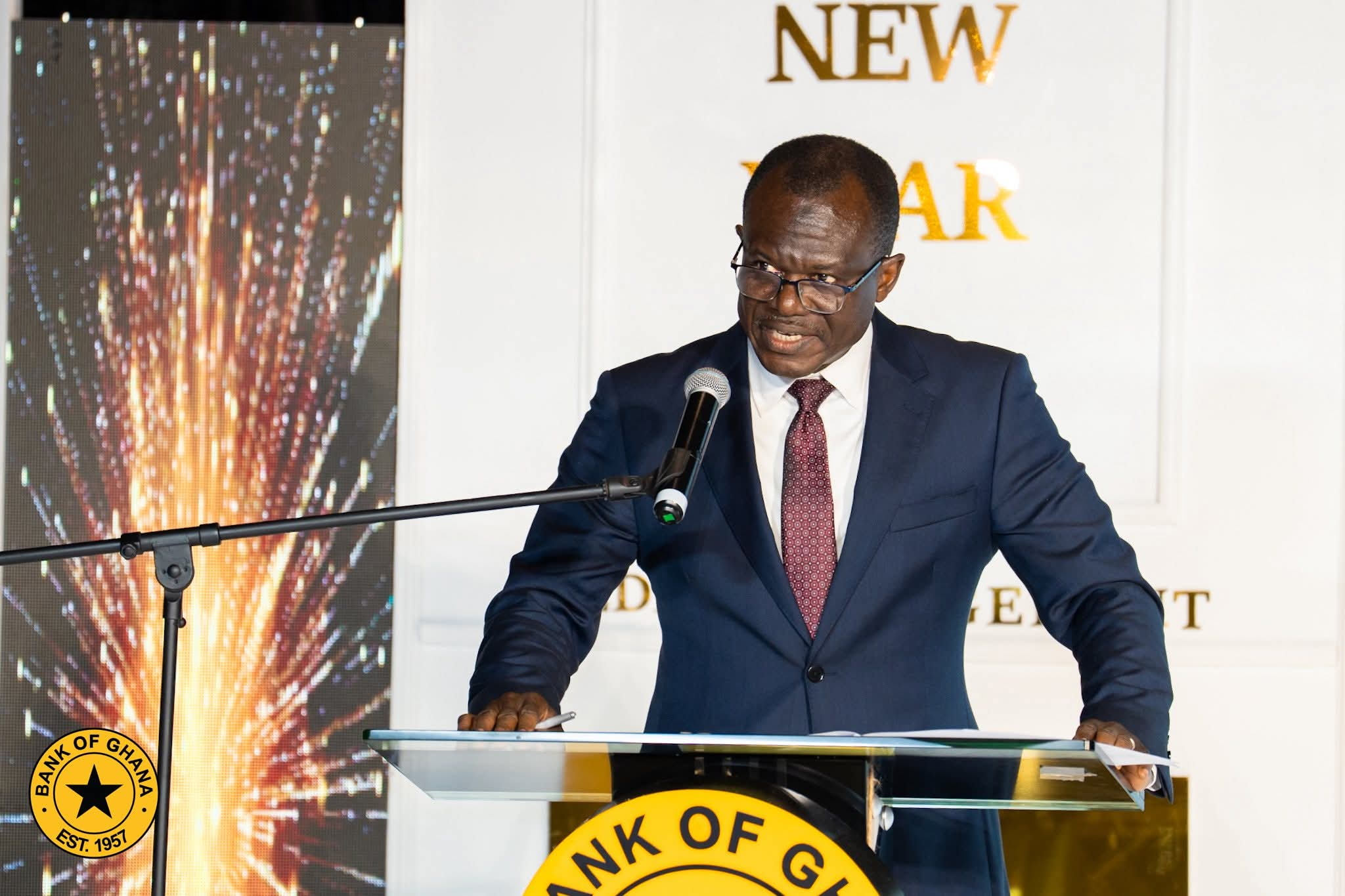
First Deputy Governor, Dr. Zakari Mumuni, made the call at the 2026 Governor’s New Year Media Engagement in Accra, stressing that in modern central banking, communication is no longer peripheral but a core policy tool.
“Central banking is built on trust, and trust is built on communication,” Dr. Mumuni said, noting that media narratives now shape expectations, influence behaviour and, ultimately, move markets.
Context behind policy decisions
Dr. Mumuni said recent monetary and regulatory actions by the BoG must be understood against the backdrop of severe macroeconomic stress, characterised by entrenched inflation, fragile confidence and distorted market signals.
He explained that policy decisions taken during the period were aimed at restoring price stability, safeguarding the financial system and rebuilding trust—outcomes that required discipline and consistent communication, even when the policy stance was unpopular.
According to him, these objectives are not abstract, as they directly affect the real value of wages, the security of savings and the ability of businesses to plan.
Media as a market actor
The First Deputy Governor emphasised that the media is not merely an observer but an indirect participant in economic outcomes, particularly in sensitive markets such as foreign exchange.
He noted that under Ghana’s managed floating exchange rate regime, daily currency movements are normal and do not necessarily signal crisis. However, reporting such movements without context can trigger panic-driven demand, heighten volatility and weaken the cedi purely through sentiment effects.
“When reporting is measured and contextual, calm is reinforced and markets function more efficiently,” he said.
Currency stability a shared responsibility
Dr. Mumuni pointed out that currency stability delivers tangible benefits, including more predictable import prices, moderated transport costs and improved planning certainty for businesses and households.
He said the cedi’s stronger performance in 2025 reflected improved economic fundamentals, policy discipline and rising confidence, describing the outcome as a “shared national gain” rather than a central bank victory alone.
He also commended media support during the Cedi@60 campaign, noting that responsible coverage helped translate policy into public action.
Central bank losses require explanation
On reports about central bank losses, Dr. Mumuni cautioned that such figures must be properly contextualised, explaining that central banks globally can record losses during periods of crisis while acting decisively in the public interest.
He warned that failure to explain this distinction could erode public trust, even when underlying policy outcomes—such as falling inflation, stronger reserves and a stabilising currency—remain positive.
Call for balanced reporting
Dr. Mumuni concluded by urging journalists to recognise the power of headlines and analysis in shaping expectations, stressing that responsible economic reporting supports national stability and long-term growth.
“The question is not whether the media should report on the Bank of Ghana, but how,” he said, adding that trust, once damaged, is difficult to rebuild

