

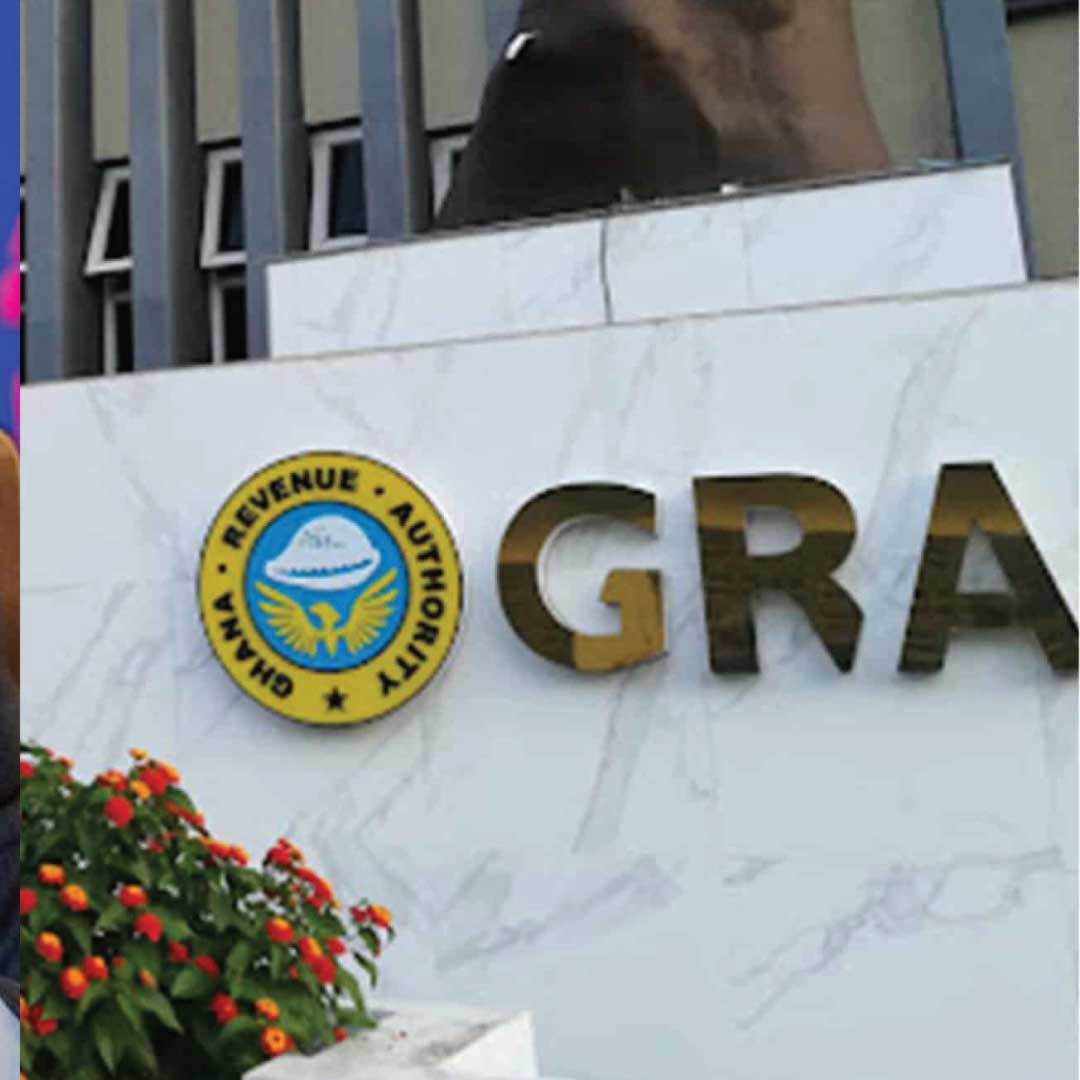

GRA Steps Up Domestic Revenue Drive Ahead of Ghana’s Exit from IMF Programme
The Ghana Revenue Authority (GRA) says it is accelerating domestic revenue mobilisation efforts in line with measures outlined in the 2026 Budget, as Ghana prepares to transition out of its IMF programme next year.
Acting Head of Strategy and Research at the Authority, Dominic Naab, said the GRA has deployed a series of compliance and administrative reforms aimed at boosting tax efficiency and securing a more dependable revenue base to support government’s development priorities.
Speaking on the sidelines of the Media Foundation for West Africa’s Tax Dialogue, Mr Naab highlighted the rollout of the E-VAT system as one of the key interventions.
“We have instituted a lot of measures. If you look at the budget that was read for example, you have the E-VAT that is using electronic means to generate VAT invoices. That will help GRA to monitor real time what is happening. It means therefore that if we are able to do it very well, we are likely to make so much revenue,” he said.
He added that the Finance Minister’s announcement of artificial intelligence tools for port operations is expected to help identify compliance gaps and correct declaration defects that undermine revenue performance.
“It is our hope that when these measures are put in place, we should be able to raise the revenue to help us develop our country. We are also aware there is fatigue internationally so we can’t get revenue from anywhere, so we just need to generate revenue here. Truth of the matter is that there are people really making income but because they are not in our radar, we don’t get to tax them,” he noted.
With Ghana approaching the end of its IMF-backed programme, tax specialists say the success of these domestic revenue measures will be critical in shaping the country’s fiscal stability beyond 2026.

