

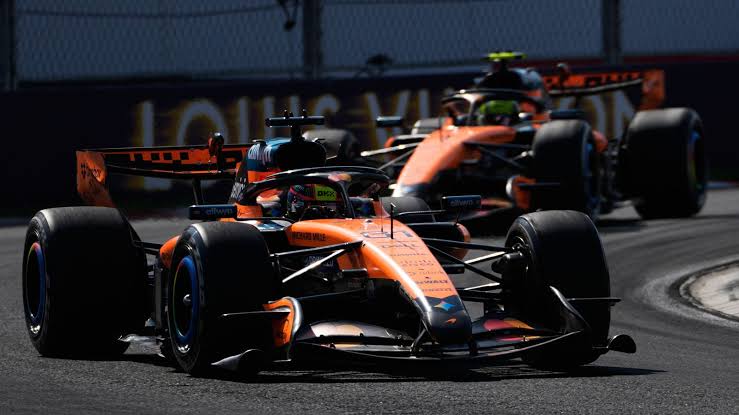

- Formula 1 Tops Global Dehydration Ranking as Drivers Lose Nearly 3 Litres Per Race
Formula 1 has emerged as the most dehydrating sport in a new study examining how much fluid athletes lose during competition and how much they are realistically able to replace before the event ends.
The August 2026 research by Instant Hydration compared major sports using average session duration, sweat rates, total fluid loss and the volume athletes can consume while competing.
Formula 1 ranked first because drivers are estimated to lose 2.99 litres of fluid during an average 95-minute Grand Prix while consuming only about 0.50 litres during the race.
That leaves an estimated fluid deficit of 2.50 litres, with drivers requiring approximately 3.80 litres of post-exercise fluid intake to fully recover, according to the study.
The figures illustrate why hydration is a significant performance issue in motorsport, where drivers can compete in extremely hot cockpit environments while simultaneously managing intense physical and mental demands.
Instant Hydration said Formula 1 cockpit temperatures can exceed 50°C, contributing to high sweat rates even though drivers remain seated throughout the race.
The difficulty is that the opportunity to drink during competition is limited.
Unlike athletes in some other sports, Formula 1 drivers cannot simply stop and consume large volumes of fluid whenever they feel thirsty. That leaves them with a substantial gap between what they lose and what they replace while racing.
The study estimates the average Formula 1 sweat rate at 1.89 litres per hour.
That is slightly lower than the 2.00 litres per hour recorded for tennis and the 1.99 litres per hour recorded for rugby, but F1 still ranked highest because of the restricted ability of drivers to replace fluid during competition.
Rugby ranked second.
The study estimates that players lose around 3.32 litres over an average 100-minute session while consuming only 0.60 litres, leaving a deficit of approximately 2.70 litres.
Recommended post-exercise fluid intake was put at 4.10 litres, the highest among the sports examined.
The accompanying analysis noted that rugby players generally have fewer opportunities to hydrate during active play, increasing the likelihood that they finish matches with significant fluid deficits.
Tennis ranked third despite recording the highest average sweat rate in the study.
Players were estimated to lose 3.67 litres during an average 110-minute session at a sweat rate of 2.00 litres per hour.
However, regular changeovers give tennis players more opportunities to drink than Formula 1 drivers or rugby players.
The research estimates that players consume around 1.70 litres during competition, leaving a 2.00-litre deficit and requiring roughly 3.00 litres of post-match fluid intake.
Road cycling ranked fourth but recorded the greatest total fluid loss.
Cyclists were estimated to lose 5.12 litres during an average four-hour road race, significantly more than any other sport in the ranking.
Their average sweat rate was lower at 1.28 litres per hour, but the duration of competition resulted in the highest cumulative loss.
Cyclists, however, can drink relatively frequently with support from team cars and bottles carried on bicycles.
The study estimates that they consume around 3.00 litres while racing, reducing the remaining fluid deficit to 2.10 litres and requiring approximately 3.20 litres after the event.
Lacrosse completed the top five.
Players were estimated to lose 2.64 litres over 90 minutes while consuming approximately 0.80 litres, leaving a deficit of about 1.90 litres.
Recommended post-exercise intake was estimated at 2.80 litres.
Marathon running, Olympic-distance triathlon, mountain biking, ice hockey and cricket completed the top 10.
Marathon runners were estimated to lose 4.28 litres during an average 270-minute event while consuming approximately 2.50 litres, leaving a deficit of 1.80 litres.
Olympic-distance triathletes were estimated to lose 3.90 litres over three hours and consume 2.10 litres, also leaving a 1.80-litre deficit.
Mountain bikers recorded estimated losses of 2.64 litres, with a remaining deficit of 1.60 litres, while ice hockey players lost around 3.50 litres and finished with a 1.80-litre gap.
Cricketers were estimated to lose 3.85 litres over an average 210-minute session and consume approximately 2.10 litres, leaving a 1.80-litre deficit.
The research suggests that the most dehydrating sports are not necessarily those in which athletes lose the greatest absolute amount of fluid.
Instead, the decisive factor is the relationship between sweat loss and the opportunity to replace fluid during competition.
That distinction explains why road cycling, despite having the highest total fluid loss, ranks below Formula 1 and rugby.
Athletes in sports with frequent access to drinks can replace a larger share of lost fluid before competition ends.
A wellness expert from Instant Hydration said athletes should avoid relying exclusively on thirst as an indicator of hydration needs because thirst may emerge only after a deficit has already developed.
The expert recommended consuming the majority of daily fluids earlier in the day and using urine colour as a practical indicator of hydration status, with darker-than-pale-yellow urine suggesting that greater fluid intake may be needed before exercise.
The study ultimately highlights hydration as both a performance and recovery issue.
In sports where concentration, reaction time, muscular output and endurance are critical, significant fluid deficits can create an additional physiological challenge before an athlete even reaches the finish line.
For Formula 1 drivers in particular, the combination of extreme cockpit temperatures, long race duration and limited drinking opportunities places hydration management among the less visible but important demands of elite motorsport.
Source: Instant Hydration, August 2026 research on dehydration across major sports.

