
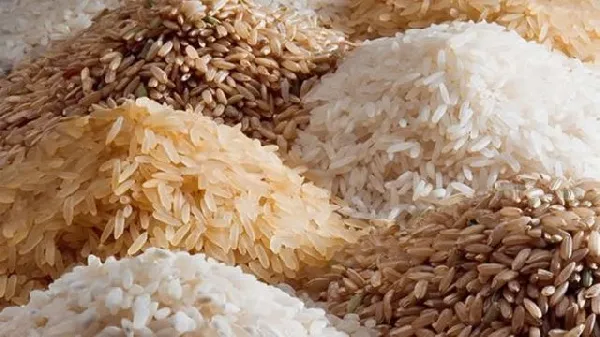

Chamber of Agribusiness Ghana Calls for Urgent Policy Action to Stabilise Domestic Rice Market
The Chamber of Agribusiness Ghana (CAG) has called for urgent policy interventions to stabilise the domestic rice market as thousands of farmers struggle to sell their paddy following the recent harvest season.
In a media statement issued on March 11, 2026, the Chamber warned that weak market absorption and continued competition from imports are placing severe financial pressure on local producers, particularly in key rice-growing regions such as Northern and Volta.
The call comes on the back of recent international trade financing developments involving global agribusiness firm Olam Agri, which secured a US$100 million seven-year financing facility from the Dutch development bank FMO to strengthen rice trade flows from Asia to African markets.
According to the Chamber, while such financing initiatives are aimed at improving food supply stability across the continent, they also risk deepening Ghana’s dependence on imported rice if deliberate policies are not introduced to support domestic production.
“Thousands of local rice farmers are currently unable to sell their paddy due to weak market absorption and continued import competition,” the statement noted, stressing the need for balanced food security policies that support local production while managing strategic imports.
Immediate interventions proposed
The Chamber is urging the government and the Ministry of Food and Agriculture to implement a set of immediate measures to stabilise the rice market and protect farmer livelihoods.
Key among the proposals is the procurement of excess paddy rice by the National Food Buffer Stock Company to help stabilise farm-gate prices while strengthening national food reserves.
It also called for government institutions including the Ghana School Feeding Programme, the Ghana Armed Forces and the Ghana Prisons Service to prioritise the purchase of locally produced rice through binding procurement guidelines.
Additionally, the Chamber is advocating the introduction of seasonal import management measures during peak harvest periods. These may include import windows, strategic tariffs and port monitoring to be implemented by the Ghana Revenue Authority to prevent imported rice from undermining domestic markets.
Support for farmers and mills
The Chamber also called for temporary credit relief for farmers and millers to ease financial pressures in the sector.
It proposed loan restructuring through the Agricultural Development Bank and milling subsidy support to enable local processors to absorb excess paddy stocks within the next three to six months.
Long-term reforms
Beyond short-term interventions, the Chamber outlined several structural reforms aimed at strengthening the competitiveness of Ghana’s rice industry.
These include expanding irrigation systems through the Ghana Irrigation Development Authority, investing in modern rice milling and processing infrastructure, and strengthening quality certification through the Ghana Standards Authority.
The Chamber also called for the development of structured rice trading through the Ghana Commodity Exchange and the launch of a nationwide “Buy Ghana Rice” campaign to boost consumer confidence in locally produced rice.
Strategic partnerships
CAG further indicated that global agribusiness companies can play a constructive role in developing Ghana’s rice value chain through investments in local procurement, processing facilities and smallholder out-grower schemes.
The Chamber emphasised that strengthening domestic agricultural production systems remains critical to Ghana’s long-term food security, particularly as the country seeks to leverage opportunities under the African Continental Free Trade Area.
Chief Executive Officer of the Chamber, Anthony Kofituo Morrison, noted that a coordinated national response is needed to protect rice farmers, stabilise markets and build a competitive local rice industry capable of serving both domestic and regional markets.

