


Burkina Faso Tomato Ban Presents Opportunity for Ghana’s Agricultural Transformation – PFAG
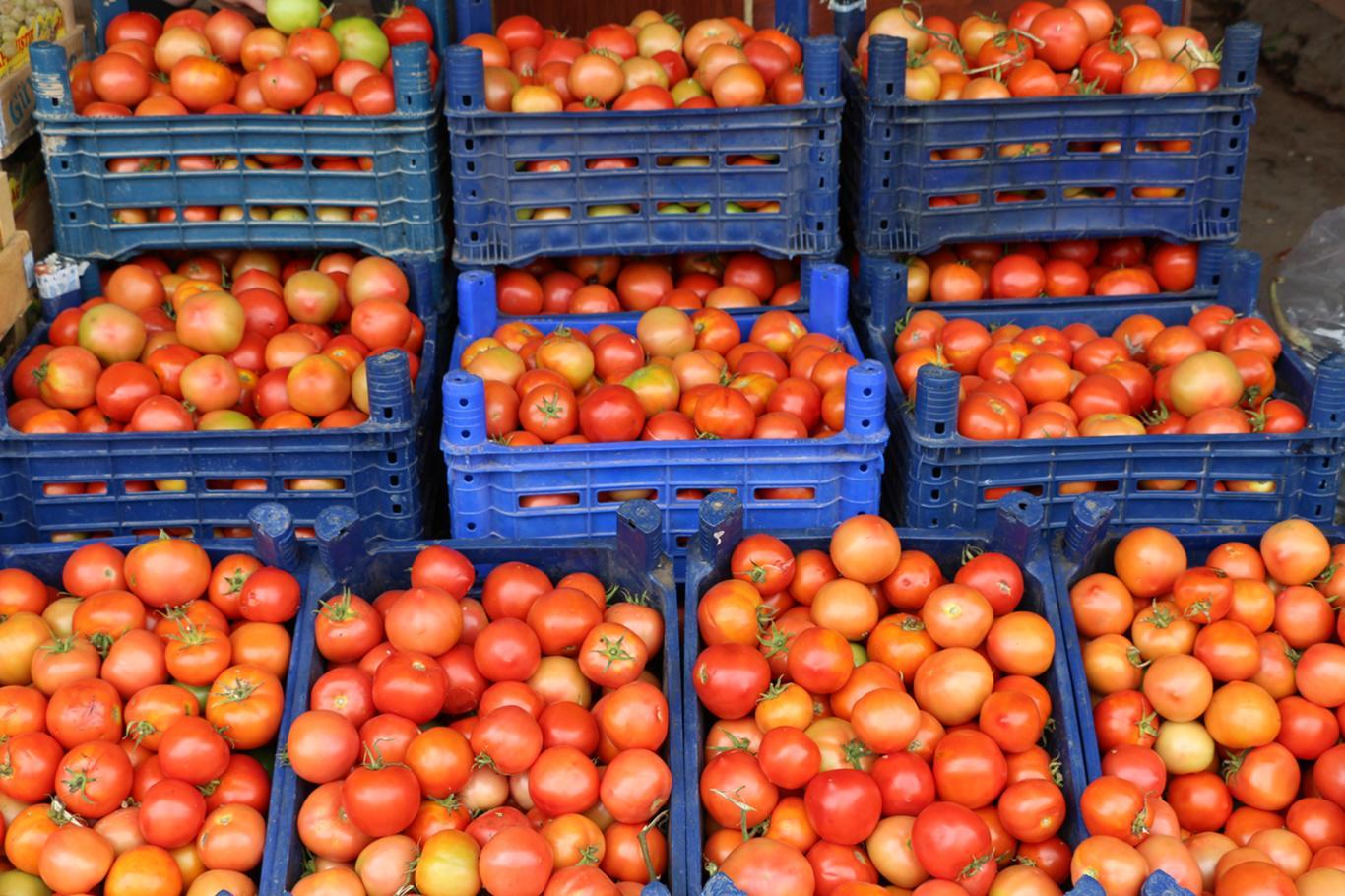
The Peasant Farmers Association of Ghana (PFAG) has described Burkina Faso’s ban on tomato exports to Ghana as a potential catalyst for strengthening domestic production, urging government to take immediate and coordinated action to avert a looming food security crisis.
In a press statement issued on March 24, 2026, the Association noted that while government’s engagement with Burkinabe authorities is appropriate, the development presents an opportunity to implement home-grown strategies to boost local tomato production and reduce import dependence.
PFAG warned that failure to act decisively could result in acute tomato shortages, triggering significant price hikes, inflationary pressures, and a broader food security challenge.
The Association highlighted longstanding structural constraints within Ghana’s tomato value chain, including overreliance on rain-fed agriculture, high input costs, weak market linkages, and substantial post-harvest losses. These challenges, it said, continue to undermine productivity despite years of public investment in the sector.
It further noted that rising global energy and input costs—driven by ongoing geopolitical tensions—are likely to worsen production conditions for farmers. This comes at a time when many producers are already grappling with market gluts in other staple crops such as maize, rice, cassava, and pepper, dampening incentives to scale up output.
“The agricultural sector is on the brink of a heightened food security crisis, and the sooner we act pragmatically, the better,” PFAG cautioned.
To address the situation, the Association outlined a three-tiered strategy spanning the short, medium, and long term.
In the immediate term, PFAG is calling for targeted support to tomato farmers, particularly those operating within irrigation schemes, through the provision of improved seeds, fertilizers, and mechanisation services. It also urged government to develop an emergency response plan in collaboration with key stakeholders to mitigate potential supply disruptions.
Over the medium term, the Association is advocating the establishment of additional land banks, expansion of irrigated farming areas, and improved market systems through investments in storage infrastructure and logistics to reduce post-harvest losses and enhance distribution efficiency.
For the long term, PFAG is pushing for a significant scale-up in irrigation infrastructure, including the construction of at least one major irrigation dam in each region, with a target of increasing irrigable land from 10% to over 50% by 2028. It also called for the rehabilitation and operationalisation of tomato processing facilities to absorb excess production and stabilise prices.
Additionally, the Association urged government to adopt a more targeted approach to supporting key staple value chains such as rice, maize, cassava, onion, and tomato, backed by dedicated financing, monitoring, and accountability mechanisms.
PFAG reaffirmed its readiness to collaborate with government to enhance agricultural productivity and improve national food security outcomes, stressing that urgent and decisive action is required to prevent a full-blown crisis.

