

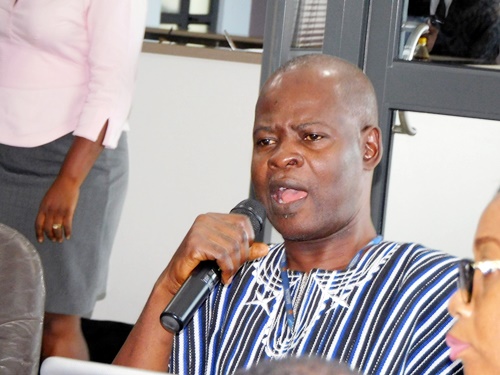

BoG’s Reported $214m Loss Masks Broader Macro Gains From Gold Purchase Programme – Dr. Steve Manteaw
Natural resource governance expert, Dr. Steve Manteaw, has challenged the dominant narrative surrounding the Bank of Ghana’s (BoG) reported US$214 million loss under its domestic gold purchase programme, arguing that the headline figure obscures far-reaching macroeconomic gains to the Ghanaian economy.
In a commentary on the subject, Dr. Manteaw contends that the reported loss must be assessed in the context of the programme’s broader objectives and outcomes, particularly its role in curbing gold smuggling, boosting foreign exchange inflows, and stabilising the cedi.
He explained that the loss was largely anticipated, as GoldBod, acting on behalf of the central bank, was deliberately instructed to purchase gold from miners at zero discount.
“I have always known that the Bank of Ghana was incurring losses. This is because GoldBod, which was procuring the gold on behalf of BoG, was made to buy at no discount,” he noted.
Dr. Manteaw likened the arrangement to a trader buying goods at the same price they are sold, with inevitable losses arising from operational costs such as transportation, staff remuneration, and utilities.
“These are similar to the costs BoG, for good reasons, decided to absorb, leading to the reported losses,” he stated.
According to him, the zero-discount policy was a deliberate anti-smuggling strategy, designed to make official channels more attractive to small-scale miners.
“The unprecedented rise in domestic gold purchases suggests that miners find it attractive to sell their gold at zero percent discount to the GoldBod,” he explained.
He argued that the policy has yielded significant benefits for the state, most notably in helping the central bank build record levels of gold reserves.
“This has helped BoG to build unprecedented volumes of gold reserves, the export proceeds of which are used to shore up our local currency,” Dr. Manteaw said.
He noted that Ghana has earned over US$10 billion from gold exports under the programme, dwarfing the reported US$214 million loss, which represents less than three per cent of total foreign exchange inflows from gold exports.
“The net benefit of the reported losses from the domestic gold trade is the over US$10 billion earned from gold exports, which is doing magic to the entire Ghanaian economy,” he stressed.
Dr. Manteaw further pointed to sustained foreign exchange stability since the inception of the GoldBod programme, noting that it has fed into a broader improvement in macroeconomic indicators, including inflation and interest rates.
“Fuel prices are coming down and easing the pressure on the budgets of motorists. If drivers were to respond with a corresponding reduction in fares, food prices will come down, and living conditions will improve,” he added.
He contrasted the gold purchase losses with BoG’s broader financial performance, citing the GH¢9.49 billion operating loss recorded in 2024, following a GH¢13.23 billion loss in 2023, which he argued delivered “almost no economy-wide positive impact”.
Sustaining the gains
While acknowledging concerns likely to be raised by the International Monetary Fund (IMF), Dr. Manteaw cautioned against an overreliance on commodity exports to support the currency, particularly during periods of global price volatility.
“Reliance on commodity exports to support the local currency can be risky, especially during periods of global price decline,” he said.
To consolidate recent gains, he urged the government to channel part of the current foreign exchange windfall into boosting domestic production to reduce import dependence.
“It is imperative to use part of the current windfall to support domestic production in order to reduce demand for forex,” he noted, referencing the import substitution strategies pursued under the administrations of Kwame Nkrumah and Ignatius Acheampong.
He also called for renewed investment in food production to cut food imports, as well as a deliberate push to diversify exports beyond traditional commodities into finished and semi-processed goods.
Dr. Manteaw concluded by urging Ghana to critically assess IMF prescriptions, arguing that not all external advice necessarily aligns with national interests.
“We will take their advice, but let’s blend it with our own ideas,” he said, adding that resource-rich countries such as Saudi Arabia and the United Arab Emirates stabilise their currencies through export earnings from oil, not manufactured consumer goods.
“After all, the Saudis and the Emiratis do not shore up their currencies with chocolate but with dollars earned from their oil exports,” he remarked.

