


Attempts to Downplay IMF $214m Gold for Reserves Loss Unconvincing – Prof Asuming
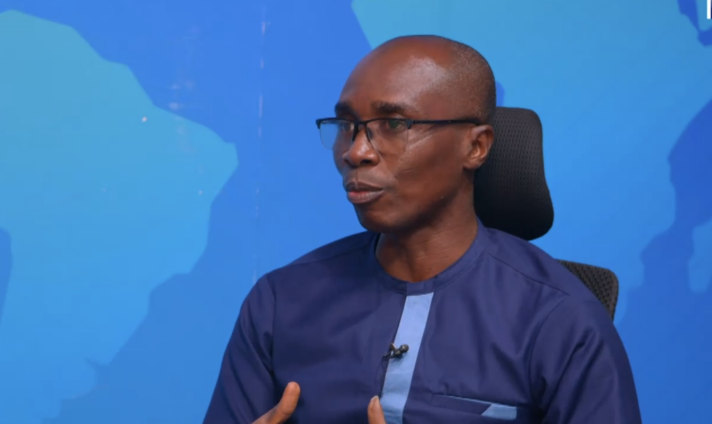
Economist and University of Ghana lecturer, Professor Patrick Asuming, has questioned efforts by state institutions to downplay the International Monetary Fund’s (IMF) assessment that Ghana recorded a $214 million loss under the Gold for Reserves Programme, insisting the information originated from the government itself.
Speaking in an interview, Prof Asuming said the IMF was explicit in its classification of the $214 million as a loss and that the Fund does not generate such figures independently.
“The IMF was absolutely clear on the $214 million and described it as a loss. The IMF does not make up this information. It is the government of Ghana that reports these figures to the IMF,” he said.
His comments come amid a growing political dispute over the performance of the Gold for Reserves Programme, following claims by the Minority Caucus in Parliament that the Ghana Gold Board incurred a $214 million loss from gold trading activities. The Majority Caucus has since rejected the assertion, arguing that the figures have been misinterpreted and should not be characterised as a loss.
However, Prof Asuming maintained that once government submits financial data under an IMF-supported programme, it should expect the Fund to analyse and publish its findings.
“The government of Ghana would have been aware that this information was going to be published. So to turn around and try to re-categorise whether it is a loss or not is somewhat surprising,” he noted.
He explained that the IMF’s primary concern is not the suspension of the Gold for Reserves Programme, but the risk of any associated losses being borne by the Bank of Ghana, which could undermine the central bank’s operational capacity.
“The IMF concern is that the loss should not be on the books of the central bank because it affects its operational capacity,” Prof Asuming said, adding that the Fund has not called for the programme to be halted.
Responding to arguments that the loss should only be confirmed after audits by the Ghana Gold Board, Prof Asuming dismissed the position, noting that IMF programme reporting is done at varying intervals.
“Some information is reported monthly, some quarterly, half-yearly or yearly. If the government has reported this and the IMF has analysed it, I don’t think the response should be denial,” he said.
While acknowledging that the Gold for Reserves Programme has contributed to boosting Ghana’s foreign reserves and delivered some positive outcomes, Prof Asuming urged authorities to engage the IMF’s concerns constructively and focus on addressing the cost implications.
“They are simply flagging that these costs should not be pushed onto the central bank. We should accept it in good faith and find ways to minimise the loss,” he added.
The Gold for Reserves Programme was introduced by the Bank of Ghana to bolster foreign exchange reserves, stabilise the cedi and reduce reliance on the foreign exchange market, particularly under Ghana’s ongoing IMF-supported economic recovery programme.

