

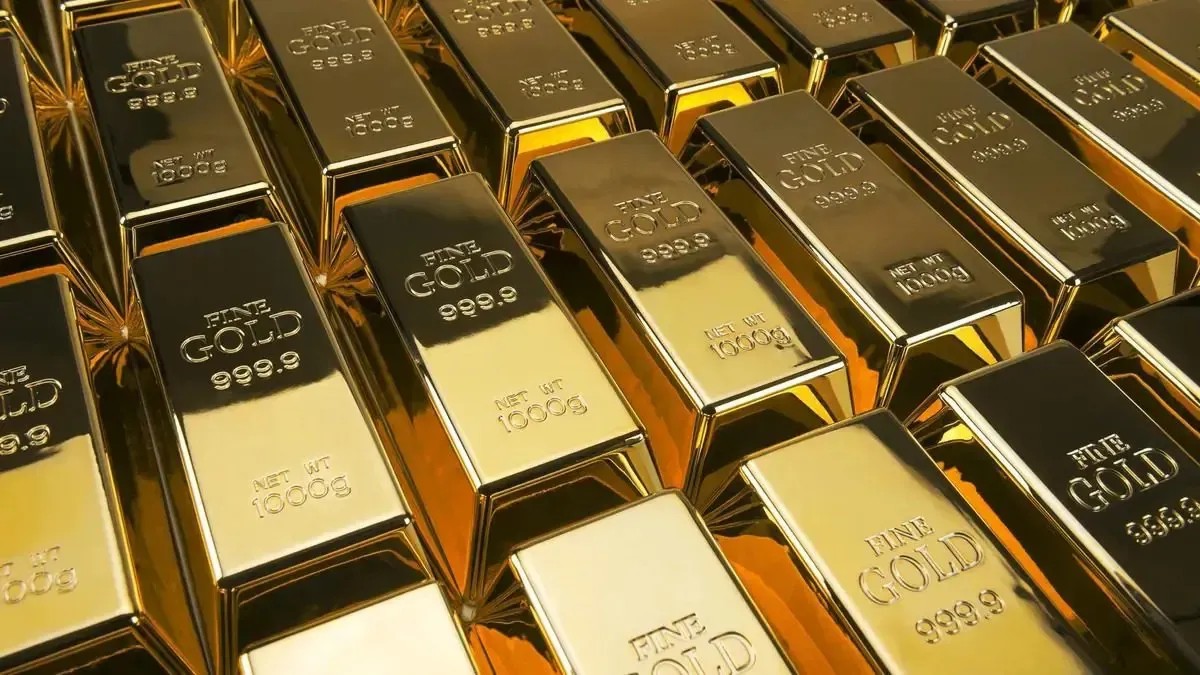

Gold price heads for first weekly gain since Iran war
Gold staged a recovery, putting it on track for its first weekly gain since the US-Israeli war in Iran began, as bargain-buying accelerated after recent price declines.
The metal rose as much as much as 4.1% to top $4,550 an ounce Friday, clawing back the previous session’s loss. Gold had tumbled in recent weeks as the conflict sent oil prices soaring, stoking concern that the Federal Reserve would hike rates to tame inflation. That’s a headwind for non-yielding bullion.
Despite Friday’s gains, bearish pressures remain for gold as doubts grow over any potential for a ceasefire. The US and Israel bombed Iranian nuclear and steel facilities, while Iran retaliated across the Persian Gulf, causing markets to sink and oil prices to rise. The escalation came after Trump pledged to refrain from attacks on the Islamic Republic’s energy sites for a further 10 days, offering a slight respite for gold.
Since the war began on Feb. 28, gold has fallen nearly 15%, moving largely in tandem with stocks and in an inverse relationship with oil. Bullion is “trading as a risk asset,” TD securities analysts wrote in a note Friday.

Adding further downward pressure, Turkey’s central bank sold and swapped about 60 tons of gold over two weeks – worth more than $8 billion. Elevated central-bank buying had been a pillar of bullion’s rally over the last couple of years. If more monetary institutions follow Turkey’s example, it would slow the overall pace of purchases and call into question long-term assumptions that central banks are loath to sell gold.
“This conflict happens to result in pretty significant economic damage for Middle Eastern nations, who have been some of the participants participating in the official sector gold purchases,” said Daniel Ghali, senior commodity strategist at TD Securities. “We expect that, while Turkey grabbed the headlines, this is probably a more prevalent trend across energy-import nations.”

The economic shock from the war in Iran will likely dent demand for bullion from some central banks while forcing others to sell from gold reserves to meet dollar-denominated obligations, Ghali said.
The Strait of Hormuz — through which about a fifth of the world’s oil and gas, along with vast amounts of food, metals and other materials are shipped every day — remains largely closed to traffic as the war nears the one-month mark.
Spot gold rose 3.2% to $4,515.26 per ounce at 3:58 p.m. New York time. Silver rose 2.7% to almost $70. Platinum and palladium also gained. The Bloomberg Dollar Spot Index rose 0.2% after ending the previous session up 0.4%.

