


- GHIB Secures AfDB Backing to Support Importers, Exporters and African Banks
Ghana International Bank Plc has signed a Confirming Bank Agreement with the African Development Bank Group under the AfDB’s Transaction Guarantee Instrument, in a move expected to deepen support for African trade finance, cross-border commerce and private sector growth.
The agreement, signed in Abidjan, Côte d’Ivoire, marks an important milestone in GHIB’s strategy to expand its role in financing African trade and strengthening links between African markets and global capital.
The facility is expected to enhance GHIB’s capacity to support importers, exporters and financial institutions engaged in cross-border trade across Africa and beyond.
It also reinforces the bank’s positioning as a UK-regulated African financial institution with deep links to Ghana, Africa and international correspondent banking markets.
According to GHIB, the agreement will help businesses access international markets, strengthen supply chains and contribute to sustainable economic growth.
The bank said its inclusion among financial institutions approved under the AfDB’s eligibility criteria reinforces its standing as a trusted partner in facilitating cross-border trade and finance across the continent.
The partnership comes at a time when Africa continues to face a significant trade finance gap, limiting the ability of businesses to import inputs, export goods, expand supply chains and participate more fully in intra-African trade.
Trade finance remains one of the biggest constraints on African commerce.
Many local banks face limits in confirming letters of credit, supporting import-export transactions or providing guarantees acceptable to international counterparties.
This often raises transaction costs, delays trade flows and prevents businesses from taking advantage of opportunities in regional and global markets.
The AfDB’s Transaction Guarantee Instrument is designed to reduce such constraints by supporting trade finance transactions and strengthening the capacity of approved financial institutions to confirm transactions for African banks and businesses.
For GHIB, the agreement provides a platform to increase support to businesses and financial institutions involved in trade across Africa, particularly in markets where access to international confirming banks remains limited.
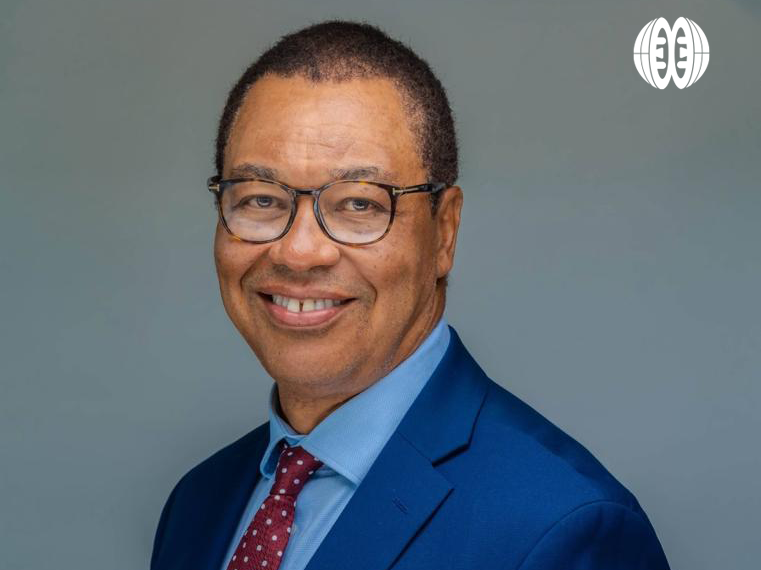
Ian Greenstreet, Chief Executive Officer of Ghana International Bank, described the agreement as a major milestone for the bank and its clients.
“This agreement with the African Development Bank represents a significant milestone for Ghana International Bank and our clients. It strengthens our ability to support businesses engaged in international trade and reinforces our commitment to facilitating economic growth and investment across Africa,” he said.
He added that GHIB’s regulatory status and market positioning place it in a unique role within the African trade finance ecosystem.
“As a UK-regulated bank with deep roots in Africa and strong international connections, GHIB is uniquely positioned to serve as a bridge between African markets and global capital. We are delighted to partner with the African Development Bank in support of increased trade, investment and economic opportunity across the continent,” Mr Greenstreet said.
His comments reflect the bank’s broader ambition to serve as a bridge between African commercial opportunities and global financing networks.
GHIB is authorised by the Prudential Regulation Authority and regulated by the Financial Conduct Authority and the PRA in the United Kingdom. Its registered office is in London, placing it within one of the world’s leading financial centres while maintaining a strategic African focus.
That positioning gives the bank a distinctive role in trade finance.
It can support African financial institutions and businesses that require international banking links, while also serving clients seeking to transact between Africa, the United Kingdom and other global markets.
The AfDB also welcomed the agreement, stressing its importance to low-income countries and transition states.
Solomon Quaynor, Vice President for Private Sector, Infrastructure and Industrialisation at the African Development Bank Group, said the partnership would help strengthen trade flows across Africa.
“AfDB is delighted to partner with GHIB to support trade across Africa, especially in low-income countries and transition states such as Sierra Leone, The Gambia, Guinea and Liberia among others,” he said.
“GHIB’s strength in providing confirming bank support to local banks in these and other African countries is perfectly aligned with AfDB’s mandate of promoting regional integration.”
Mr Quaynor said the agreement aligns with AfDB’s strategic objective of reducing Africa’s trade finance gap, particularly as implementation of the African Continental Free Trade Area gathers momentum.
“With the increasing implementation of the Africa Continental Free Trade Agreement, AfDB has the strategic objective of reducing Africa’s trade finance gap by enhancing the confirming bank capacity of African financial institutions such as GHIB for them to play an even bigger role in promoting intra-Africa trade. We look forward to building a broader and stronger partnership with GHIB,” he said.
The reference to AfCFTA is significant.
The continental free trade area is intended to create a single African market, deepen regional value chains and expand trade among African countries.
But for AfCFTA to deliver its full potential, businesses need access to reliable finance, payment systems, guarantees and risk-sharing instruments.
Without adequate trade finance, African firms may struggle to scale exports, source inputs, fulfil regional orders or compete in cross-border markets.
This makes the GHIB-AfDB agreement more than a banking partnership.
It forms part of the wider financial infrastructure needed to support intra-African trade and industrialisation.
By enhancing GHIB’s confirming bank capacity, the agreement could help local banks in African countries process more trade transactions, support SMEs and corporates, and reduce the risk perception often attached to African trade deals.
It could also support exporters and importers in sectors such as agriculture, manufacturing, consumer goods, energy, logistics and industrial inputs.
For low-income and transition economies, the potential impact may be particularly important.
These countries often face higher risk premiums, weaker correspondent banking links and limited access to international trade finance.
AfDB’s backing can help reduce some of those constraints by providing comfort to confirming banks and strengthening confidence in transactions originated by local banks.
The agreement is also expected to expand access to trade finance, increase support for cross-border transactions and further strengthen GHIB’s role as a trusted banking partner for businesses operating across Africa and international markets.
GHIB has long supported trade, investment and financial flows between Africa, the United Kingdom and the wider international community.
The bank serves financial institutions, parastatals, corporates, small and medium-sized enterprises and members of the Ghanaian and African diaspora.
Trade finance remains its core business, complemented by correspondent banking, corporate banking, treasury, retail and business banking services.
The bank says this integrated offering enables it to deliver tailored financing solutions that support trade in Africa and foster sustainable growth for clients and markets.
The signing of the agreement therefore strengthens GHIB’s strategic direction at a time when African economies are seeking more resilient financing channels for trade and investment.
The continent’s trade finance gap has long constrained growth, especially for small and medium-sized businesses that lack the collateral, international relationships or credit lines needed to trade across borders.
By partnering with AfDB, GHIB is positioning itself to help close part of that gap.
The success of the arrangement will depend on how effectively it translates into actual transaction support for African banks and businesses.
If well implemented, the agreement could help lower barriers to trade, improve access to international markets and support the wider ambitions of AfCFTA.
For Ghanaian and African businesses, the deal provides another signal that development finance institutions and commercial banks are increasingly aligning around trade as a driver of growth.
For GHIB, it strengthens the bank’s relevance in the Africa-international markets corridor.
For AfDB, it adds another institutional partner to its effort to expand trade finance, support private sector development and promote regional integration.
The agreement comes at a critical moment for Africa.
The continent is seeking to industrialise, increase intra-African trade and reduce dependence on raw commodity exports.
Achieving that ambition will require not only policy reforms and infrastructure investment, but also deeper trade finance capacity.
The GHIB-AfDB partnership is one step in that direction.

