

- Ghana Set to Receive Final $318m From IMF After July Board Approval
Ghana is expected to receive the final $318 million disbursement under its International Monetary Fund programme immediately after the Fund’s Executive Board approves the country’s sixth and final review in July.
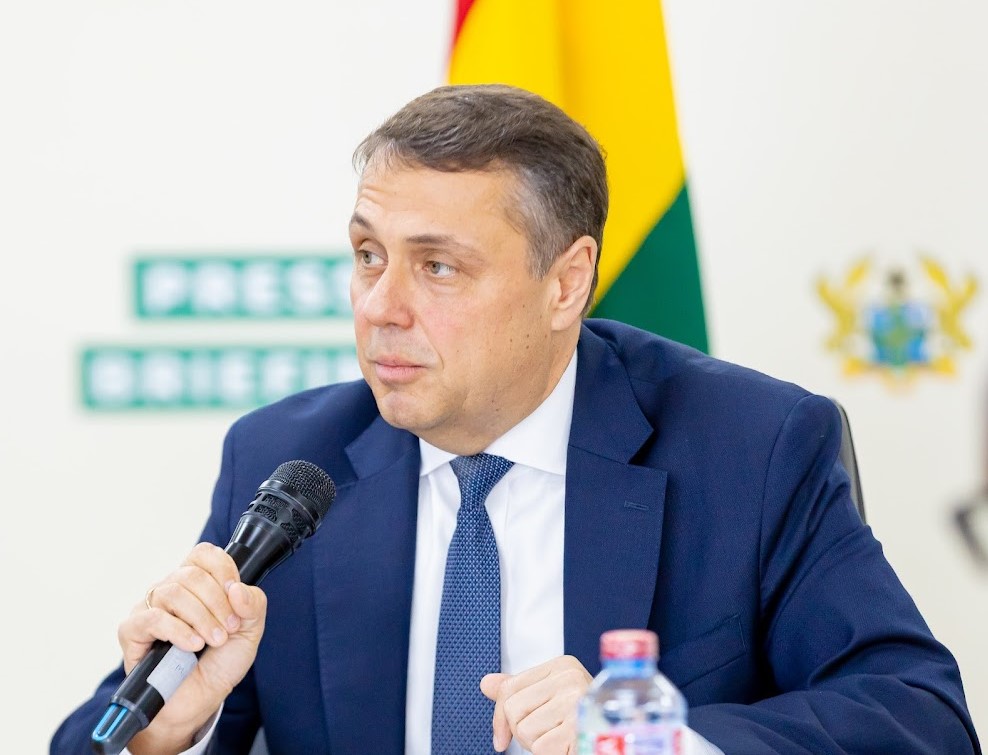
IMF Mission Chief for Ghana, Dr Ruben Atoyan, said the funds would be released shortly after the Board meeting scheduled for July 27, 2026, provided the review secures approval.
“As soon as the board approves Ghana’s final programme, the next day, I will move to sign the payslip for the funds to be released,” Dr Atoyan said on JoyNews’ PM Express Business Edition.
The expected disbursement marks the closing phase of Ghana’s three-year Extended Credit Facility arrangement, which was approved by the IMF Executive Board in May 2023 at the height of the country’s economic crisis.
The programme was designed to restore macroeconomic stability after Ghana was pushed into debt distress, high inflation, sharp currency depreciation and loss of access to international capital markets.
Since signing on to the programme, Ghana has received about $2.8 billion in IMF support. If the final review is approved and the last tranche is released, total disbursements under the programme will rise to about $3.2 billion.
Dr. Atoyan clarified that Ghana’s ECF programme has not officially ended, despite the recent staff-level agreement reached in Accra. He said what happened at the end of the IMF mission was an agreement between staff and Ghanaian authorities on the policies needed to complete the review, with final approval still resting with the Executive Board.
The IMF team visited Accra from April 29 to May 15 to discuss the 2026 Article IV consultation, the sixth and final ECF review, and Ghana’s request for a new non-financing Policy Coordination Instrument.
At the end of the mission, the Fund said Ghana’s programme had delivered “substantial stabilisation gains,” including sharply lower inflation, stronger external buffers, improved confidence in the cedi and significant progress in public debt restructuring.
The current programme has differed from earlier IMF arrangements in one important respect. Much of the financing has supported expenditure priorities and projects identified in the national budget, rather than being used mainly to rebuild reserves at the Bank of Ghana.
The Fund also noted that improvements in Ghana’s debt trajectory have created additional fiscal space to advance development objectives while preserving hard-won stabilisation gains.
However, Dr Atoyan cautioned that sustaining the recovery will depend on strong implementation of public financial management and structural reforms, particularly measures aimed at limiting fiscal risks and contingent liabilities.
The IMF has also stressed the need for reforms in the energy sector, particularly at the Electricity Company of Ghana, where distribution and collection losses continue to pose fiscal risks.
The July Board meeting is also expected to consider Ghana’s request for a 36-month non-financing Policy Coordination Instrument, which government says will help preserve reform credibility after the bailout programme ends.
The proposed PCI would not provide fresh IMF money, but would offer policy monitoring, reform signalling and a framework to reassure investors and development partners that Ghana intends to maintain fiscal discipline beyond the ECF.

