



- The Cedi’s New Look for the Heritage Notes is More than a Redesign
The new Ghana cedi notes have a date for entering circulation: December 1. The Bank of Ghana says they will bring stronger security features, improved durability and a smaller, more portable design.
But the redesign is about more than how the notes look or feel. It places public confidence in the currency, the security of cash and the Bank’s capacity to manage money across the country in the spotlight.
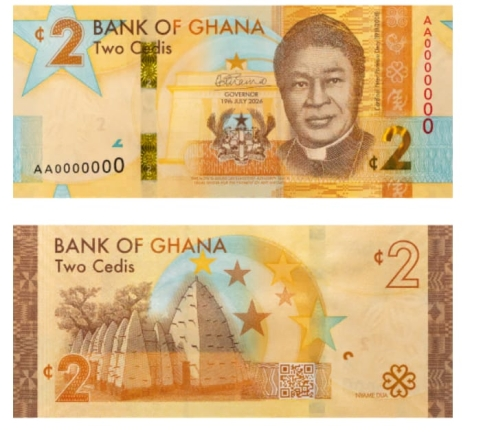
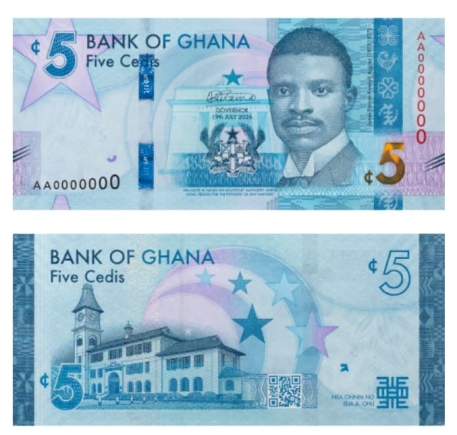
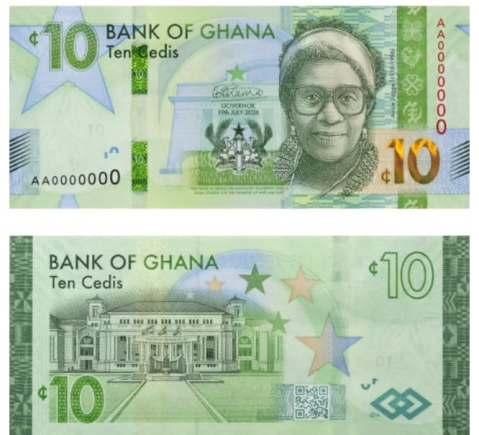
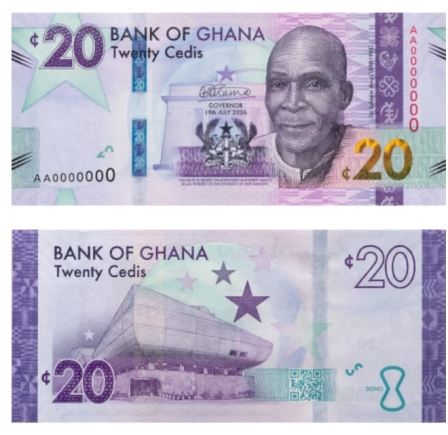
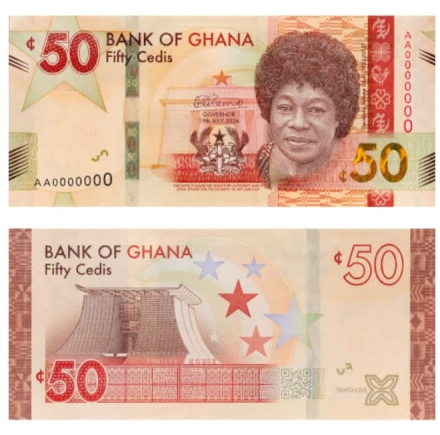
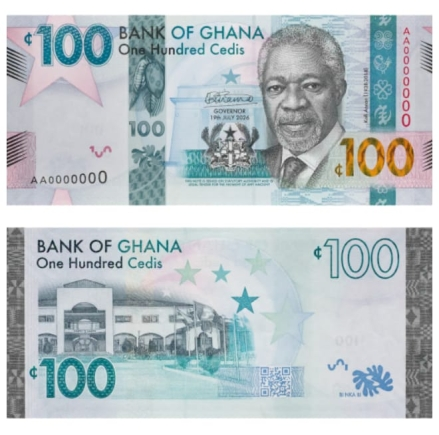
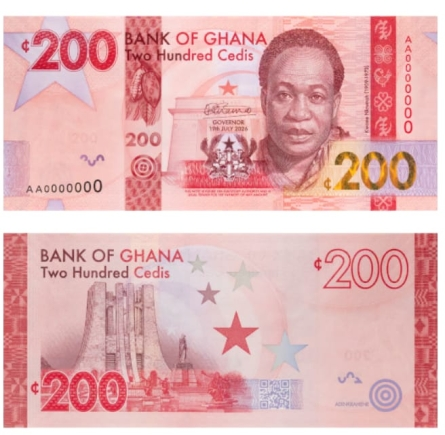
The notes, unveiled as the Ghana Cedi Heritage Series, feature national figures, historic places, monuments and Adinkra symbols.
Their design is intended to connect the currency with Ghana’s history and identity while adapting it for everyday use.
The new notes will circulate alongside existing banknotes, which remain legal tender. The transition is therefore a gradual introduction, not a deadline to exchange old money.
At the launch, Governor Dr Johnson Asiama described the event as “more than the introduction of upgraded notes”. The Bank says the new series is part of a broader effort to modernise currency management and protect the cedi’s integrity.
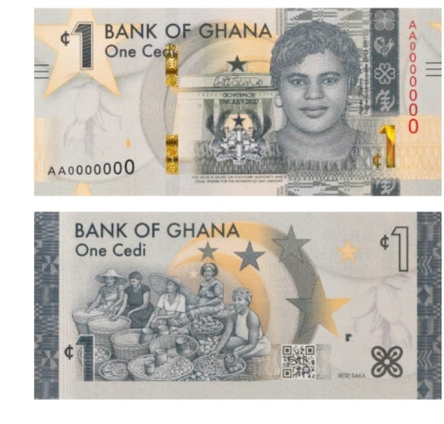
The core banknote designs have been in circulation for more than two decades, and the Bank argues that updated security standards and currency-use patterns warrant a redesign.
The Bank says the Heritage Series includes features intended to make genuine notes easier to identify and harder to counterfeit. That promise will ultimately be tested in markets, shops, transport stations and bank branches, where the public must distinguish genuine notes quickly and confidently.
Security features can raise the cost and difficulty of counterfeiting, but public education is just as important. A feature that people do not know how to check may offer limited protection in a hurried transaction.
The Bank plans a nationwide campaign in major local languages to explain how the notes can be authenticated and handled responsibly.
The Bank is also developing a new Currency Act to replace the Currency Act of 1964. The proposed law is expected to strengthen anti-counterfeiting provisions, set out procedures for identifying and disposing of counterfeit notes and support enforcement against the mutilation and abuse of banknotes and coins.
The legislation is still being developed with stakeholders, so the launch is also a prompt to watch how quickly the legal framework catches up with the new currency.
A redesigned note can signal an effort to protect the currency, but it cannot by itself guarantee confidence in the cedi. That rests on the broader performance of monetary institutions and the economy.
The Governor acknowledged that credibility depends on sound policies, effective institutions and public confidence. The new series is therefore one component of a larger trust relationship between the Bank and the people who use its currency.
The launch also highlights a tension in modern payments: digital transactions are growing, but physical cash remains essential.
The Governor pointed to the risk that payment systems may be disrupted by technical failures, cyber incidents, natural disasters or deliberate attacks.
Cash can help households and businesses continue trading when electronic systems are unavailable.
That argument does not diminish the value of digital payments. It makes the case for resilience: an economy should be able to benefit from digital services while maintaining a dependable cash network.
The Bank says it has developed an in-house Enterprise Currency Operations Management Software system to improve coordination with commercial banks. It also plans to establish new Cash Centres at its Ho and Tamale regional offices.
These initiatives could improve the distribution and management of notes, though their impact will depend on execution and access across the country.
For users, the redesign’s smaller size may be a practical improvement, particularly when carrying or storing cash. Improved durability could also help notes last longer under frequent handling and Ghana’s climatic conditions.
If the notes do remain in circulation longer, the Bank could reduce the frequency with which worn notes need to be replaced. However, the launch information does not provide estimates for note lifespan, production cost or expected savings.
Those figures would help the public assess the operational case for the redesign as well as its cultural value.
The planned Cedi App is another part of the Bank’s public-facing approach. It is intended to help people learn about the new notes and assist users with visual impairments. Alongside the education campaign, the app could help make authentication information more accessible.
Its value will depend on how easy it is to use and whether the information is available in formats that meet the needs of different users.
The most important reassurance for the transition is straightforward: existing notes remain valid, and the two series will be used together. That should help households and businesses adjust without unnecessary disruption.
It also means there is no need for the public to rush to exchange money before December 1. A clear, consistent message from banks and retailers will matter as much as the design itself.
The Heritage Series combines a visible change in the notes with a wider programme of currency management, public education and proposed legal reform.
Its success will be measured not only by whether the public welcomes the designs, but by whether the notes are easier to authenticate, last longer in circulation, remain accessible and reach users reliably.
The Bank has invited Ghanaians to take pride in the currency and handle it with care. That appeal will carry greater weight if the new notes deliver the practical improvements promised and if the Bank reports on their costs and performance.
The new cedi is entering circulation on December 1. The more consequential test begins then: whether the redesign strengthens confidence in the money people use every day.

