


- JICA moves to revive Volivo Bridge as Ghana pushes ahead with Kumasi Ring Road project
Ghana is moving to restart two important transport infrastructure projects the Volivo Bridge and the Kumasi Inner Ring Road after fresh engagement with the Japan International Cooperation Agency showed renewed confidence in the country’s economic recovery and project pipeline.
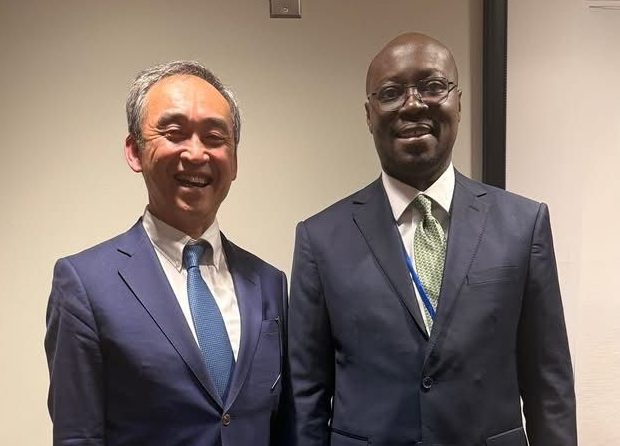
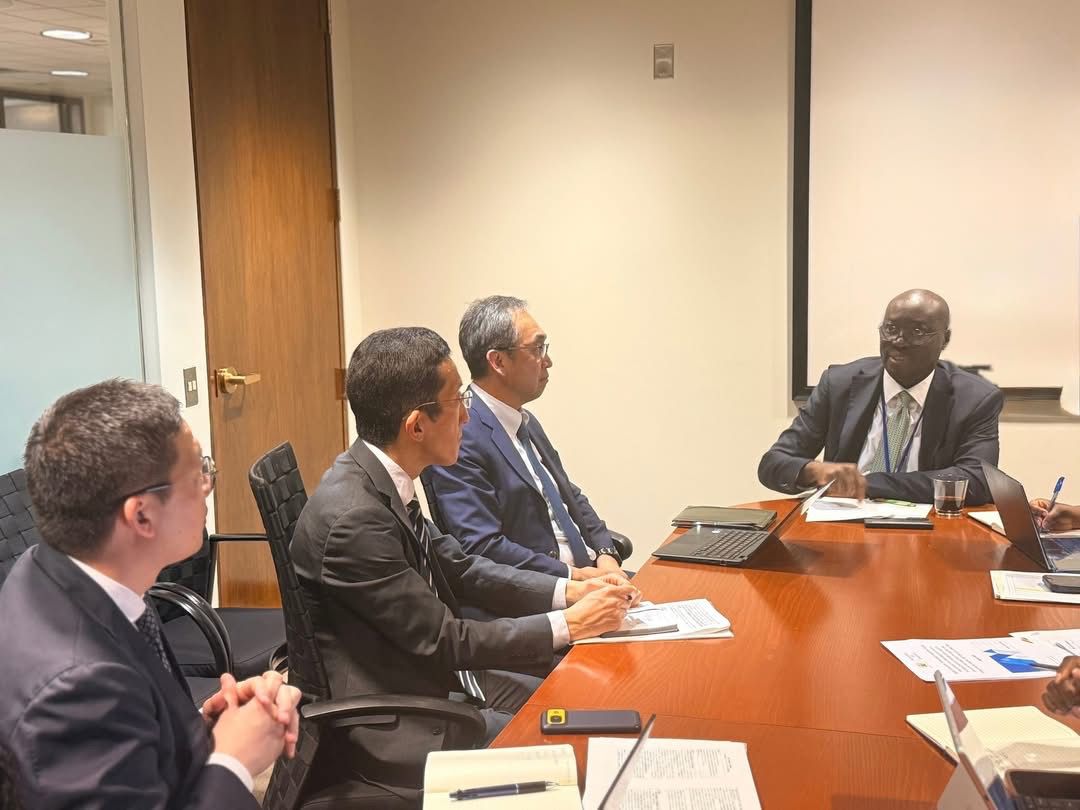
The momentum emerged from talks at the ongoing IMF-World Bank Spring Meetings, where Finance Minister Dr Cassiel Ato Forson met JICA Senior Vice President Ando Naoki to discuss Ghana’s economic outlook and infrastructure priorities.
According to the finance minister, the discussions pointed to a more positive financing outlook for the Volivo Bridge project, with Naoki indicating that, “based on Ghana’s improved macroeconomic outlook, JICA would secure additional funding” to support the project’s execution.
The Volivo Bridge has long stood as one of the country’s more strategic but delayed infrastructure ambitions, with the potential to improve regional connectivity, ease transport bottlenecks and support trade flows. Its revival would also carry symbolic weight, suggesting that development partners are beginning to treat Ghana once again as a country capable of taking on long-term capital projects after the strains of the 2022 economic crisis.
Dr Forson used the meeting to reinforce that broader recovery narrative. He “reaffirmed that Ghana has moved beyond the economic crisis of 2022”, adding that the country’s debt “is now on a sustainable path” and that it is “on course to return to a moderate risk of debt distress.”
That appeared central to JICA’s renewed confidence. Export credit agencies and development financiers do not merely fund roads and bridges; they fund sovereign credibility. In that sense, the reopening of space for the Volivo Bridge is as much a vote on Ghana’s macroeconomic stabilisation as it is on the engineering value of the structure itself.
Naoki was also optimistic about the project timeline, expressing confidence that “the contractor will mobilise by the end of the year to commence construction of the bridge.”
If that happens, it would mark a notable shift in Ghana’s infrastructure story from postponement and financing hesitation to cautious reactivation.
The Kumasi Inner Ring Road project appears further along the procurement curve. Naoki “confirmed that the tender process is currently ongoing”, positioning the project for take-off once the procurement process is completed.
That scheme is expected to improve mobility within Kumasi, one of Ghana’s busiest urban and commercial centres, through the widening of a 3.2-kilometre stretch between the Santasi and Ahodwo roundabouts. It will also include “the installation of modern traffic signals at key intersections, improvements to pedestrian infrastructure and drainage systems, and enhanced connectivity between the Santasi Roundabout and the N8 corridor.”
For Kumasi, the project is more than a traffic intervention. It is part of the broader challenge of adapting urban infrastructure to rising commercial density, population growth and mounting transport demand.
For now, though, the message from Washington is clear: Japan’s development agency is once again willing to lean into Ghana’s infrastructure story and that may be one of the clearest signs yet that the country’s crisis-era financing freeze is beginning to thaw.

