

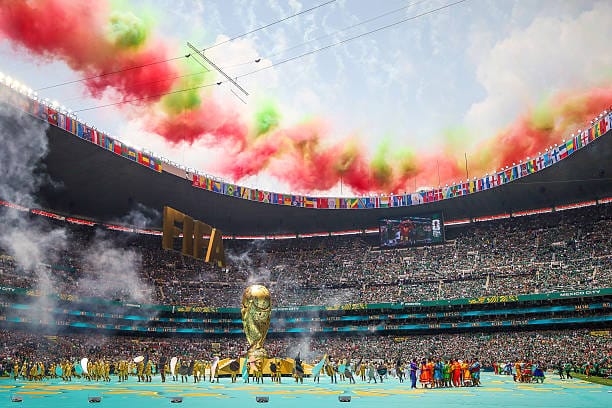

- Everything You Need to Know About the First-Ever FIFA World Cup Final Halftime Show
The 2026 FIFA World Cup final between Spain and Argentina will make history for more than just what happens on the pitch. For the first time in the tournament’s 96-year history, FIFA will stage a halftime show, introducing a tradition long associated with the NFL’s Super Bowl to football’s biggest event.
The landmark entertainment spectacle will take place during Sunday’s final at New York New Jersey Stadium (MetLife Stadium), adding another layer of excitement to one of the most anticipated World Cup finals in recent memory.
FIFA has assembled a global cast of music icons for the historic performance. The show, curated by Coldplay frontman Chris Martin, will feature international stars including Shakira, Madonna, Justin Bieber, Burna Boy and South Korean supergroup BTS.
Also expected to perform are the PS22 Chorus from New York, accompanied by members of Coldplay, renowned Venezuelan conductor Gustavo Dudamel, and appearances from Sesame Street and The Muppets characters.
According to FIFA, the halftime show aims to blend “football, music and social impact” while supporting the FIFA Global Citizen Education Fund, which seeks to raise $100 million to expand access to education and football opportunities for children around the world.
The introduction of a halftime show represents a significant shift in FIFA’s approach to the World Cup final, borrowing one of the most successful traditions from American sport.
While elaborate opening and closing ceremonies have long been part of World Cup celebrations, a performance during halftime is unprecedented. FIFA hopes the spectacle will attract new audiences and transform the final into an even bigger global entertainment event.
The initiative follows a successful trial during the FIFA Club World Cup final, although Sunday’s performance is expected to be much larger and will reportedly take place directly on the playing field.
The introduction of the concert is expected to extend halftime beyond football’s traditional 15-minute interval.
Although FIFA has not officially confirmed the exact duration, reports suggest the break could last around 20 minutes to allow enough time for the construction and removal of the stage.
That has generated debate among players, coaches and football observers. Under the Laws of the Game set by the International Football Association Board (IFAB), halftime should normally not exceed 15 minutes unless permitted by the referee.
Several coaches have previously expressed concerns that extended halftime breaks can affect players’ physical condition, rhythm and concentration, particularly in high-intensity matches such as a World Cup final.
Sports scientists believe players will need carefully managed recovery routines during the extended break.
Instead of remaining seated in the dressing room, squads are expected to continue light movement, stretching and hydration exercises to prevent muscles from cooling down before the second half begins.
Managing fitness during the longer interval could become an important tactical factor for both Spain and Argentina as they chase the biggest prize in international football.
Another major challenge will be preserving the quality of the pitch.
Unlike previous World Cup halftimes, which allowed ground staff to water and repair the field, Sunday’s interval will involve moving staging equipment onto the playing surface before removing it within minutes.
FIFA has extensive experience staging pre-match ceremonies, but completing such a large production during halftime without affecting the pitch presents a unique logistical challenge.
Television viewers around the world are expected to see the entire performance live.
Major broadcasters, including those holding World Cup rights across several countries, plan to air the halftime show in full alongside their usual match analysis before the second half resumes.
While the entertainment promises to captivate millions, the spotlight will quickly return to the action on the field.
Spain and defending champions Argentina will battle for football’s ultimate prize in the first World Cup final to feature both a halftime concert and championship rings for the winners.
Whether the new tradition becomes a permanent feature of future tournaments remains to be seen, but Sunday’s final is certain to mark a historic milestone both on and off the pitch.

