


GNCCI CEO Signals Renewed Business Confidence Amid Improving Macroeconomic Conditions
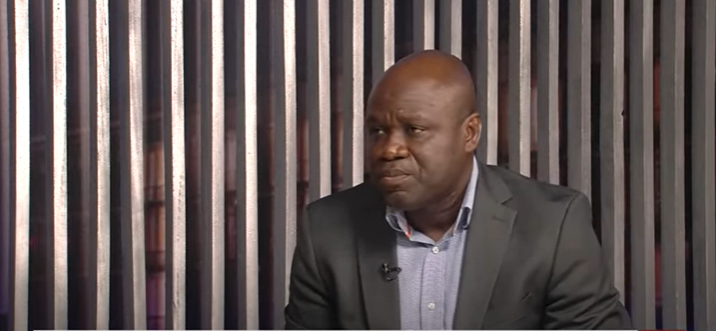
Chief Executive Officer of the Ghana National Chamber of Commerce and Industry (GNCCI), Mark Badu Aboagye, has indicated that recent improvements in Ghana’s macroeconomic environment are beginning to restore private sector confidence and drive business activity.
Speaking during the Quarterly Economic Outlook programme on Channel One TV on Monday, April 27, under the theme “Taking Stock – Ghana’s Economic Turnaround: What Changed & What Comes Next?”, he noted that macroeconomic conditions remain a key determinant of business performance and investment appetite.
According to him, the operating environment plays a central role in shaping business decisions, stressing that favourable macroeconomic conditions tend to encourage investment, while instability discourages it.
“For business, you operate in a certain environment and that environment is the macroeconomic environment. So if that environment is good, it stimulates business activity; if it is bad, it puts people off and people will not want to invest,” he stated.
He recalled that 2022 presented significant challenges for businesses, driven largely by elevated inflation and high interest rates, which constrained operations and weakened investor sentiment.
“From 2022 there were a lot of difficulties because the environment was harsh. Inflation was about 54%, and the policy rate was around 30%. Around that time, all the indicators showed we were among the highest in the world, except for extreme cases like Zimbabwe,” he explained.
Mr Badu Aboagye, however, observed that the recent pace of macroeconomic stabilisation has been remarkable, highlighting the sharp decline in inflation as a key milestone for the business community.
“The progress for me, the transition has been very swift – that is what we have been looking for – to move from that level to an inflation of 3.2,” he said, noting that such gains reflect deliberate and sustained economic management efforts.
He further commended economic managers for the progress achieved, describing it as a positive signal for the private sector and a foundation for sustained economic recovery.

