


- Football’s Golden Factories: The 10 Youth Academies That Have Generated Hundreds of Millions in Transfer Revenue
Modern football has become a billion-dollar industry where clubs routinely spend more than €100 million to sign established stars. Yet, behind many of those blockbuster transfers lies a far more sustainable strategy—building elite footballers from within.
Across Europe and South America, a select group of clubs have mastered the art of youth development, producing world-class players who either become club legends or are sold for enormous transfer fees that finance future success.
According to the latest study by the CIES Football Observatory, academy graduates have generated billions of euros in transfer revenue over the past decade, proving that investing in youth remains one of football’s most profitable long-term strategies.
Here are the world’s ten most profitable football academies over the last decade.
1. Benfica (Portugal)
Academy Revenue: €589 million
No club has transformed youth development into financial success better than Benfica.
The Portuguese giants’ famed Benfica Campus in Seixal has become Europe’s benchmark for producing elite footballers before selling them at precisely the right time.
Their record-breaking sale remains João Félix, whose move to Atlético Madrid in 2019 generated around €126 million. But that was only the beginning.
The academy has also produced Rúben Dias, Bernardo Silva, João Cancelo, Gonçalo Ramos, Renato Sanches, Florentino Luís and Nélson Semedo, among many others.
Rather than holding onto stars indefinitely, Benfica have perfected a model that continually reinvests transfer income into scouting and development, ensuring another generation is always waiting.
With €589 million earned from academy graduates over the past decade, no club comes close.
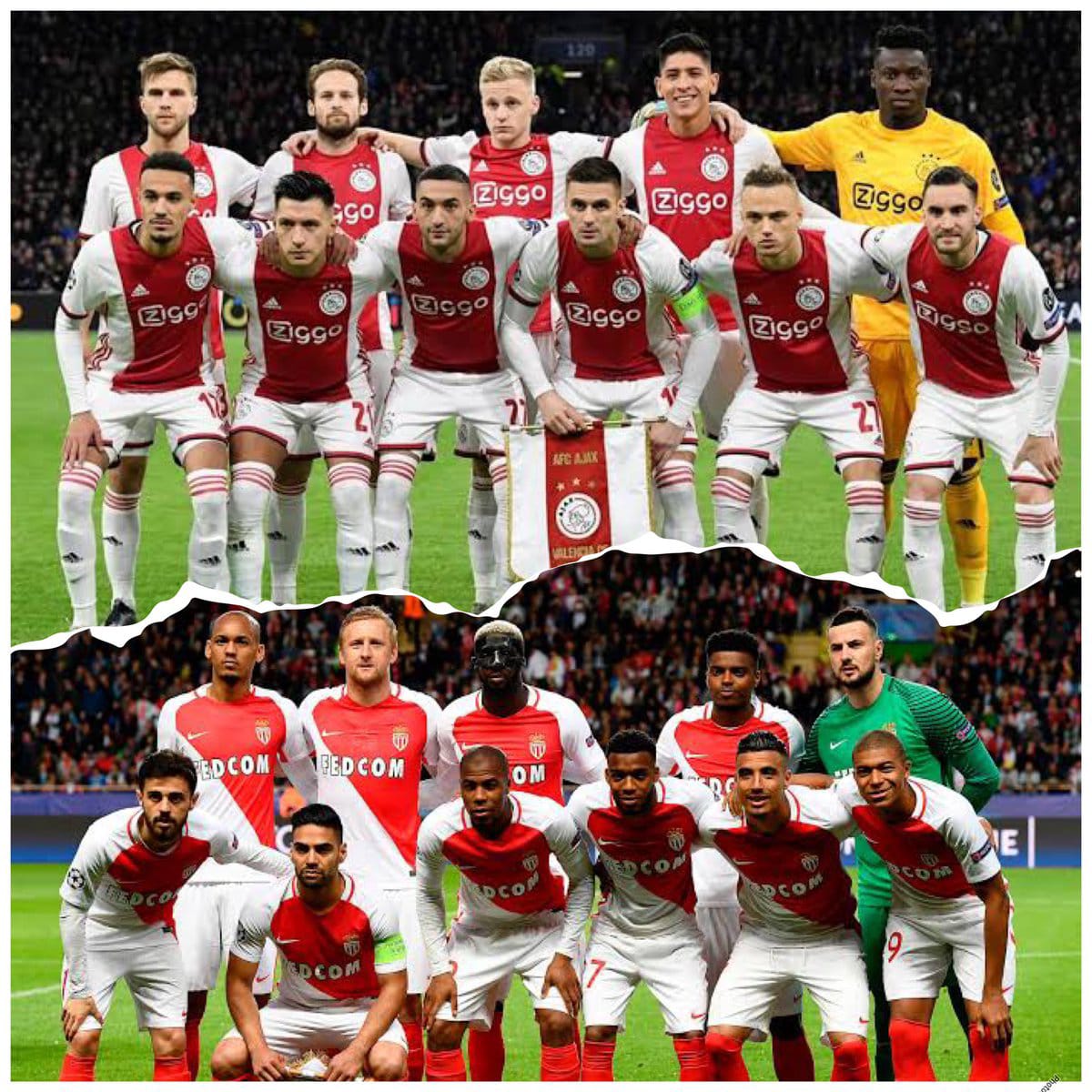
2. Ajax (Netherlands)
Academy Revenue: €454 million
If football had a university, Ajax’s De Toekomst (“The Future”) would be its most famous campus.
The Dutch giants remain committed to producing technically gifted footballers capable of thriving in possession-based football.
Their modern golden generation produced enormous returns.
Captain Matthijs de Ligt joined Juventus in 2019 for around €75 million, while Frenkie de Jong moved to Barcelona in a deal worth approximately €86 million.
Other academy products including Ryan Gravenberch, Donny van de Beek, Sergiño Dest, Jurriën Timber and Sven Botman have further strengthened Ajax’s reputation.
Over the last decade, Ajax have generated €454 million from academy sales while continuing to compete regularly in the UEFA Champions League.
3. Chelsea (England)
Academy Revenue: €442 million
Chelsea’s Cobham Academy has become one of Europe’s most productive talent factories.
For years, critics questioned Chelsea’s habit of loaning young players across Europe. Today, that strategy has translated into remarkable financial success.
The academy has produced stars including Mason Mount, Reece James, Conor Gallagher, Lewis Hall, Tammy Abraham, Fikayo Tomori, Callum Hudson-Odoi, Ruben Loftus-Cheek, Marc Guéhi and Tino Livramento.
Several graduates became first-team regulars, while others generated major transfer fees.
Chelsea earned €442 million from academy graduates over the last decade, with an astonishing €366 million arriving in just the last five years—the highest of any club during that period.
4. Olympique Lyonnais (France)
For more than two decades, Lyon have been France’s premier academy club.
Their youth system has produced Karim Benzema, Alexandre Lacazette, Samuel Umtiti, Corentin Tolisso, Anthony Martial, Nabil Fekir, Malo Gusto and Bradley Barcola.
Lacazette’s transfer to Arsenal, Martial’s move to Manchester United and Barcola’s switch to Paris Saint-Germain are among the academy’s biggest financial successes.
Despite operating outside Europe’s financial elite, Lyon continue to compete through intelligent youth development rather than extravagant spending.
5. Real Madrid (Spain)
Often overshadowed by Barcelona’s La Masia, La Fábrica continues to produce elite footballers at an extraordinary rate.
While Real Madrid are famous for signing Galácticos, their academy has also produced Raúl González, Iker Casillas, Dani Carvajal, Nacho Fernández, Lucas Vázquez, Álvaro Morata and Achraf Hakimi.
Morata’s return to Chelsea and Hakimi’s eventual move to Paris Saint-Germain generated enormous returns, proving Madrid’s academy remains one of football’s hidden gems.
6. AS Monaco (France)
Monaco have built their identity around identifying and developing elite young footballers before selling them at peak value.
Their greatest success remains Kylian Mbappé, whose transfer to Paris Saint-Germain became one of football’s biggest deals.
The academy has also developed Benoît Badiashile, Yannick Carrasco and several members of Monaco’s unforgettable 2017 Ligue 1 title-winning side.
Few clubs maximise player value as effectively as Monaco.
7. Sporting CP (Portugal)
Sporting’s Alcochete Academy has produced some of football’s greatest names.
The most famous graduate is Cristiano Ronaldo, but the conveyor belt has continued with Nani, João Moutinho, Rafael Leão, Gonçalo Inácio, João Palhinha, Nuno Mendes and Matheus Nunes.
Player sales remain central to Sporting’s financial model, allowing the Lisbon club to remain competitive despite operating with significantly smaller resources than Europe’s financial heavyweights.
8. Manchester City (England)
Manchester City’s academy has evolved dramatically over the last decade following major investment in the City Football Academy.
Graduates such as Cole Palmer, Romeo Lavia, James Trafford, Taylor Harwood-Bellis, Morgan Rogers and Liam Delap have generated significant transfer income.
While many graduates leave in search of regular first-team football, City have become exceptionally efficient at creating value through youth development.
9. Palmeiras (Brazil)
South America’s only representative in the top ten is Brazilian powerhouse Palmeiras.
Their academy continues to produce some of Brazil’s brightest talents, including Endrick, Danilo, Gabriel Jesus, Estevão Willian and Luis Guilherme.
The sale of teenage sensation Endrick to Real Madrid reinforced Palmeiras’ reputation as one of world football’s leading talent producers.
Brazil’s domestic clubs increasingly rely on academy development to compete financially with Europe, and Palmeiras lead that movement.
10. Bayer Leverkusen (Germany)
Completing the top ten is Bayer Leverkusen, whose academy has quietly produced outstanding talent.
The Bundesliga club has benefited from the development of players such as Kai Havertz, whose move to Chelsea became one of Germany’s biggest transfers, alongside Benjamin Henrichs and several other home-grown graduates.
Leverkusen continue to combine intelligent recruitment with one of Germany’s strongest youth systems, making them among Europe’s most sustainable clubs.
The latest CIES study demonstrates that football’s most successful academies are about far more than transfer profits. They represent long-term investment in coaching, scouting, sports science and education, producing players capable of succeeding at the highest level while ensuring clubs remain financially sustainable.
Perhaps the biggest surprise is not Benfica’s position at the summit, but the absence of some of football’s most famous academies. Barcelona’s La Masia, despite producing icons such as Lionel Messi, Xavi Hernández, Andrés Iniesta and the current generation led by Lamine Yamal, ranks outside the top ten because its philosophy prioritises integrating graduates into the first team rather than selling them for profit. In contrast, Benfica, Ajax and Sporting have built business models that balance elite player development with strategic transfers.
In modern football, an academy is no longer simply a pathway to the first team. For the world’s smartest clubs, it has become the foundation of sporting success, financial stability and long-term sustainability.

