


Seven in Ten Ghanaians Alarmed by Rising Living Costs Despite Strong Mahama Approval — IEA Survey
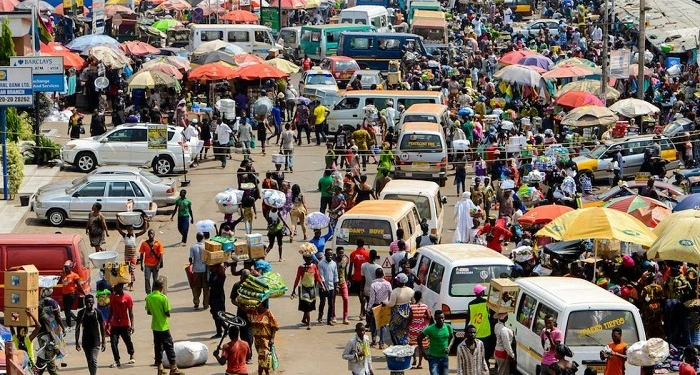
Seven out of every ten Ghanaians remain deeply concerned about rising food prices and the overall cost of living, according to a new survey conducted by the Institute of Economic Affairs (IEA), underscoring persistent economic anxiety despite strong approval ratings for President John Dramani Mahama.
In a press release dated February 11, 2026, the IEA revealed that 71 per cent of respondents said they were “very concerned” about the prices of food and other essential consumer goods. The poll, conducted in December 2025, surveyed more than 1,000 respondents across all regions of the country.
Beyond rising prices, unemployment and illegal mining also featured prominently among public concerns. About 46 per cent of respondents identified unemployment as a major national issue, while 30 per cent cited illegal mining activities.
According to the IEA, the survey was designed to gauge public sentiment on prevailing socio-economic pressures one year after the 2024 general election, while also assessing perceptions of the President’s performance in office.
The think tank noted that although some macroeconomic indicators show signs of improvement, these gains have yet to translate into meaningful relief for many households, which continue to face significant financial strain.
Despite the economic pressures, the survey found broad approval for President Mahama’s leadership. About 68 per cent of respondents said they approve of how he is handling his job, compared with 22 per cent who disapprove, while 10 per cent expressed no opinion.
The results point to a nuanced national outlook, where confidence in political leadership exists alongside frustration over day-to-day economic realities.
President Mahama, who was sworn into office on January 7, 2025, inherited an economy burdened by high public debt, elevated inflation, currency depreciation and persistent unemployment.
The IEA concluded that the findings reflect a “mixed national mood”, marked by strong approval of the President’s performance but sustained concern over rising living costs and household economic pressures.

