
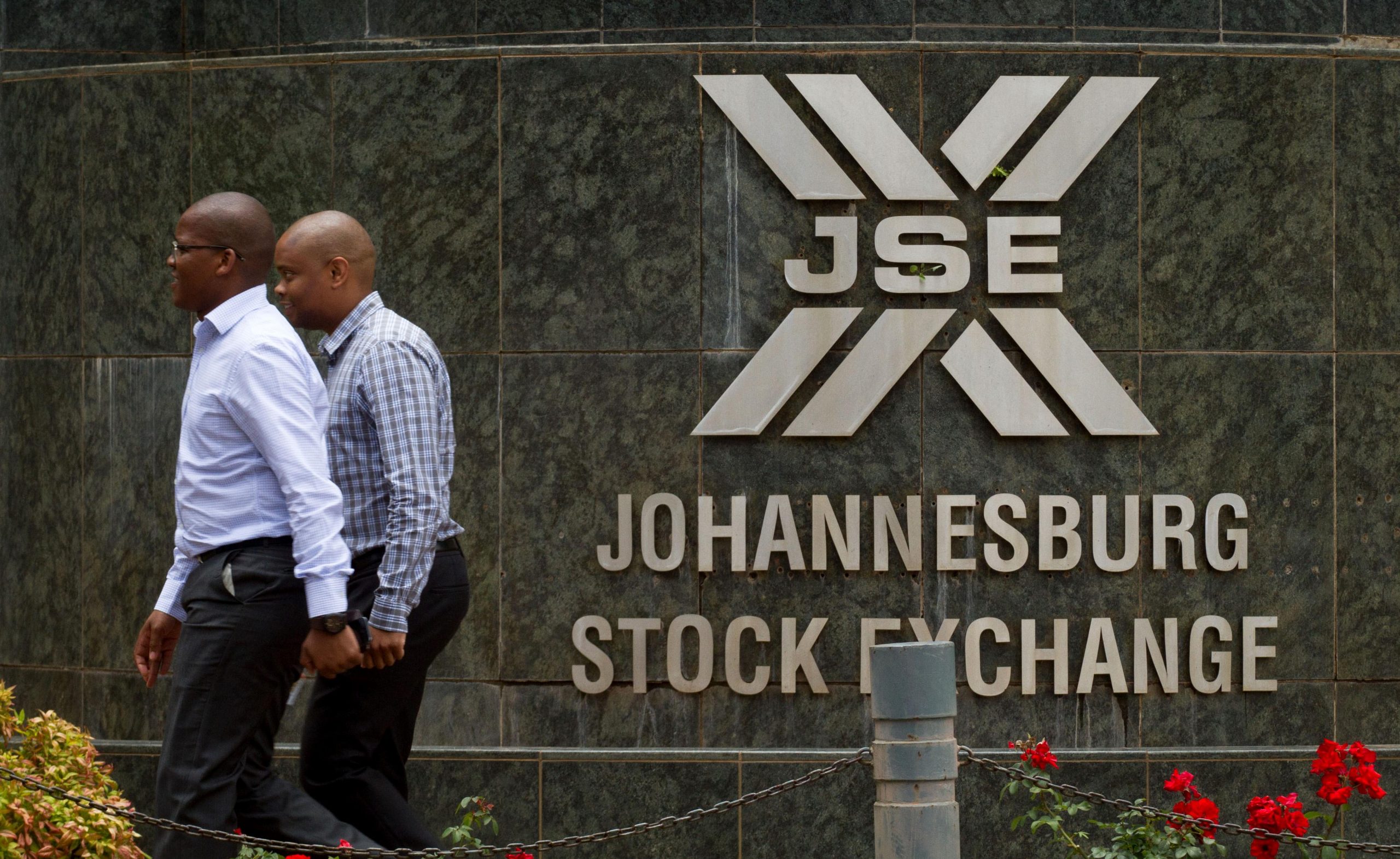

- JSE slides sharply amid commodity sell-off and global risk aversion
South Africa’s equity market is on course for its worst monthly performance since the global financial crisis, as the fallout from the Middle East conflict triggers a sharp sell-off in commodities and emerging market assets.
Johannesburg’s FTSE/JSE All Share Index has fallen about 13% in March, marking its steepest monthly decline since September 2008 and reversing a prolonged rally that had positioned the market among the world’s top performers.
The downturn reflects a dual shock. Rising geopolitical tensions have dampened investor appetite for emerging markets, while a sharp drop in precious metals prices has hit South Africa’s mining-heavy index particularly hard. The precious metals and mining sector, which accounts for roughly a quarter of the index, has slumped by about 27% since the conflict escalated, erasing earlier gains driven by strong gold and platinum prices.
Scale of the decline marks a sharp turnaround for South African equities. The market had recorded 12 consecutive months of gains through February, supported by a strong rand, easing inflation and a surge in commodity prices. The Middle East conflict has driven oil prices higher, raising fears of renewed inflation and forcing investors to reassess expectations for global interest rates. The result has been a broad shift away from riskier assets, with emerging markets among the hardest hit.
Heavy exposure to mining stocks means that fluctuations in global commodity prices feed directly into equity performance. As gold and platinum prices weakened amid global repositioning, mining stocks came under sustained pressure, dragging the broader index lower.
At the same time, the sell-off reflects a wider retreat from emerging markets, as investors seek safer assets in response to heightened geopolitical uncertainty and tightening financial conditions.
Higher oil prices are expected to feed into domestic inflation, complicating the policy outlook for the South African Reserve Bank. Recent signals pointing to higher inflation forecasts suggest that interest rates may remain elevated for longer, adding further pressure on growth and asset prices. The weakening of the rand has compounded these concerns, reinforcing the cycle of capital outflows and market volatility.
The speed of the reversal from one of the strongest-performing markets globally to one of the weakest highlights how quickly sentiment can shift when external shocks emerge.
While the comparison to 2008 reflects the scale of the decline, the underlying drivers are rooted in today’s geopolitical tensions, energy market disruptions and inflation risks. The key question now is whether markets stabilise as conditions normalise, or whether continued volatility in oil prices and global risk sentiment could extend the pressure into the coming months.

