


- Ghana Reference Rate Falls to 10.03% as Borrowing Conditions Continue to Ease
The Ghana Reference Rate declined marginally to 10.03% for May 2026, extending a steady easing trend in benchmark lending indicators as Ghana’s macroeconomic conditions continue to improve. The new rate, announced by the Ghana Association of Banks, is down from 10.06% in April and takes effect from May 6, 2026.
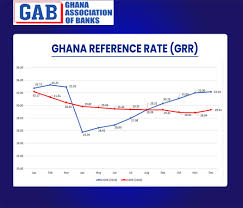
Although the latest decline is modest, it reinforces the broader downward path in borrowing benchmarks following sharper reductions earlier in the year. The Ghana Reference Rate fell from 14.58% in February to 11.71% in March, before easing further to 10.06% in April and 10.03% in May.
The rate serves as the base benchmark used by banks in pricing loans and is calculated through a weighted formula that includes Treasury bill rates, the average interbank rate and the Bank of Ghana’s Monetary Policy Rate. The decline therefore points to improving conditions in the money market and reflects the broader stabilisation in inflation, monetary policy and short-term interest rates.
For businesses and households, the downward movement could create room for banks to gradually lower lending rates, particularly as funding conditions improve and market interest rates adjust.
However, the immediate effect on actual commercial lending rates is expected to be limited. Loan pricing will still depend on borrower risk profiles, banks’ cost of funds, credit risk frameworks, collateral quality and internal repricing cycles. As a result, any meaningful reduction in lending rates is likely to occur gradually rather than immediately.
For small and medium-sized enterprises, the direction of travel is nevertheless important. High borrowing costs have remained one of the biggest constraints to business expansion, working capital access and private sector investment.
A sustained fall in the Ghana Reference Rate could therefore support improved credit conditions if banks transmit the decline to customers. The development comes at a time when Ghana’s economic debate is shifting from stabilisation to real-sector transmission. Inflation has eased, the exchange rate has stabilised and policy rates have declined, but many businesses still say borrowing costs remain too high to support competitiveness and job creation.
The latest Ghana Reference Rate movement offers cautious optimism. It suggests that monetary easing is beginning to reflect in lending benchmarks, even if the full benefit has not yet reached borrowers.
For now, Ghana’s borrowing environment is easing but the relief for businesses and households will depend on how quickly banks adjust actual loan pricing.

