


- Mine Workers Demand Stricter Oversight of Chinese-Owned Mines Over Safety Breaches
The Ghana Mine Workers’ Union has raised concerns over what it describes as growing safety risks at some Chinese-owned mining operations, warning that non-compliance with industry regulations could endanger workers, local communities and the environment.
General Secretary of the Union, Abdul-Moomin Gbana, said while Ghana’s mining sector has made notable progress in health and safety standards, some operators continue to disregard mandatory requirements in pursuit of profit.
He was careful to stress that the Union’s concern was not directed at all Chinese investors, but at specific operators the Union considers non-compliant.
“I am not referring to all Chinese investments. There are a number of recalcitrant Chinese investors operating in the industry who do not comply with the law,” Mr Gbana said.
According to the Union, the conduct of such operators risks undermining gains made in the sector through stronger regulation, improved technology and better industry oversight.
The GMWU argues that workplace safety cannot be treated as optional, especially in a high-risk industry where weak compliance can result in fatal accidents, long-term health complications and environmental damage.
Mining remains one of Ghana’s most important economic sectors, contributing significantly to exports, government revenue and employment. But it is also one of the most hazardous, requiring strict adherence to occupational health and safety standards.
The Union warned that when operators cut corners, workers may be exposed to unstable pits, unsafe tunnels, faulty machinery, poor ventilation, inadequate protective equipment and the improper handling of explosives and hazardous chemicals.
Such risks, it said, could result in injuries, fatalities and chronic illnesses, including respiratory diseases linked to exposure to dust and toxic substances.
Beyond the mines, the Union also warned of wider public health and environmental risks.
Poorly regulated mining operations, it noted, can lead to irresponsible waste disposal, contamination of water bodies, destruction of farmlands, deforestation and soil erosion.
For communities living near mining sites, these risks can affect drinking water, agriculture, livelihoods and long-term health.
The Union said the situation requires urgent regulatory attention, particularly from the Minerals Commission and other state agencies responsible for enforcing mining and labour standards.
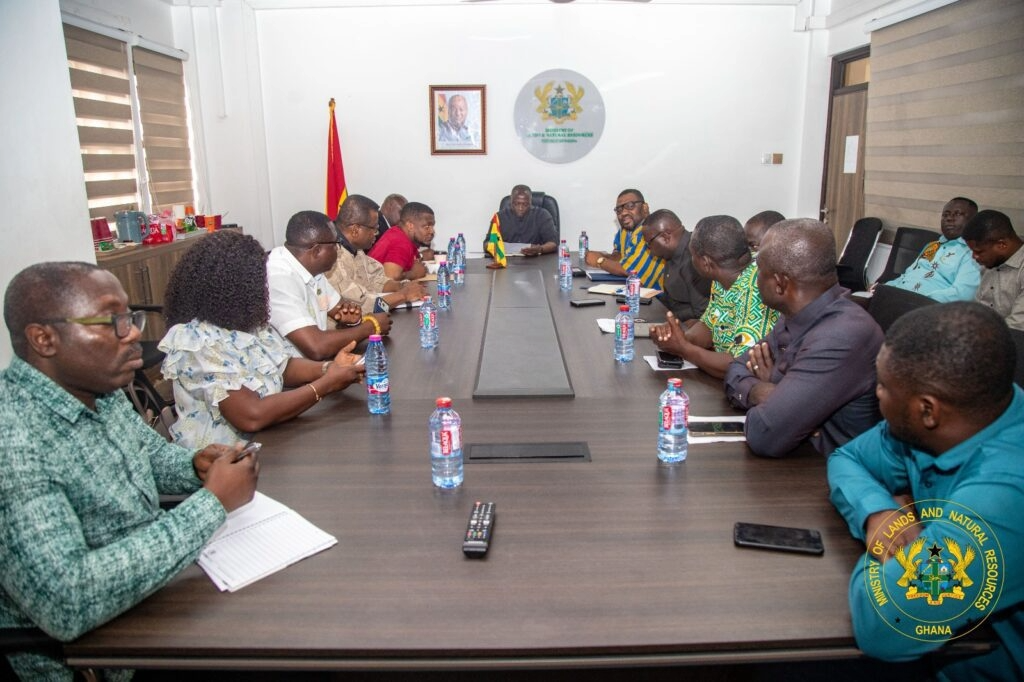
Mr Gbana indicated that the GMWU has repeatedly reported its concerns to the Minerals Commission and has also petitioned the sector minister and the National Labour Commission for intervention.
The Union is demanding more consistent site inspections, tougher enforcement of safety regulations and stronger sanctions against companies that breach Ghana’s mining laws.
Its position is that all operators, whether local or foreign, must be held to the same legal and safety standards.
For the GMWU, the issue is not nationality. It is compliance. The Union’s warning comes at a time when Ghana is seeking to attract more investment into mining while also tightening rules around environmental protection, worker safety and responsible resource development.
Foreign investment can bring capital, technology and jobs. But where regulation is weak or enforcement inconsistent, the cost may be borne by workers, host communities and the environment.

