


AfDB Backs Nigerian Women Entrepreneurs With $61m DBN Financing Package
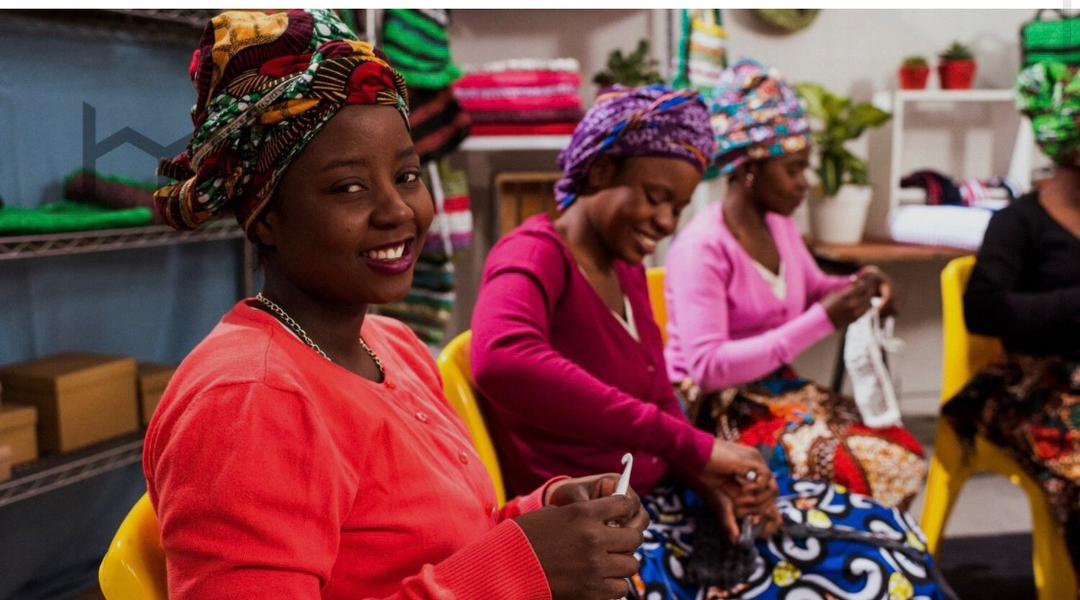
The African Development Bank Group has approved a $61 million financing package for the Development Bank of Nigeria in a move aimed at expanding credit access for women-owned and women-led micro, small and medium enterprises across Nigeria.
The facility underscores growing efforts by multilateral lenders to address persistent financing gaps confronting female entrepreneurs while accelerating inclusive private-sector growth in Africa’s largest economy.
According to the African Development Bank, the financing package combines three separate instruments, including a $50 million gender-focused line of credit, an $8 million concessional facility under the Agri-Food SME Catalytic Financing Mechanism, and a $3 million grant under the Affirmative Finance Action for Women in Africa initiative backed by the Women Entrepreneurs Finance Initiative.
More than 95% of the total financing has been earmarked specifically for women-owned and women-led businesses, with priority sectors including agriculture, healthcare, clean energy and other underserved segments of the economy.
The funds will be channelled through the Development Bank of Nigeria’s network of participating financial institutions to strengthen lending capacity for MSMEs and improve access to affordable long-term financing.
The African Development Bank said the structure of the programme combines concessional funding, partial credit guarantees and technical assistance to help reduce barriers that continue to limit women entrepreneurs’ access to formal credit markets.
Dr Abdul Kamara, Director General of the African Development Bank’s Nigeria office, described women entrepreneurs as one of the country’s most underutilised economic assets, arguing that expanding access to finance for women-led enterprises could significantly deepen Nigeria’s inclusive economic transformation.
The latest intervention also deepens the longstanding partnership between the African Development Bank and the Development Bank of Nigeria, which was established with support from international development institutions including the AfDB, World Bank and other global partners.
The financing approval comes at a time when high borrowing costs and tight monetary conditions continue to constrain lending to small businesses across Nigeria, particularly among women-led enterprises that often face structural barriers such as limited collateral and weaker access to formal banking systems.

