


- Ghana approves $250m AI centre as digital strategy shifts towards infrastructure-led growth
Ghana’s government has approved a $250m investment to establish a national artificial intelligence (AI) computing centre, signalling a decisive shift towards infrastructure-led digital transformation as the country seeks to position itself as a regional hub for AI innovation.
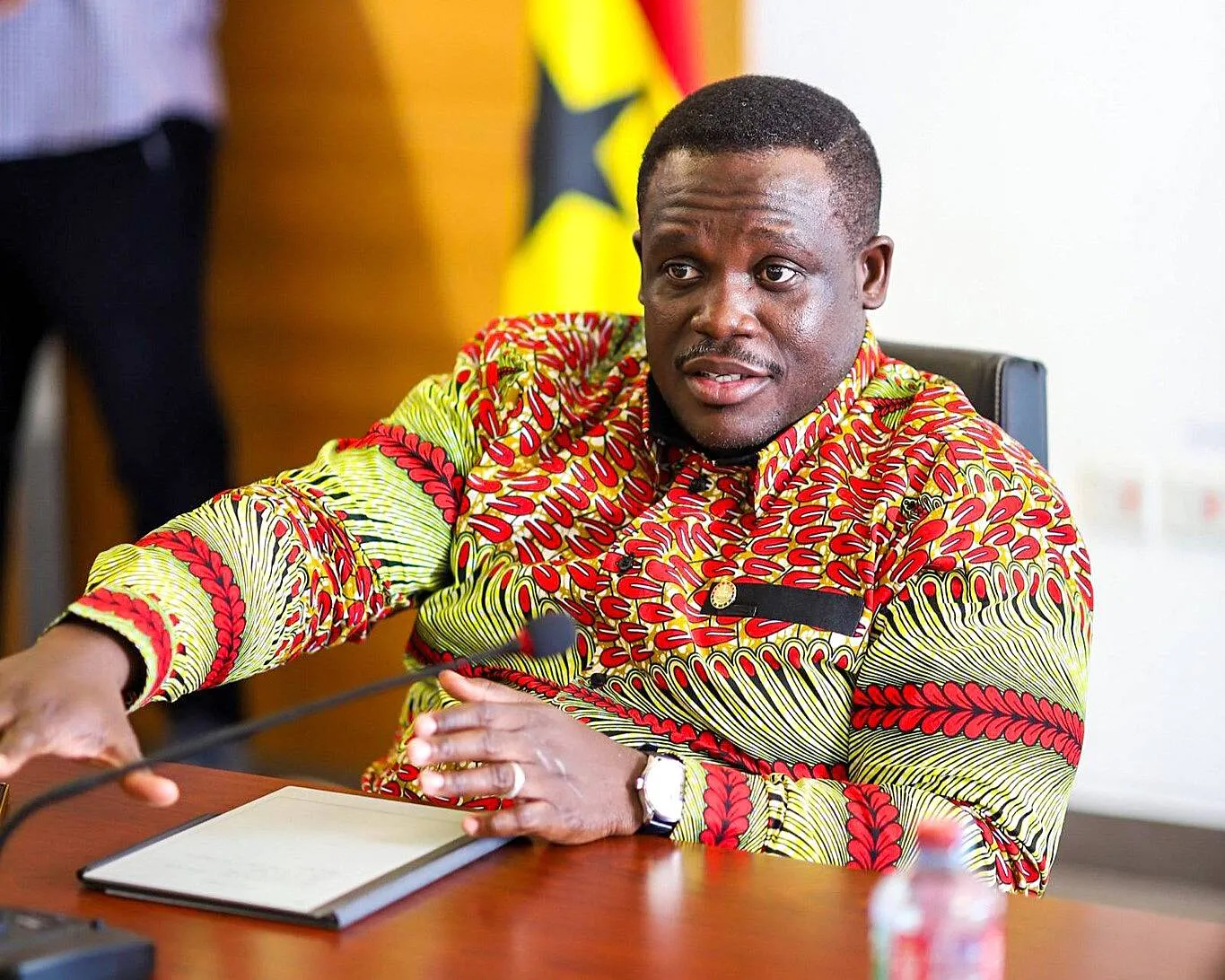
The initiative, announced by Communications, Digital Technology and Innovations Minister Hon Samuel Nartey George, is expected to support AI research, development and deployment across key sectors of the economy, including agriculture, healthcare and education.
The proposed centre forms part of a broader strategy to deepen Ghana’s digital capabilities and transition from a consumer of technology to a producer of high-value digital services, in line with the government’s wider economic transformation agenda.
Officials say the investment will provide the computing power and data infrastructure required to support advanced AI applications an area increasingly seen as critical to productivity growth, public service delivery and private sector competitiveness.
The move comes as Ghana prepares to launch its National Artificial Intelligence Strategy later this month, a policy framework aimed at guiding AI adoption across the economy while embedding governance, ethical safeguards and data protection standards.
For policymakers, the timing is strategic. With mobile penetration exceeding 110% and a rapidly expanding digital user base, Ghana already has the foundational demand-side conditions for AI adoption. The challenge now is to build the supply-side infrastructure, compute capacity, data systems and human capital, needed to scale innovation.
The government has identified four priority areas for its AI push: strengthening data governance systems, investing in computing infrastructure, expanding digital skills and embedding ethical frameworks in AI deployment.
Taken together, these pillars suggest a more coordinated and state-led approach to digital industrial policy, with AI positioned as a core driver of long-term economic competitiveness.
The initiative also reflects Ghana’s ambition to leverage its position as host of the African Continental Free Trade Area (AfCFTA) Secretariat to become a central player in the continent’s emerging digital trade ecosystem.
However, the scale of the investment raises important execution and governance questions. Analysts note that while the proposed AI centre could significantly enhance Ghana’s technological capabilities, its success will depend on how effectively it is integrated into the broader innovation ecosystem, particularly in linking research institutions, startups and private sector applications.
There are also concerns around sustainability, given the high capital and operational costs associated with AI infrastructure, as well as the need for consistent policy alignment across government agencies. Still, the government’s message is clear: Ghana is seeking to move beyond incremental digital reforms towards a more ambitious model of technological sovereignty.
As Hon. Sam George put it, the goal is not simply to adopt new technologies, but to build a system capable of shaping the country’s economic future. “The decisions and commitments we make today will have far-reaching implications,” he said, “and will shape Ghana’s technological future for decades to come.”

