

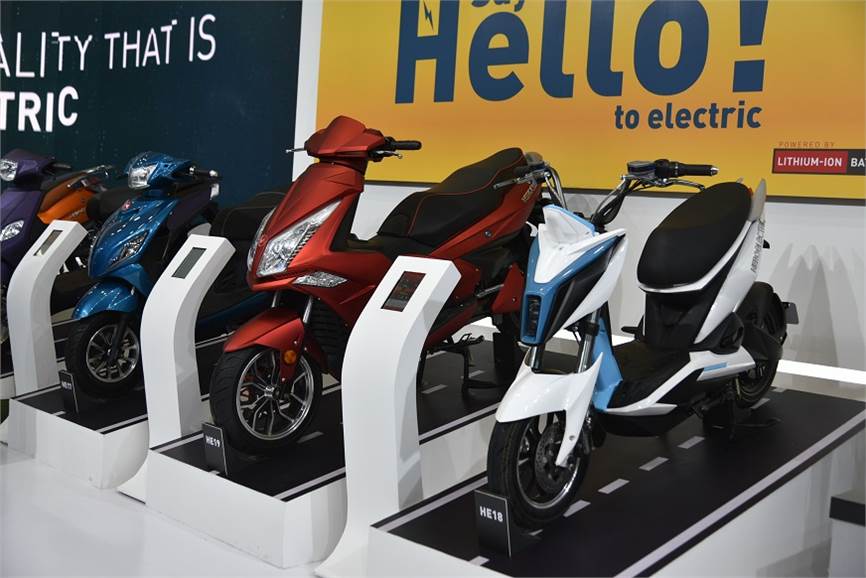

Rising E-Commerce Volumes set to Accelerate Electric Two-Wheeler Adoption Across SSA — Fitch Solutions
Lower operating costs, expanding battery-as-a-service (BaaS) networks and tightening emissions targets are expected to drive a sharp pivot toward electric two-wheelers (E2Ws) across Sub-Saharan Africa (SSA) as online retail expands, according to new analysis by Fitch Solutions.
The firm notes that rising e-commerce activity will have a direct impact on motorcycle demand, given that more than 80% of motorcycles on SSA roads are used for commercial purposes, including courier services, food delivery and logistics support. With order volumes projected to grow strongly over the medium term, analysts expect new earnings opportunities to emerge for riders and fleet operators — with the shift in demand increasingly favouring E2Ws.
Lower running costs strengthen commercial appeal
Fitch Solutions identifies significantly lower operating costs as the main catalyst for the migration from internal combustion engine (ICE) motorcycles to electric models. Electricity is cheaper per kilometre on urban routes, and delivery-focused stop-start cycles make E2Ws more efficient because they avoid fuel-burning idling.
In Kampala, riders using battery-swap networks typically pay around USD1.7 for 60–65km of range, aligning well with daily earning patterns. Maintenance is also substantially lower due to fewer moving parts, reducing workshop downtime and boosting margins.
Reportedly, E2W operating costs are up to 50% lower than ICE motorcycles in Kenya and Nigeria, and as much as 80% lower in Tanzania — a key advantage expected to strengthen as delivery densities increase alongside e-commerce growth.
BaaS and flexible financing models widen access
The expansion of BaaS networks is lowering upfront purchase barriers by converting the cost of the motorcycle and battery subscription into a predictable bundled payment. Fitch Solutions highlights that service-level agreements on swap-station availability and minimal queue times are reinforcing rider confidence while addressing range anxiety.
In Uganda, bundled E2W packages guarantee consistent swap costs and support more trips per day. In Kenya, local assemblers are collaborating with digital lenders and BaaS partners to provide motorcycles and battery access under a unified financing plan, with repayments linked to riders’ weekly platform earnings. Increasing data-sharing across lenders and BaaS operators — covering mileage, swap frequency and rider income — is helping refine credit risk models and extend financing to operators typically excluded from traditional banking systems.
Policy and sustainability targets accelerate electrification
Governments and major delivery platforms are tightening emissions-reduction commitments, further boosting the case for E2Ws on short-range urban routes.
Platforms such as Uber and Jumia are already deploying electric fleets in key cities:
Uber is rolling out E2Ws in Cape Town and Johannesburg through its partnership with Valternative, consistent with its 2040 zero-emission platform target.
Jumia has partnered with Spiro in Kampala to introduce electric bikes for deliveries as part of efforts to support cleaner city logistics.
At the policy level, several SSA governments are rolling out tax exemptions and incentives to accelerate adoption. Rwanda has removed VAT and import duties on EVs, batteries and charging equipment, alongside reduced electricity tariffs. Ghana and Kenya have introduced similar relief on electric motorcycles and traction batteries. Uganda, meanwhile, reinstated a 25% tariff on imported EVs in April 2024 while exempting local producers, a move expected to stimulate domestic assembly capacity.
Risks could temper the pace of adoption
Despite the strong outlook, Fitch Solutions points to several risks that could moderate adoption rates. Grid reliability remains uneven across SSA, creating uncertainty around battery-swap availability during peak hours without backup power systems. Swap-network coverage is largely concentrated in major cities, and early-stage interoperability challenges limit riders to specific networks, which may not match their routes.
Concerns over battery durability, range and long-term resale value also persist, requiring manufacturers and operators to demonstrate reliability under local conditions and shift entrenched perceptions that ICE motorcycles are more dependable for commercial use.

