

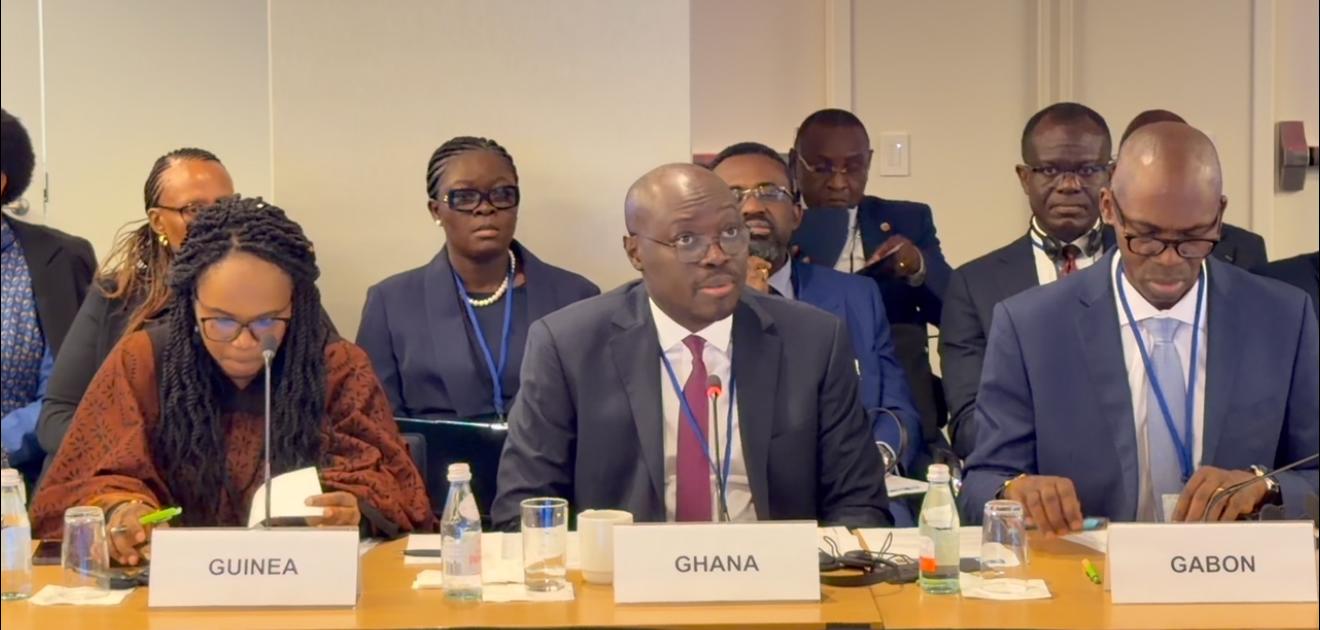

- Ghana’s recovery narrative gains prominence at IMF-World Bank Spring Meetings
Ghana’s economic recovery came under the spotlight at the ongoing IMF-World Bank Spring Meetings in Washington, where Finance Minister Dr Cassiel Ato Forson used a high-level African Fiscal Forum roundtable to present the country’s recent turnaround as evidence that African economies can emerge from crisis with stronger policy foundations.
Addressing the session on “Macro-Fiscal Developments and Outlook in Sub-Saharan Africa,” Dr Forson said Ghana’s experience over the past fifteen months showed that severe economic dislocation need not end in prolonged fragility, provided governments are prepared to pursue difficult but credible reforms.
His argument was rooted in numbers that, taken together, suggest a marked shift in Ghana’s macroeconomic trajectory. Real GDP growth rose to 6 per cent in 2025, from 5.8 per cent in 2024, while inflation slowed sharply from 23.8 per cent to 5.8 per cent over the same period, before easing further to 3.2 per cent in March 2026.
The currency story has been equally striking. Dr. Forson said the cedi appreciated by more than 40 percent against the US dollar in 2025, with gains extending into 2026, a turnaround that has helped reinforce the broader narrative of restored stability after the turbulence of 2022 and 2023.
On the fiscal side, he pointed to a strong improvement in Ghana’s primary balance, measured on a commitment basis and used as the government’s fiscal anchor. This moved from a deficit of 2.9 per cent of GDP to a surplus of 2.6 per cent in 2025. Public debt metrics have also improved faster than initially anticipated, with the debt-to-GDP ratio falling from 61.8 per cent to 45.3 per cent by the end of 2025.
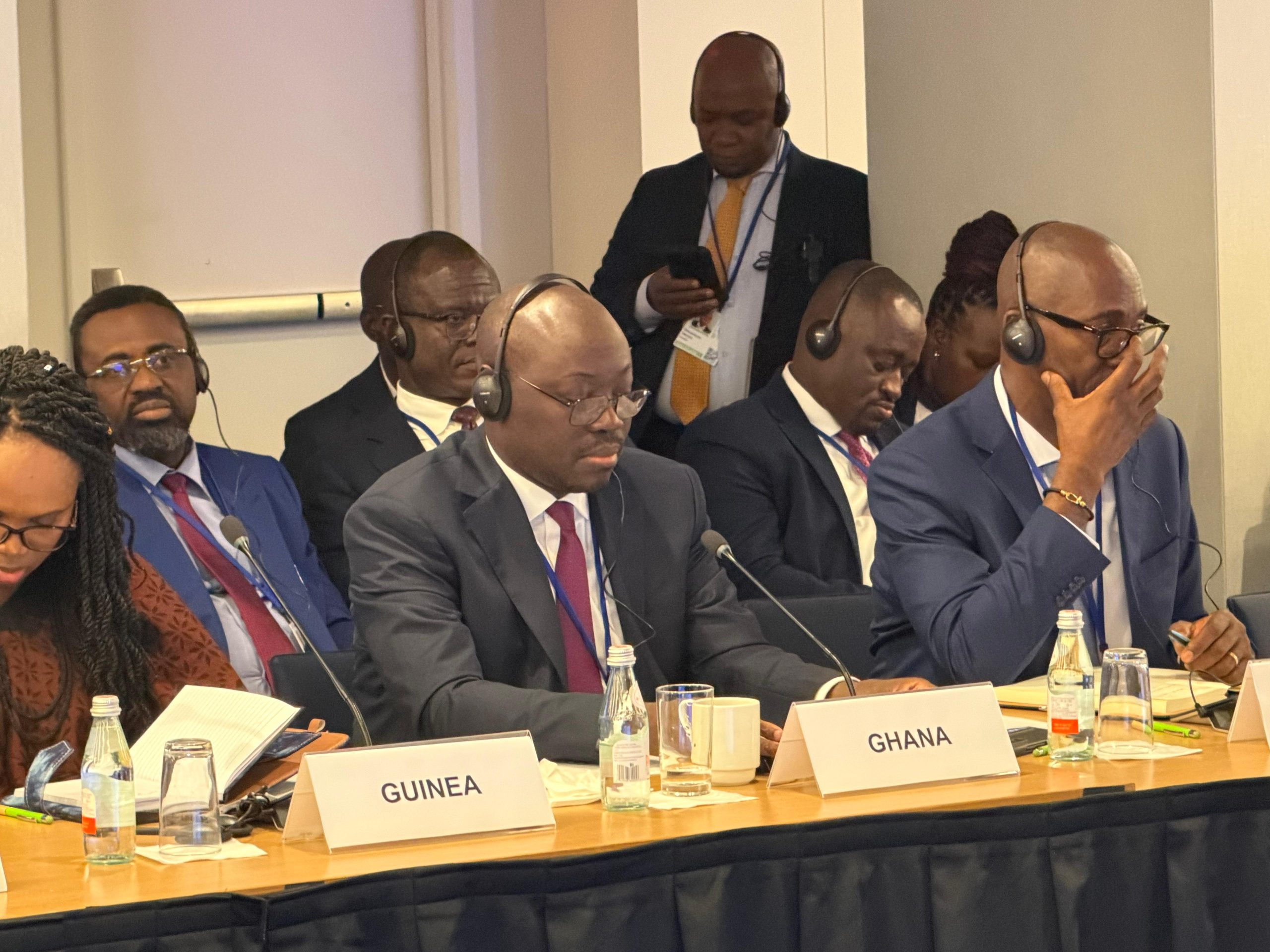
Dr Forson also said international reserves had strengthened to cover 5.8 months of imports, while policy credibility had been reinforced through stronger institutions and clearer fiscal rules. In his telling, the turnaround was not accidental, but the result of disciplined fiscal management and an effort to anchor economic policy in more credible institutions.
That matters because Ghana’s appearance in Washington is no longer framed only by crisis response. It is now increasingly about whether recent gains can be locked in and translated into a broader development phase. Dr Forson said the next stage of Ghana’s strategy would focus on agriculture, energy, education and infrastructure, sectors the government sees as central to consolidating stability and widening growth.
The significance of the presentation at the Spring Meetings lies not only in the data but also in the audience. With finance ministers, central bank governors and multilateral leaders gathered in Washington to assess the global outlook, Ghana’s recovery pitch is also a credibility test an effort to show that its reform story has moved beyond domestic messaging and into the realm of international policy recognition.
If sustained, the country’s recent progress could make Ghana one of the clearer examples of macroeconomic repair in a difficult global environment. But the deeper challenge, as always, will be whether stabilisation can now evolve into durable, inclusive growth.

