


Arsenal’s Financial Landscape: Recovery, Growth, and Challenges
The past five years have seen Arsenal undergo a remarkable transformation, both on and off the pitch. Once facing the specter of stagnation, the club is now reinvigorated, competing once again among the elite after years adrift in the competitive wilderness.
Financial Recovery
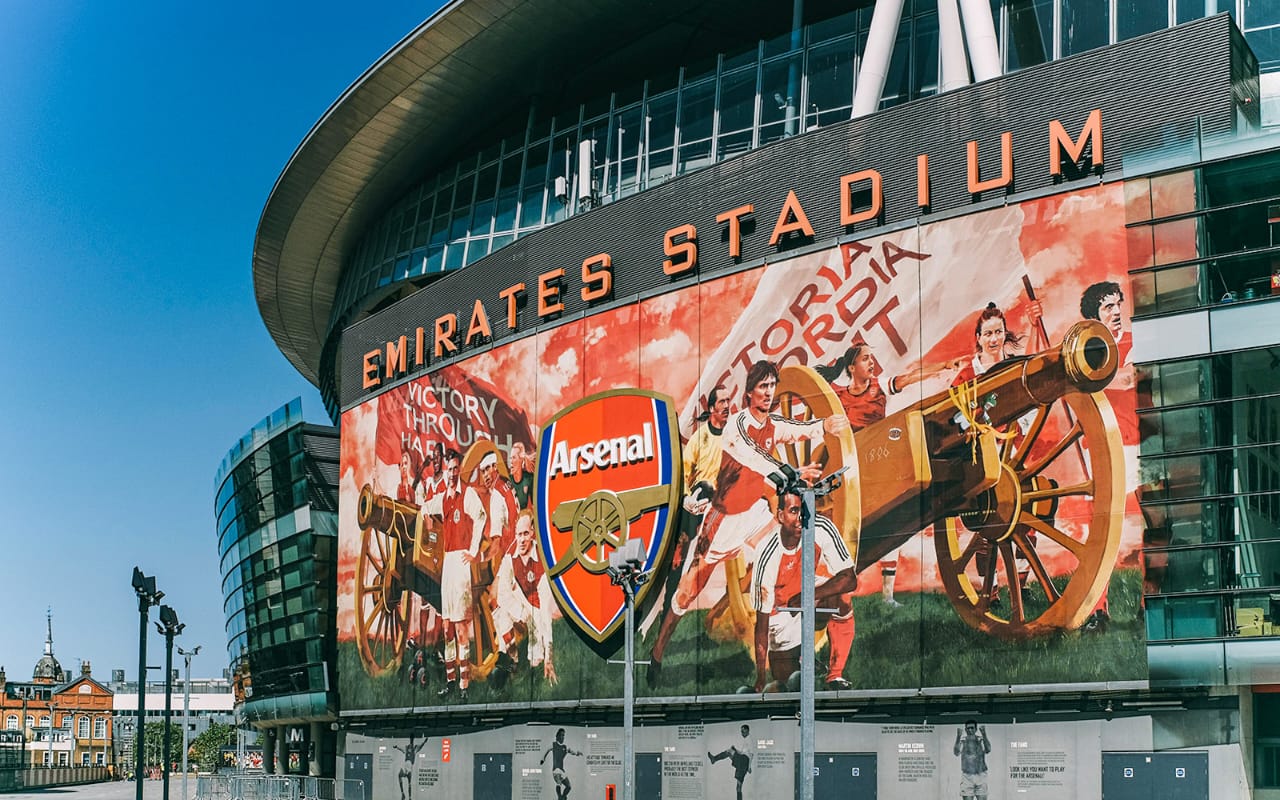
While elite football clubs’ finances are often detached from their on-field performance, Arsenal’s struggles coincided with a significant decline in financial stability. For five consecutive seasons around the turn of the decade, Arsenal’s revenue plummeted, ranking sixth in England and dropping out of the global top ten. The financial strain was exacerbated by the hefty costs associated with the Emirates Stadium, which hampered their ability to invest in players. Following Arsène Wenger’s departure and the loss of Champions League football, the club’s resurgence depended heavily on owner funding from Kroenke Sports & Entertainment (KSE).
Since KSE took full control of Arsenal in 2018, an impressive £335.5 million has been injected into the club, with £13.5 million contributed last season alone. However, this marked a drop from previous seasons, as soaring revenues allowed the club to rely less on external funding. Arsenal’s turnover soared to a record £691 million in the last financial year, positioning them third in England and seventh globally, although the presence of other clubs benefiting from lucrative deals hindered their climb.
On-field Performance and Financials
As Arsenal’s performance improved, the club’s financial health painted a more complex picture. While profitability was a hallmark between 2005 and 2018, recent losses have accumulated to £330 million over just a few years. Last season, they barely broke even with a loss of £1.3 million, significantly influenced by impairments in player value.
Despite these challenges, Arsenal’s revenues have surged, thanks in part to a record £272.8 million earned in broadcast income and progression to the latter stages of the Champions League. This financial rebound is vital, especially as TV rights deals continue to expand, ensuring that Arsenal remains competitive even with a higher debt burden.
Expanding Commercial Ventures
Under KSE’s ownership, Arsenal has greatly enhanced its commercial income, which has risen by 146% since 2017-18. This includes lucrative deals with Adidas and Emirates, contributing to an annual £263.2 million in commercial revenue, surpassing many Premier League clubs. Arsenal’s partnership with Adidas alone has generated £127 million, indicating the strength of their brand and commercial strategy.
However, increasing wage bills complicate matters. Arsenal’s staff costs recently rose to £346.8 million, reflecting a broader trend in football finances. The club is now positioned as the fourth-highest wage bill in England, but it continues to achieve quality results on the pitch, including a second-place finish in the Premier League and a run to the Champions League semi-finals.
The Future
As Arsenal strives to enhance its competitive edge, the focus on revenue growth is paramount. The introduction of UEFA’s squad cost rules (SCR) has shifted financial strategies, allowing clubs to prioritize generating income, even if margins are low. The club’s significant investment in players highlights a commitment to winning now.
Despite the financial hurdles, Arsenal’s recent strategies signal a clear intent to reclaim their position at the top of English and European football. With owner funding playing a crucial role, the next few seasons will be crucial in determining whether Arsenal can solidify their resurgence and financial stability while mounting a serious challenge for titles.

