


- Ghana Moves to Convert $8 Billion Remittance Flows Into Investment Capital
Governor of the Bank of Ghana, Dr Johnson Pandit Asiama, has said Ghana must move beyond treating remittances largely as household support and begin converting the country’s estimated $8 billion annual inflows into long-term productive investment.
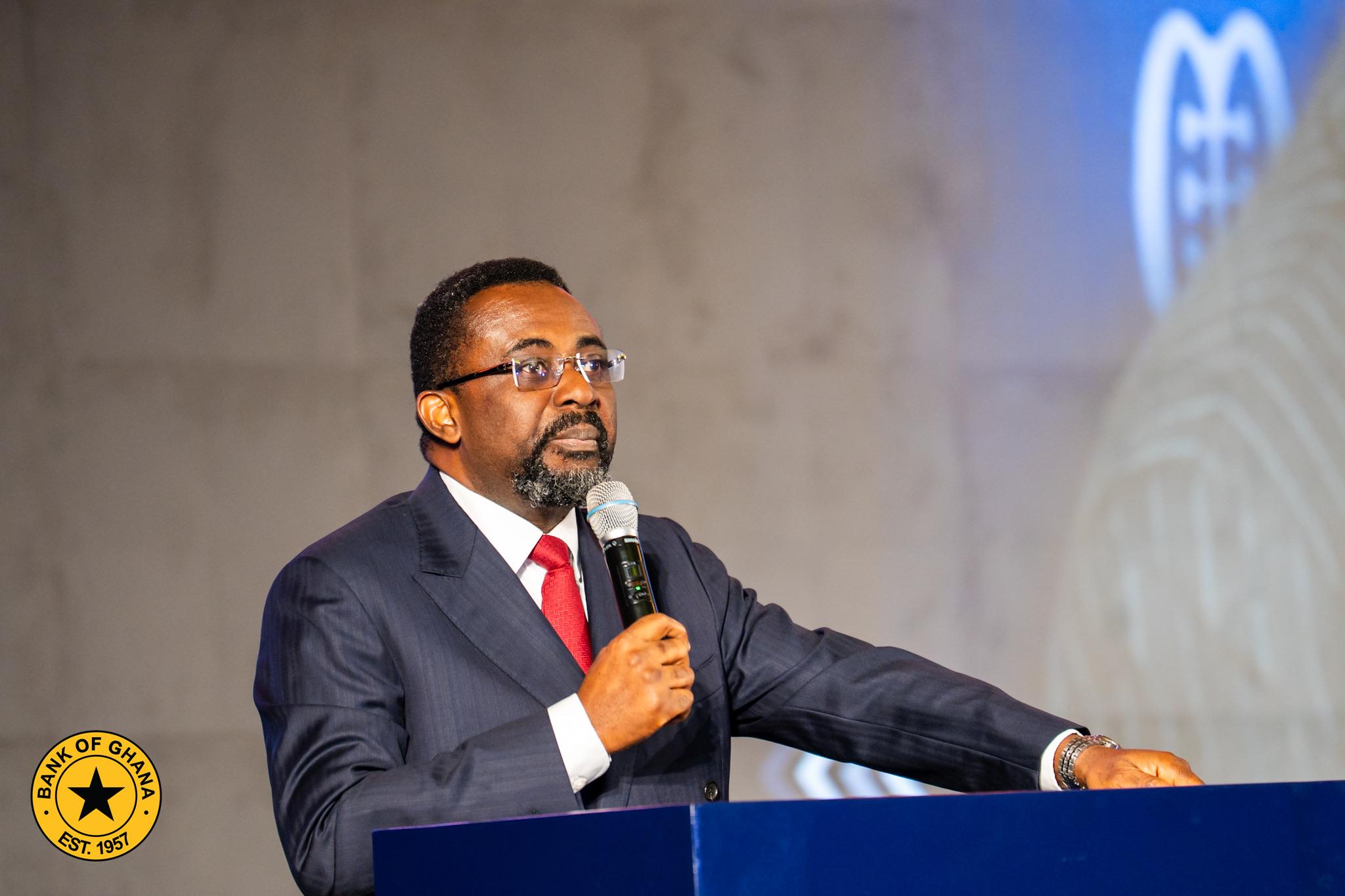
Speaking at the Ghana-UK Investment Summit, Dr Asiama said diaspora remittances remain one of Ghana’s most important foreign exchange sources, but their full economic potential has not yet been properly harnessed for capital formation, enterprise financing and national development.
The Governor said the challenge before Ghana is to build the right financial architecture to move remittance inflows from consumption support into structured investment vehicles capable of financing businesses, infrastructure, housing, small enterprises and other productive sectors.
According to Dr Asiama, Ghana’s improving macroeconomic conditions and expanding digital financial ecosystem provide an opportunity to rethink how diaspora funds are mobilised, retained and deployed within the domestic economy.
The Bank of Ghana, he said, is working with financial sector players to deepen the digital rails, regulatory systems and market infrastructure required to make such investment flows safer, more transparent and more efficient.
The Governor’s position reflects a broader shift in Ghana’s financial sector policy: payments are no longer merely the “back office” of finance but are increasingly becoming the entry point into formal financial services, credit creation and investment mobilisation. In a recent address, Dr Asiama noted that payment systems are becoming the “front door” of finance and the data layer on which broader financial decisions can be made.
Remittances have traditionally played a vital role in supporting household consumption, education, healthcare, housing and small family businesses. But policymakers are increasingly asking whether a portion of these flows can be channelled into more structured financial products, including diaspora bonds, investment funds, digital savings instruments and capital market products.
Dr Asiama’s message was that Ghana must create trusted platforms that allow the diaspora to invest in the economy without unnecessary friction.
The Governor suggested that if properly structured, remittances could become a more powerful pillar of Ghana’s development financing strategy, particularly at a time when government is seeking to reduce excessive dependence on external borrowing and deepen domestic capital mobilisation.
Such a strategy would require strong regulation, credible investor protection, transparent reporting and financial products that match the risk appetite of diaspora investors.
It would also require banks, fintechs, fund managers, securities market operators and regulators to work together to design products that are accessible, trusted and commercially viable.
The Bank of Ghana has already signalled that digital finance, payment interoperability and stronger regulatory architecture will be central to the next phase of financial market development. Dr Asiama has previously argued that innovation without credible regulation is fragile, while innovation embedded within strong regulatory systems can scale sustainably.
For the Ghanaian diaspora, the opportunity is clear: remittances can continue to support families, but they can also become a vehicle for wealth creation and national transformation.
If Ghana can convert part of its remittance flows into productive investment, it could strengthen foreign exchange liquidity, deepen the capital market, support small businesses, finance infrastructure and reduce pressure on public borrowing.
But the challenge will be execution.
The diaspora will not invest at scale simply because government or the central bank makes an appeal. They will require trust, convenience, returns, transparency and confidence that their money is being protected and used productively.
Dr Asiama’s intervention therefore places responsibility on Ghana’s financial system to build the instruments that can turn patriotic interest into bankable investment.
The central message from the Governor is that Ghana’s remittance economy must now mature.
The country cannot continue to receive billions of dollars annually from its citizens abroad without designing deliberate channels to convert part of those flows into factories, jobs, housing, exports and long-term capital.

