

- Parliament Receives Petroleum Levy Report as Government Moves to Address Energy Sector Transparency Concerns
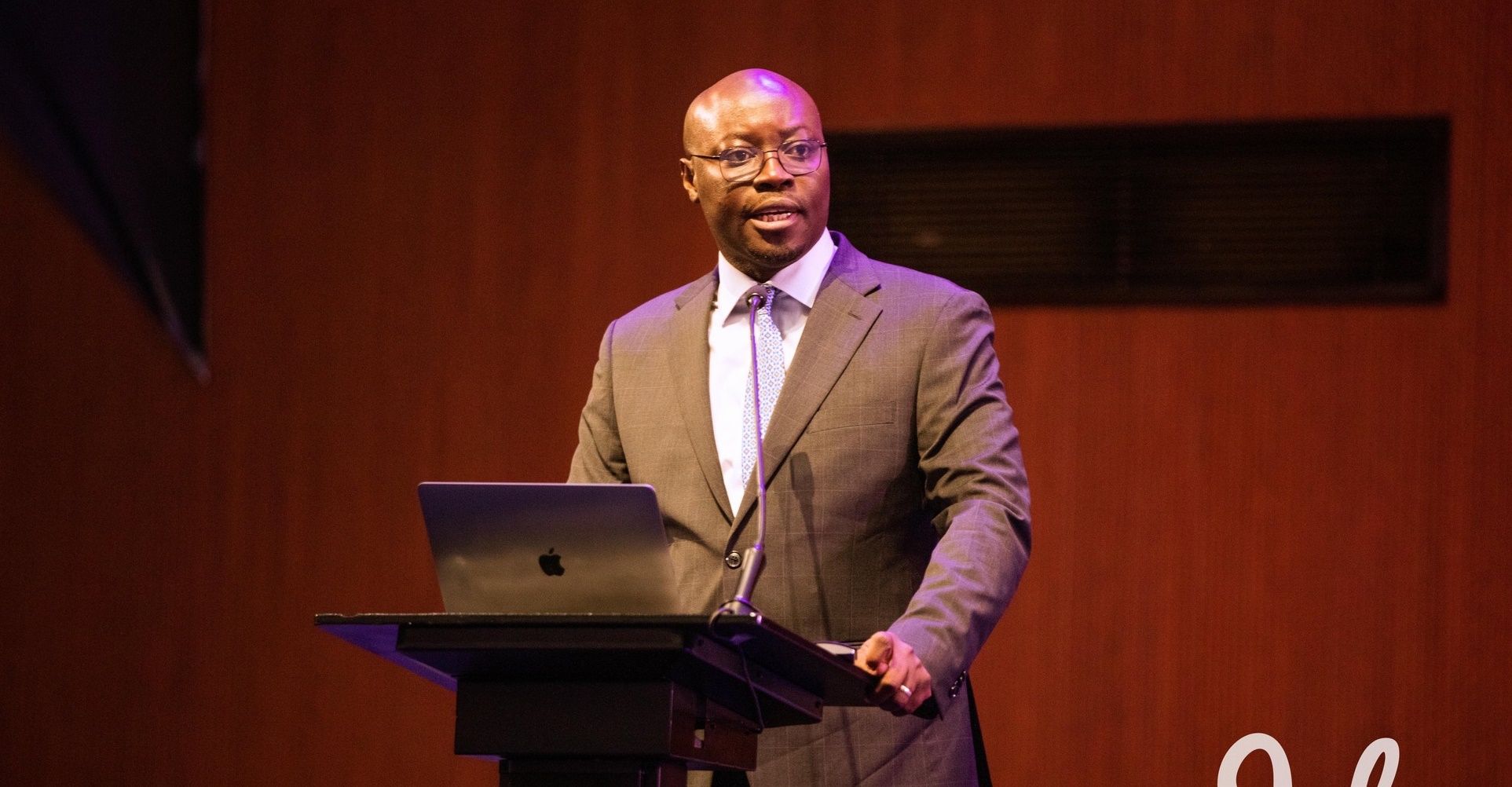
Finance Minister Dr Cassiel Ato Forson has laid before Parliament the annual report on the management of the Energy Sector Levies and Accounts for the 2025 financial year, following renewed calls from the Minority for greater transparency over the use of petroleum-related tax revenues.
The report details how revenues collected from petroleum taxes were received, accrued and utilised, particularly those linked to the management of energy sector debt recovery, according to the minister’s presentation to the House.
“The first one happens to be the annual report on the management of the energy sector levies and account for the year 2025,” Dr Forson told Parliament. “This report details how the monies received and accrued to the state on the back of all the petroleum taxes were utilised, particularly the one relating to the management of the energy sector debt recovery.”
He added that the details had been submitted to the relevant parliamentary committee for deliberation, signalling government’s readiness to subject the accounts to legislative scrutiny.
The presentation comes at a politically sensitive moment, with Ghana’s power sector facing renewed pressure over financing gaps, debt obligations, supply reliability and the cost of keeping the electricity system stable.
The Minority has in recent weeks demanded clarity on how revenues from petroleum-related levies have been applied, especially at a time when consumers continue to face high fuel-related charges while the energy sector remains burdened by legacy debts.
Dr Forson said the report had been presented to allow the committee to examine the details. He further indicated that ministry officials would appear before the committee when invited to provide additional explanations.
“And when the committee invites us, we’ll go and present the details,” he said.
The Energy Sector Levies framework was designed to raise dedicated revenue for resolving structural debts within the power sector, supporting energy sector accounts and helping stabilise payments across the electricity value chain.
However, the use of such dedicated revenues has often attracted political and public scrutiny, particularly when power sector arrears persist or when generation and distribution challenges intensify.
The laying of the report therefore goes beyond routine parliamentary procedure. It places before lawmakers a key accountability document at the centre of Ghana’s energy financing debate.
For Parliament, the report provides an opportunity to examine whether petroleum levy collections were used in line with their statutory purpose, whether allocations were properly accounted for, and whether the funds helped reduce sector liabilities.
For government, the submission is an attempt to demonstrate transparency at a time when public confidence in energy sector financial management remains fragile.
The scrutiny is particularly important because Ghana’s energy sector remains one of the major sources of fiscal risk. Payment shortfalls to independent power producers, distribution losses, subsidies, fuel supply obligations and legacy debts continue to place pressure on public finances.
Dedicated levies can help ease those pressures, but only if the collections are properly ring-fenced, transparently reported and applied to the purposes for which they were imposed.
The report is also expected to help clarify the link between petroleum tax revenues and power sector interventions. That connection has become increasingly important as consumers question whether fuel-related levies are delivering visible improvements in energy sector stability.
The parliamentary committee’s review will therefore be central to determining whether the 2025 levy collections were used efficiently and whether the energy sector accounts reflect prudent financial management.
The broader issue is one of trust. When citizens pay levies on petroleum products, they expect those revenues to address the structural problems for which they were introduced. If the sector continues to accumulate arrears, experience supply disruptions or require repeated government support, questions over the effectiveness of the levy regime become inevitable.
Dr Forson’s decision to lay the report before Parliament may help shift the debate from political claims to documentary evidence. But the real test will come when the committee interrogates the numbers, examines the allocations and assesses whether the funds made a measurable difference to energy sector debt reduction.
For Ghana’s energy sector, transparency is no longer optional. It is central to restoring confidence among consumers, power producers, investors and development partners.
The 2025 Energy Sector Levies report now gives Parliament the chance to test whether dedicated petroleum revenues are being used to stabilise the sector — or whether deeper reforms are still required to fix the financial weaknesses that continue to threaten Ghana’s power economy.

