


Importers Association Welcomes Ban on Land Transit of Rice, Sugar, Cooking Oil and Other Goods
The Importers and Exporters Association of Ghana (IEAG) has welcomed the directive by Cassiel Ato Forson, Minister for Finance, requiring that selected imported commodities be routed exclusively through the country’s seaports instead of land borders.
The directive, issued to the Ghana Revenue Authority (GRA) through its Customs Division, bans the land transit of several goods including rice, cooking oil, sugar, frozen products, flour, canned tomatoes, pasta, textiles and pharmaceutical products.
According to the Association, the policy represents a significant step toward addressing long-standing concerns about the abuse of Ghana’s land transit regime.
In a statement, the IEAG noted that for several years members of the trading community have raised concerns over the widespread exploitation of the transit system by certain operators and organised cartels.
It explained that some importers frequently declare goods as transit cargo destined for neighbouring countries but later divert them into the Ghanaian market without paying the required duties and taxes.
“This practice not only deprives the state of significant revenue but also creates unfair competition for compliant businesses that go through the legitimate importation process via the seaports,” the Association said.
The IEAG further indicated that the misuse of the transit regime is often accompanied by the systematic undervaluation and misdeclaration of goods, where operators falsify the value, quantity or classification of products entering the country through land borders in order to reduce their tax obligations.
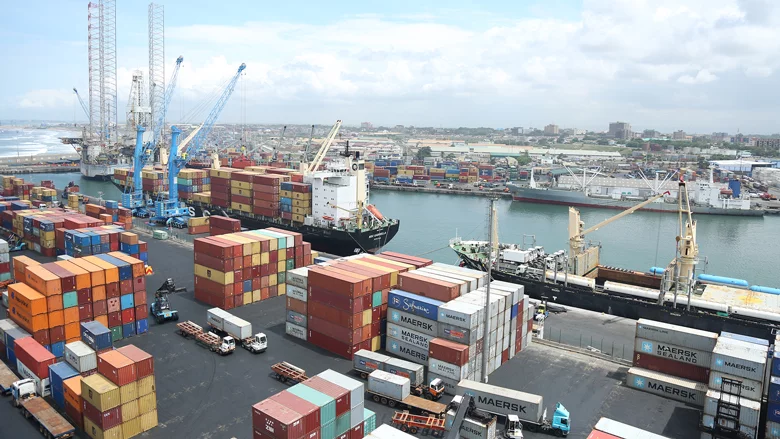
According to the Association, routing the affected commodities through Ghana’s seaports will enhance transparency and accountability in the customs clearance process.
It explained that the ports are equipped with more robust verification systems, including advanced cargo scanning technology, standardised valuation mechanisms and stronger inter-agency supervision, which help ensure accurate cargo declarations and the full payment of statutory duties.
The Association also welcomed government’s decision to recentralise the Customs Technical Services Bureau (CTSB), noting that the move will improve coordination in cargo valuation and strengthen customs intelligence capabilities.
It added that the integration of tools such as the Publican AI system will further enhance the ability of authorities to monitor suspicious trade patterns and detect irregularities within the importation process.
Despite its support for the directive, the IEAG expressed concern about the sustainability and consistent enforcement of such measures.
It observed that previous regulatory restrictions have sometimes failed to achieve their intended objectives due to weak enforcement and systemic lapses at the country’s borders.
For this reason, the Association urged government to complement the directive with stronger border security and monitoring mechanisms to prevent smuggling through unapproved routes.
The IEAG also suggested that authorities consider deploying military personnel to support and supervise border operations in order to strengthen enforcement and deter organised smuggling networks.
According to the Association, enhanced collaboration between customs authorities, national security agencies, port operators and the private sector will also be necessary to ensure strict compliance with the new directive.
The Association reaffirmed its commitment to supporting government initiatives aimed at strengthening trade governance, protecting national revenue and promoting a fair and transparent trading environment.
It added that effective implementation and sustained enforcement of the directive will help reduce revenue leakages, restore integrity to the importation process and create a level playing field for legitimate businesses operating in Ghana.

