


- Stakeholders Seek Stronger Protection and Grievance Systems for Migrant Workers
As Ghana reviews its labour migration and employment policies, government, employers, unions and civil society groups are urging stronger safeguards to prevent migrant workers from facing exploitation during recruitment and employment abroad.
The call followed a two-day workshop on gender and fair recruitment organised by the International Labour Organization, with support from German Development Cooperation through its Programme Shaping Development-Oriented Migration.
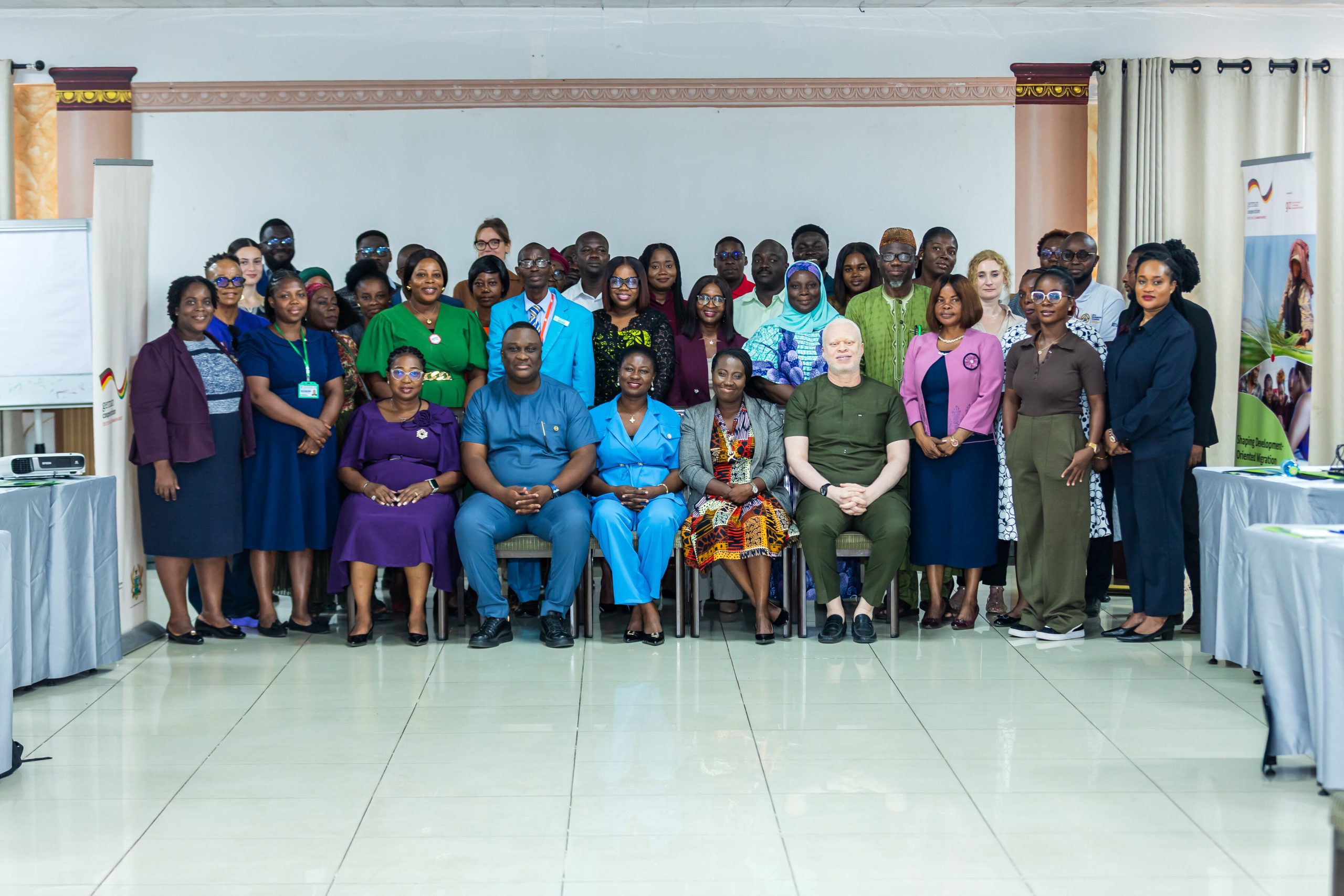
Held on October 29 and 30, the workshop brought together about 45 participants from government institutions, employers’ and workers’ organisations, recruitment agencies, development partners and civil society.
The discussions took place as Ghana reviews its National Labour Migration Policy, National Migration Policy and National Employment Policy.
That timing gives the recommendations a direct policy opportunity: participants argued that gender protection and fair recruitment should be built into the rules and systems guiding migration, rather than treated as separate concerns.
Labour migration can create jobs, build skills and improve livelihoods, but the risks are not evenly distributed. Women, particularly those entering domestic and informal work, remain more exposed to exploitative recruitment, abuse, discrimination and limited protection, the workshop heard.
Those vulnerabilities raise a central question for the policy reviews: how can Ghana ensure that the benefits of working abroad are not undermined by recruitment practices that leave workers with little information, support or recourse when problems arise?
The workshop’s emphasis on transparent pathways and stronger grievance mechanisms points to the need for protection that follows workers through the migration process.
Participants examined findings from a gender analysis of labour migration along the Ghana–Nigeria corridor to Gulf Cooperation Council countries and considered how the ILO Guidelines for Gender Equality in Fair Recruitment could be applied in Ghana.
The focus on recruitment is significant because the risks can emerge before a worker leaves the country.
If workers cannot access clear information or raise concerns through trusted channels, they may enter jobs without a sound understanding of their rights or where to seek help. The workshop called for stronger protection and grievance mechanisms, including for refugees and asylum seekers.
For Ghana’s policy reviews, the challenge will be to turn those broad calls into procedures that workers can actually use. A grievance mechanism must be accessible to people with different levels of income, language and access to information.
Protection also depends on coordination among the institutions and organisations involved in recruitment, employment and migration. The workshop release did not set out a detailed implementation plan, leaving the next stage to policymakers and stakeholders working on the reviews.
The demand for better gender-disaggregated data is another practical test. Without information that distinguishes the experiences of women and men, policymakers may struggle to identify where risks are concentrated or whether protections are working.
Better data could help guide policy decisions and make it easier to assess whether recruitment systems are delivering safer outcomes.
David Nii Addy, speaking on behalf of the GIZ-MEG Programme Director, said the workshop came “at a critical policy moment for Ghana”.
He said the discussions and recommendations could help strengthen gender-responsive labour migration governance and fair recruitment practices.
Austin Erameh, the ILO’s Employment and Migration Officer in Abuja, representing the Director of the ILO Country Office, Abuja, said placing gender at the centre of migration governance could help protect workers and promote safe, orderly and inclusive migration.
Harriet Botchway, Head of the Gender and Child Protection Department at the Trades Union Congress Ghana, said fair recruitment and safe migration pathways were essential to protect workers from exploitation and ensure migration brings “opportunities, dignity and economic empowerment for all”.
The speakers’ comments point to a shared responsibility across institutions and sectors. At the workshop’s conclusion, participants said progress depended on cooperation among government, employers, workers’ organisations, recruitment agencies, civil society, diaspora actors, development partners and the media.
That broad coalition matters because no single institution can oversee every stage of labour migration.
Government can establish policy and regulatory frameworks; recruitment agencies shape access to overseas work; employers influence conditions on the job; unions and civil society can help workers understand and exercise their rights.
The media can also contribute to public awareness, though the workshop did not specify a formal role or programme for it.
The central policy question is whether the three reviews can convert those responsibilities into a system with clear standards and accountability.
A policy that recognises gender-based risks but does not provide workers with accessible protection may have limited effect. Similarly, gathering data will matter only if it informs decisions and helps institutions identify failures.
Ghana’s migration policies must also account for people whose circumstances can leave them especially exposed. The call to include refugees and asylum seekers in stronger grievance and protection arrangements widens the policy challenge beyond conventional labour migration channels. It implies that support systems need to be designed with varied legal and employment situations in mind.
The workshop did not announce new rules or a timetable for adopting reforms. Its significance lies in the window it opens: recommendations are being made while national policies are under review, giving authorities and stakeholders an opportunity to incorporate fair recruitment and gender equality into the framework before those processes are complete.
The measure of progress will be whether safer and more transparent pathways become part of how recruitment is organised and monitored, and whether workers can access help when those protections fail.
As Botchway’s remarks suggest, migration’s economic promise is inseparable from the conditions under which people move and work. For women in domestic and informal jobs, stronger policy commitments will matter most if they translate into practical protection, access to remedies and respect for their rights and dignity.

