


- 2027 Proposal Would Cut Gold Purchase Prices for Small-Scale Miners by 3.00%
Ghana wants to make its gold reserve accumulation programme cheaper. The proposed method is to buy gold from small-scale miners at a discount that would reduce the cost of building foreign exchange reserves from 5.00% in 2026 to 2.00% in 2027.
For the state, the case is straightforward: lower the cost of acquiring gold and retain more of the foreign exchange generated by the programme.
For small-scale miners, the proposal raises a different question: how much of that saving will come from a lower price for their gold—and whether the official market will remain attractive enough for them to keep selling through it.
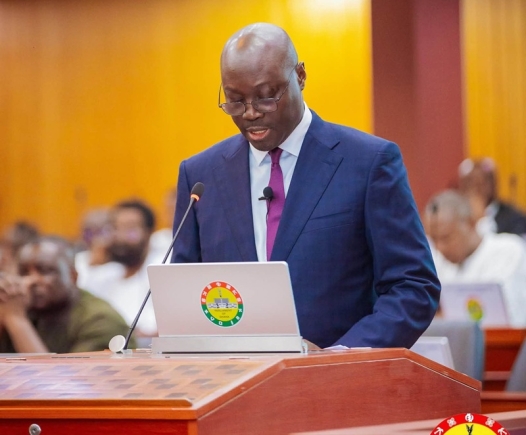
Finance Minister Dr Cassiel Ato Forson announced a proposed 3.00% discount on small-scale gold purchases from 2027. He asked the National Association of Small-Scale Miners and the Licensed Gold Buyers Association to support the change, saying it would help reduce the cost of accumulating reserves.
“Together, Mr Speaker, we can build stronger reserves at a lower cost and ensure that Ghana’s gold delivers lasting benefit for our people,” he told Parliament.
The proposal is part of a broader effort to reduce the cost of the programme. The government says that cost fell from 16.00% in 2025 to 5.00% in 2026, and aims to lower it to 2.00% next year. The reduction is substantial on paper.
But any assessment of its success will have to consider not only the state’s lower costs, but also the price miners receive, the volume of gold that passes through official channels and the foreign exchange ultimately retained.
That balance is not new. GoldBod has previously defended buying small-scale gold at prevailing spot prices, arguing that competitive prices help draw miners into formal trade and deter smuggling.
The National Association of Small-Scale Miners, meanwhile, proposed a 2.00% discount for licensed buyers earlier this year as part of wider recommendations on pricing and licensing.
The government’s proposed 3.00% discount is therefore arriving in a market where the price offered has already been recognised as a tool for competing with informal channels.
The distinction matters because gold does not have to cross an international border to leave the formal system. If miners believe that unlicensed buyers, traders or cross-border routes offer better returns, a lower official purchase price could weaken the incentive to declare and sell gold through authorised channels.
That is a risk to monitor, not an inevitable outcome: the effect will depend on the final pricing formula, how consistently it is applied and what alternatives miners can access.
A discount also does not automatically mean that every miner will receive precisely 3.00% less than before. The budget announcement sets out the proposed reduction in purchase pricing, but the detailed benchmark, applicable fees, assay adjustments and treatment of licensed buyers will shape the actual proceeds.
Those terms need to be published clearly before the change takes effect. Otherwise, miners may struggle to distinguish the policy discount from other deductions or price movements.
The reserve programme’s costs have also attracted scrutiny. An assessment of Ghana’s programme identified service fees, assay charges, trading margins, off-taking costs and foreign exchange pricing differences as contributing factors. It reported a programme cost of 11.70% in the first quarter of 2026 against a 5.00% target and called for further measures to reduce costs and contain fiscal risks.
That comparison makes transparency central to the new proposal. A lower purchase price could reduce one part of the cost chain, but the public will need to see whether the overall cost actually falls to the 2.00% target. Regular reporting should explain how the cost is calculated, what it includes and how much foreign exchange is retained after operating and transaction expenses.
The government’s wider objective is to ensure that gold exports contribute more reliably to reserves and support the cedi.
The Finance Minister said small-scale gold exports were increasing foreign exchange supply and strengthening reserves.
The trade-off is that the programme depends on continuing to attract miners’ output. If official buyers save money per ounce but lose volume because sellers shift elsewhere, the saving may be offset by reduced official purchases and lower recorded exports.
That is why the proposal should not be assessed solely as a pricing adjustment. It is also a test of GoldBod’s ability to formalise a complex supply chain while maintaining trust among miners, licensed buyers and the public.
Predictable prices, prompt settlement, credible weighing and assay processes, and transparent buyer rules can influence whether miners choose official channels.
If those functions are strong, the market may be able to absorb a lower price more readily. If they are weak, the discount could amplify existing doubts.
The industry groups’ response will be important, but consultation should produce more than an endorsement. Miners need to understand how the discount affects their incomes at different gold prices and production costs.
Licensed buyers need clarity on their margins and obligations. The government should be able to show how the new terms will reduce programme costs without undermining formal trading volumes.
Ghana’s gold reserve strategy was designed to strengthen external buffers. That aim remains compelling, particularly when the country needs dependable sources of foreign exchange.
But the mechanism has to be financially sustainable and commercially credible. A programme that accumulates reserves at a lower cost but pushes transactions away from official channels may not deliver the intended result.
The 3.00% proposal is therefore a test of where the cost of reserve accumulation should sit. If the state’s target is achieved through operational efficiency and clearer pricing, the programme could become more sustainable.
If the savings depend mainly on miners accepting a lower return, the government will have to demonstrate that the formal market remains competitive and that the country is not trading lower costs for weaker participation.
The goal is not simply to buy gold more cheaply. It is to ensure that Ghana captures more value from the gold it produces, channels it through accountable systems and retains the foreign exchange the country set out to secure.

