

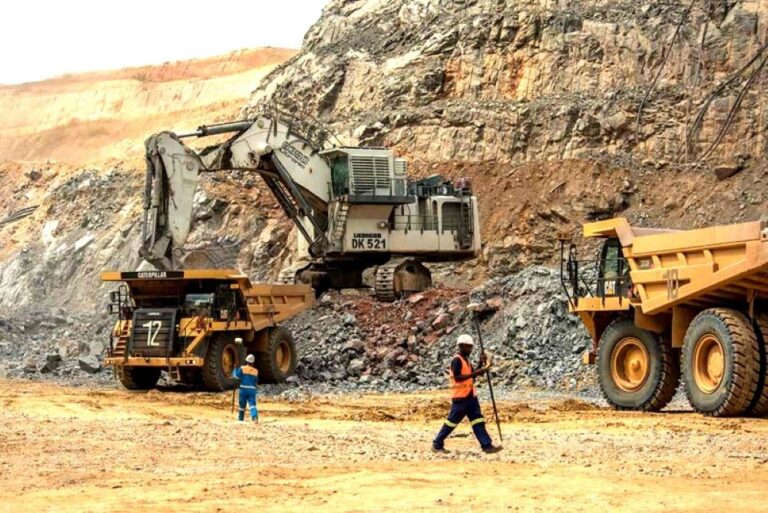

- Burkina Faso Pushes to Raise Stake in Kiaka Gold Mine to 40 Per Cent
Burkina Faso is seeking to increase its stake in the Kiaka gold mine from 15 per cent to 40 per cent, in one of the clearest signs yet of the country’s drive to deepen state control over its mining sector. The move, directed at West African Resources Limited’s Kiaka project, follows new mining legislation introduced in 2024 and a government decree adopted by the Council of Ministers under the military-led administration of Captain Ibrahim Traoré.
The Kiaka mine has quickly become one of Burkina Faso’s most closely watched new gold assets.
Business Insider Africa reports that the mine began production in 2025, with its first gold pour taking place in June that year, just three and a half years after West African Resources acquired the project.
The project was acquired in November 2021 when B2Gold Corp. and its partner, GAMS-Mining F&I, sold 90 per cent of the Kiaka Gold Project to West African Resources, with the Burkina Faso government holding the remaining 10 per cent.
West African Resources later aligned its ownership structure with Burkina Faso’s 2024 Mining Code. In August 2025, the government’s free-carried interest in the operating subsidiaries covering Sanbrado, Kiaka and Toega increased from 10 per cent to 15 per cent, reducing West African Resources’ stake from 90 per cent to 85 per cent.
That adjustment resulted in West African Resources recording the five per cent equity transfer to Burkina Faso as a $33.4 million decrease in retained profits and a corresponding increase in non-controlling interest, according to the report. But the government now appears to want more.
A draft decree authorising the state to purchase an additional 25 per cent equity stake in Kiaka SA was discussed by Burkina Faso’s Council of Ministers on February 19, 2026. By April 2026, West African Resources had been informed that the government intended to raise its ownership in Kiaka from the previously agreed 15 per cent to 40 per cent.
Following the disclosure, the company suspended trading in its shares on the Australian Securities Exchange, underlining the sensitivity of the matter for investors. The push comes after Kiaka delivered early production momentum.
According to the report, Kiaka produced 95,155 ounces of gold in 2025 from 3,914 kilotonnes of ore, with an average head grade of 0.8 grams per tonne and recovery of 91.3 per cent. The mine also recorded 148,946 ounces of gold from 6,606 kilotonnes of ore at an average grade of 0.7 grams per tonne.
For Burkina Faso, the demand for a larger stake reflects a broader strategy to capture more value from its mineral resources at a time when gold prices remain high and governments across Africa are under pressure to ensure citizens benefit more directly from extractive projects.
The country reportedly recorded a historic 94 tonnes of gold output in 2025, driven by mining sector reforms, stronger state oversight and a renewed push for resource sovereignty.
For investors, however, the Kiaka case raises difficult questions about regulatory certainty, contract stability and the balance between host-country ownership ambitions and private capital protection.
Mining companies typically accept state participation, royalties and taxes as part of operating in resource-rich jurisdictions. But sudden attempts to significantly increase state equity after a project begins production can unsettle investors, particularly when they affect assets that have already attracted substantial exploration and development capital.
The issue is not whether African governments should seek greater value from their minerals. That question has largely been settled by public pressure, fiscal need and the political economy of resource ownership.
Burkina Faso’s move therefore places the Kiaka mine at the centre of a wider continental debate: how far can resource nationalism go before it begins to raise the cost of capital?
The outcome of the Kiaka dispute will be watched closely across Africa’s mining sector, especially by governments seeking a bigger share of mineral wealth and investors assessing whether the rules of the game remain predictable after production begins.

