

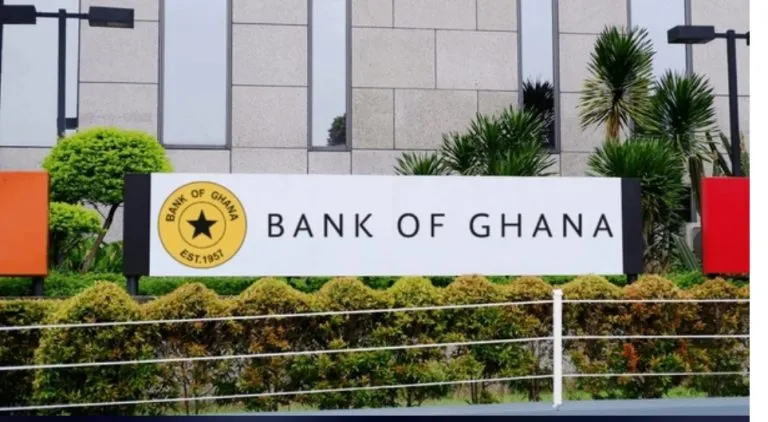

BoG Ties Renewal of Bank’s FX Trading Licences to Stronger Compliance and Internal Controls
The Bank of Ghana (BoG) has cautioned Licensed Dealer Banks that the renewal and continued validity of their Foreign Exchange Trading Licences will be conditional on sustained compliance with regulatory requirements and robust internal control standards.
In a directive to the banks, the Central Bank stressed that institutions must, at a minimum, demonstrate the effective implementation and consistent enforcement of key control measures governing foreign currency transactions.
These include the adoption of strong verification protocols for all foreign currency transfer instructions, incorporating multi-layered authorisation processes and comprehensive customer identification and validation procedures.
Banks are also required to maintain a clear segregation of duties among officers involved in the initiation, processing, approval and execution of foreign currency transactions, as a safeguard against operational risks, including fraud.
Additionally, foreign currency transactions must be subjected to appropriate Anti-Money Laundering and Combating the Financing of Terrorism (AML/CFT) checks, with suspicious activities promptly reported to the relevant authorities.
The BoG further expects banks to conduct periodic internal audits to assess compliance with foreign currency transfer procedures and to implement regular training and capacity-building programmes to ensure that frontline, operations and back-office staff remain fully conversant with regulatory obligations and internal processes.
The Central Bank warned that failure to comply with these directives constitutes a breach of prudential and foreign exchange regulations and could attract sanctions under the Banks and Specialised Deposit-Taking Institutions Act, 2016 (Act 930) and the Foreign Exchange Act, 2006 (Act 723).
According to the BoG, recent supervisory examinations and market surveillance activities have uncovered material weaknesses, lapses and inconsistencies in the internal control frameworks governing the initiation, processing and reporting of foreign currency transfers at some Licensed Dealer Banks.
The identified deficiencies, it noted, have heightened operational and reputational risks, increased exposure to fraud and financial crime, and undermined the integrity and orderly functioning of Ghana’s foreign exchange market.
Reiterating its statutory mandate to safeguard financial system stability, the Bank of Ghana directed all Licensed Dealer Banks to strengthen and strictly adhere to their established internal control frameworks for managing both inward and outward foreign currency transfers.
The Central Bank said it expects the full cooperation of all affected institutions to ensure strict compliance with the directives in order to preserve the credibility, integrity and stability of Ghana’s financial system.

