


- Africa’s Fiscal Dilemma: IMF Backs Consolidation Without Abandoning Vulnerable Households
African governments should combine medium-term fiscal consolidation with temporary, targeted income support for vulnerable households as rising food and energy prices deepen hardship across the continent, according to the International Monetary Fund.
The Fund said improving expenditure quality and strengthening revenue collection would be essential if governments were to reduce debt without transferring a disproportionate share of the adjustment burden to ordinary citizens.
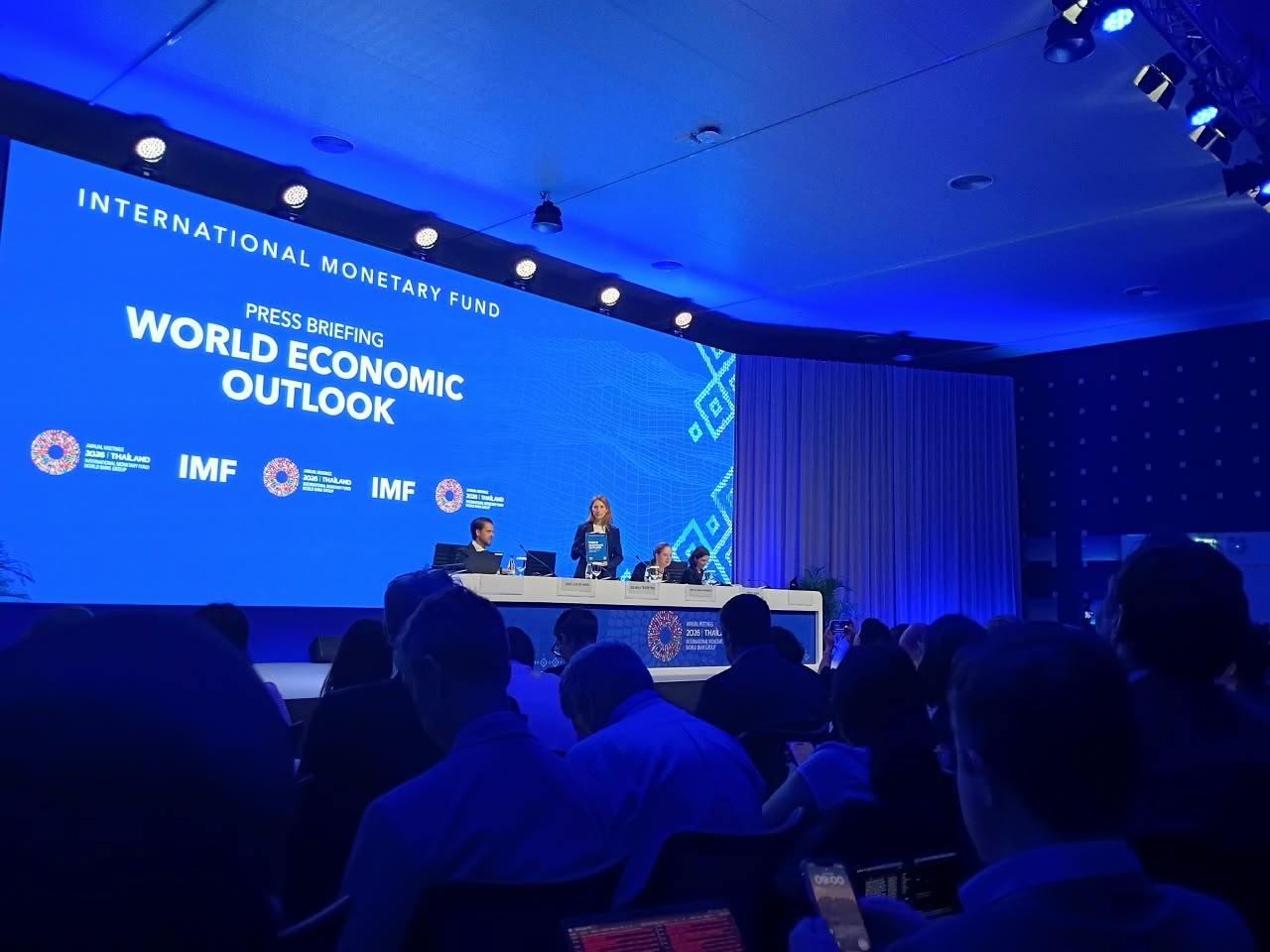
The policy recommendation followed a question from a journalist during a World Economic Outlook briefing on how African governments could place public debt on a sustainable downward path while addressing poverty, protecting vulnerable populations and preserving investor confidence.
The question captured the central economic dilemma facing many Sub-Saharan African countries. Governments need to narrow deficits, contain debt and rebuild credibility, but aggressive spending cuts or poorly designed taxes can intensify poverty and weaken the public support required to sustain reform.
The IMF acknowledged that policymakers must balance immediate inflation pressures with medium-term macroeconomic stability. Food and energy security should remain central because prices for these essentials can rise more rapidly than the broader household consumption basket.
When that happens, headline inflation figures can understate the pressure felt by low-income households. Poorer families typically spend a larger proportion of their earnings on food, transport and energy, leaving them with fewer options when prices increase.
“What we’re advocating for is cash transfers, income support, targeted temporary income support for the most vulnerable households,” an IMF official said.
Nigeria was presented as an example of the trade-offs involved. Economic growth has remained relatively resilient because the country is an energy exporter, but poverty remains high and households continue to face severe food-security pressures.
The apparent contradiction matters. A country can record positive gross domestic product growth while large sections of its population experience declining purchasing power. Growth driven by energy exports does not automatically translate into affordable food, employment or improved household welfare.
Targeted cash transfers could help close that gap by placing support directly in the hands of vulnerable households. Properly designed transfers can protect basic consumption without creating the fiscal cost and market distortions associated with universal subsidies.
Their effectiveness, however, depends on accurate social registers, reliable identification systems and payment infrastructure capable of reaching intended beneficiaries. Weak targeting can exclude households in genuine need while allowing benefits to reach people who are comparatively better placed.
Temporary support must also be sufficiently large and timely. A transfer delivered after a household has withdrawn a child from school, sold productive assets or reduced meals may arrive too late to prevent long-term damage.
The IMF linked immediate protection to a medium-term fiscal strategy built on two pillars: higher-quality public expenditure and improved revenue collection.
Improving expenditure quality means more than reducing spending. It requires governments to redirect limited resources from waste, inefficient subsidies and low-return projects towards healthcare, education, infrastructure and programmes that strengthen productive capacity.
For African governments, this distinction is crucial. Fiscal consolidation based mainly on cutting development expenditure may improve the deficit temporarily while weakening the economy’s future capacity to grow and generate revenue.
Stronger revenue collection must similarly focus on efficiency and fairness. Governments need to widen tax compliance, reduce leakages and improve administration before repeatedly increasing rates on workers and formal businesses already carrying much of the burden.
Nancy’s question also raised the role of monetary policy. Although the IMF response concentrated mainly on fiscal measures, the challenge requires coordination between finance ministries and central banks.
Central banks must preserve price stability and prevent temporary price shocks from becoming entrenched in expectations. Yet excessive tightening can increase borrowing costs, constrain credit and weaken employment, particularly where inflation originates from imported fuel or food shortages rather than excessive domestic demand.
Fiscal authorities can reduce that pressure by protecting vulnerable households directly instead of relying on monetary policy to address every consequence of a supply shock. Targeted support allows central banks to concentrate on inflation while limiting the social damage of necessary adjustment.
Investor confidence also depends on more than rapid deficit reduction. Investors assess whether reforms are politically sustainable, whether debt trajectories are credible and whether institutions can implement policies consistently.
An adjustment programme that produces widespread hardship without visible improvements may trigger resistance, reversals and instability. Protecting vulnerable citizens is therefore not separate from restoring confidence; it can be a condition for maintaining reform.
The IMF’s answer ultimately rejects the notion that African governments must choose between fiscal responsibility and social protection. The Fund’s proposed balance is disciplined but targeted: temporary transfers for immediate hardship, better spending choices and stronger revenue systems for long-term stability.
If they succeed, fiscal consolidation can become a transition towards stronger institutions and more resilient economies. If they fail, debt reduction may be achieved on paper while the cost-of-living crisis deepens for the citizens reforms are supposed to protect.

