


- Algeria Shuts Airspace to UAE Aircraft as Gulf–North Africa Rivalry Deepens
Algeria has closed its airspace to most civilian and military aircraft registered in the United Arab Emirates after severing diplomatic relations with the Gulf state, escalating a long-running political dispute into aviation and raising broader questions about the future of Gulf influence, investment and commercial ties in North Africa.
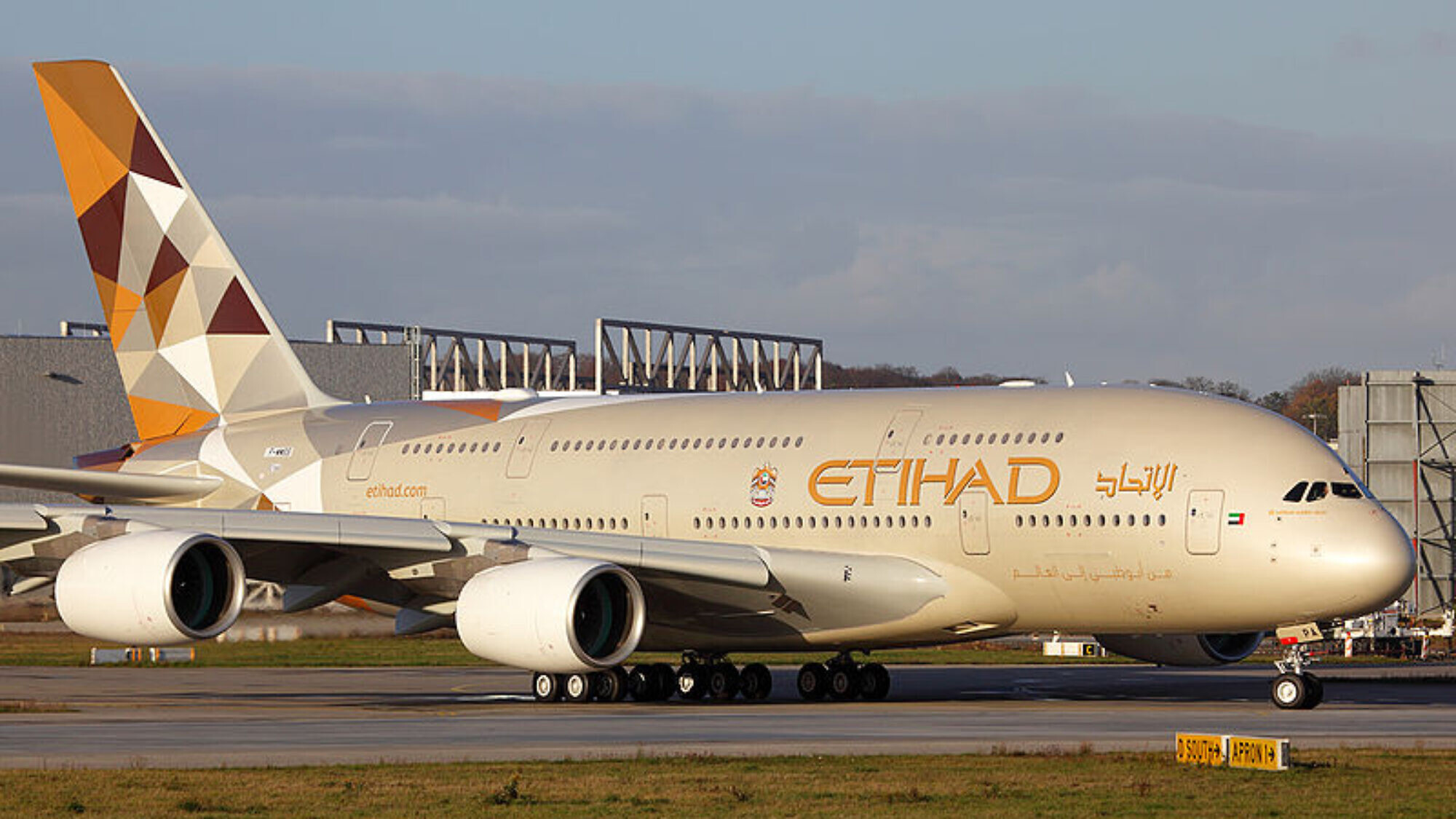
The Algerian Ministry of National Defence said the restriction took effect at midnight on September 11, a day after Algiers formally announced the rupture in diplomatic relations. The ban applies to UAE-registered civilian and military aircraft arriving from or departing for the Emirates.
Commercial civilian flights serving Houari Boumediene International Airport in Algiers have, however, been temporarily exempted until the end of 2026, limiting the immediate disruption to passenger traffic and making the measure more politically significant than commercially disruptive in the short term.
The exemption is important because Algeria had already begun dismantling the aviation framework underpinning bilateral services months before the diplomatic break.
In February, Algiers formally initiated procedures to terminate the air-services agreement signed with the UAE in 2013. The agreement remains subject to a notice period, meaning scheduled services did not immediately stop when Algeria began the termination process. Emirates subsequently said its final scheduled flight from Algiers was expected in February 2027.
The latest measure therefore represents an acceleration of an already deteriorating relationship rather than a sudden aviation dispute.
Algeria said it severed diplomatic ties after “exhausting all means” of preserving bilateral relations and accused the UAE of repeated provocative or hostile conduct. Abu Dhabi has expressed hope that the rupture will prove temporary.
The disagreement reflects a much wider strategic divergence between one of North Africa’s most influential states and one of the Gulf’s most active political and commercial powers.
Algeria and the UAE have increasingly found themselves on different sides of regional questions involving Western Sahara, Morocco, Israel, Libya and the Sahel. Algeria supports the Polisario Front’s claim to Western Sahara and remains one of Morocco’s principal regional rivals, while the UAE has developed close political and economic relations with Rabat. Algiers also opposes normalisation with Israel, in contrast to the UAE, which established diplomatic relations with Israel under the Abraham Accords.
Algerian officials and media have also repeatedly accused Abu Dhabi of interfering in the country’s domestic affairs and supporting regional actors whose interests conflict with Algeria’s strategic position. The UAE has not accepted those allegations.
What makes the rupture economically important is that Gulf engagement in Africa increasingly extends far beyond traditional diplomacy.
UAE companies, sovereign investors, airlines and logistics groups have become influential actors across African ports, aviation, energy, mining, telecommunications, real estate and financial services. Gulf states have also become increasingly important sources of capital at a time when African governments are seeking alternatives to expensive Western financing and greater competition among international investors.
Algeria’s decision therefore tests the limits of the proposition that large commercial relationships can remain insulated from geopolitical rivalry.
For aviation, the immediate economic damage appears contained because of the temporary exemption for commercial passenger services to Algiers. But the direction of policy is clear: aviation links, once treated principally as commercial infrastructure, have become part of the diplomatic dispute.
That matters because airlines are more than transport companies in modern Gulf foreign policy. They support tourism, business travel, trade and investment flows while connecting African capitals with global commercial centres through Dubai and Abu Dhabi.
Any sustained deterioration in aviation connectivity can therefore carry consequences beyond passenger numbers. It can increase travel times, reduce cargo options and make business links more cumbersome.
Diplomatic ruptures do not automatically eliminate commercial relations, particularly where private companies have existing contracts and assets. But political uncertainty changes risk calculations. Investors considering long-term projects must now assess whether regulatory treatment, licensing, capital flows or bilateral arrangements could become caught in the wider political dispute.
The episode also comes as Gulf states compete more aggressively for influence across Africa.
The UAE has expanded its commercial and diplomatic footprint across the continent, while Saudi Arabia, Qatar and other Gulf powers have increased investment and political engagement. African governments have generally welcomed that competition because it broadens access to capital and infrastructure partnerships.
Algeria’s confrontation with Abu Dhabi demonstrates, however, that Gulf engagement is not politically neutral. Investment relationships increasingly operate alongside disputes over security, military influence, political alliances and regional leadership.
North Africa is particularly sensitive because Algeria and Morocco are already locked in a strategic rivalry that shapes relations across the Maghreb and Sahel. The UAE’s close relationship with Morocco therefore carries implications for how Algeria interprets Emirati activity elsewhere in the region.
For Abu Dhabi, the challenge is balancing commercial expansion with political relationships that can conflict with one another. For Algeria, the challenge is protecting what it sees as its strategic autonomy without unnecessarily raising the economic cost of confrontation.
The relatively narrow design of the current aviation restriction may reflect that calculation. By exempting commercial civilian flights to Algiers until the end of the year, Algeria has sent a strong political signal while avoiding an immediate shutdown of all passenger connectivity.
Whether that restraint continues will depend on the trajectory of the diplomatic dispute.
If relations remain frozen, the expiry of existing aviation arrangements could produce more visible commercial consequences from 2027. A further escalation could also affect the broader business environment surrounding Emirati activity in Algeria.
For Africa, the episode carries a wider lesson. Gulf capital has become an increasingly important part of the continent’s investment landscape, but capital does not travel independently of politics. As Middle Eastern powers deepen their economic presence, African states will increasingly have to manage the intersection between investment, strategic alignment and sovereignty.
Algeria’s airspace decision is therefore about more than aircraft registration. It is an early indication of how quickly a geopolitical disagreement can move into commercial infrastructure and a reminder that the expanding Africa–Gulf economic relationship will increasingly be shaped not only by the availability of capital, but by the political conditions attached to the relationships behind it.

