


- Nigeria Parliament Boycotts South Africa Events as Xenophobic Attacks Strain Relations
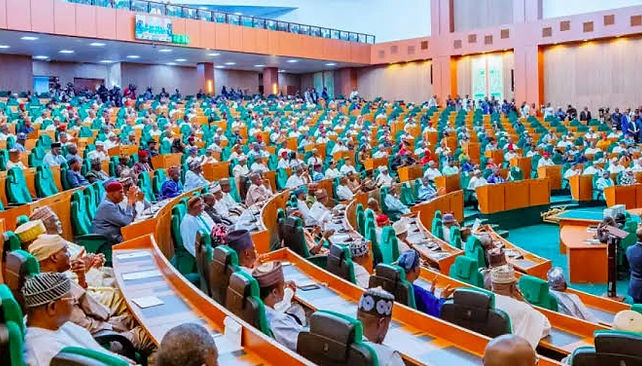
Nigeria’s parliament has suspended official visits to South Africa and ordered lawmakers to boycott legislative events organised or hosted by South African institutions, escalating pressure on Pretoria over persistent attacks on Nigerians and other African migrants.
The decision, announced on September 11, reflects growing anger in Africa’s most populous country over the safety of Nigerians living and doing business in South Africa, adding another layer of strain to relations between two of the continent’s largest economies.
Under the directive, Nigerian lawmakers are barred from undertaking official parliamentary travel to South Africa or participating in meetings organised by South African institutions until further notice.
The measure does not extend to Nigerian government visits or formal government-to-government engagements, allowing diplomatic channels between Abuja and Pretoria to remain open even as legislators step up political pressure.
Akin Rotimi, spokesperson for Nigeria’s House of Representatives, said the action reflected lawmakers’ concern about the “safety, dignity and welfare” of Nigerians who live and conduct legitimate businesses in South Africa.
The parliamentary intervention comes against the backdrop of Nigerian government claims that anti-immigrant violence has produced a substantial human toll.
Nigeria’s minister of state for foreign affairs has said 98 Nigerians have died in mob and hate-related incidents in South Africa since 2022, according to Reuters. Nigeria’s acting high commissioner in Pretoria has also said that 1,695 Nigerians have been voluntarily evacuated this year amid xenophobia-related tensions.
Those figures have intensified pressure on Nigerian authorities to take a firmer position on what has become a recurring source of tension between the two countries.
South Africa is home to sizeable communities of migrants from elsewhere on the continent, including Nigerians involved in business, professional services and other economic activities. But periodic outbreaks of anti-immigrant violence have repeatedly raised concerns about the security of foreign nationals and the ability of authorities to prevent attacks.
The latest parliamentary action suggests Nigerian lawmakers increasingly believe expressions of concern and bilateral discussions have not been sufficient to resolve the issue.
That is significant because Abuja and Pretoria have recently attempted to ease tensions.
South African Foreign Minister Ronald Lamola led a delegation to Abuja in July for discussions with Nigerian officials focused on attacks targeting Nigerians and other African nationals in South Africa.
Mr Lamola said during those discussions that the South African government condemned “all forms of xenophobia”, signalling Pretoria’s attempt to reassure Nigeria that attacks on foreign nationals were not supported by the state.
The parliamentary boycott less than two months later, however, demonstrates the depth of continuing concern in Nigeria.
While it stops short of severing diplomatic ties or restricting trade, the move introduces a visible political consequence for South Africa and signals that the issue is beginning to affect institutional cooperation between the two countries.
Nigeria and South Africa occupy influential positions in African diplomacy and commerce, and disagreements between them have implications beyond their bilateral relationship.
Both countries are among the continent’s largest economies and play important roles in regional and continental institutions. South African companies have extensive commercial interests across Nigeria, while Nigerians have established businesses and communities in South Africa.
That economic interdependence has often required both governments to prevent periodic disputes from developing into wider diplomatic confrontations.
Anti-migrant violence has nevertheless proved particularly difficult to contain as a bilateral issue because incidents inside South Africa can quickly generate public anger in Nigeria and demands for retaliatory measures.
The latest boycott therefore places South African authorities under renewed pressure to demonstrate that migrants can be protected and that perpetrators of mob violence and hate-related attacks will be held accountable.
It also places Nigeria’s government in a delicate position.
While parliament has adopted a harder institutional stance, the exemption for government meetings preserves room for diplomacy and allows the executive arm of government to continue engaging Pretoria directly.
That distinction could prove important if both sides seek to prevent the dispute from spilling into broader areas such as trade, investment, migration policy and regional cooperation.
Reuters reported that neither Nigeria’s foreign ministry nor a South African government spokesperson immediately responded to requests for comment on the parliamentary decision.
The absence of an immediate formal response from Pretoria means it remains unclear whether South Africa will propose additional measures to reassure Nigerian lawmakers or seek another round of bilateral consultations.
For Nigerian legislators, however, the immediate message is that parliamentary engagement cannot continue as normal while concerns over the treatment of Nigerians remain unresolved.
The decision also raises a wider question for Africa at a time when governments are promoting deeper continental integration under initiatives such as the African Continental Free Trade Area.
Efforts to increase the movement of goods, capital and services across borders ultimately depend on confidence that African citizens can live, work and conduct business safely in neighbouring countries.
Persistent xenophobic violence risks undermining that objective by creating political pressures for governments to impose restrictions or reconsider bilateral cooperation.
For Nigeria and South Africa, the challenge is therefore larger than the latest diplomatic dispute.
The two countries must find a way to address migrant safety without allowing public anger to erode the wider economic and political relationship they have built.
For now, Nigeria’s parliament has chosen to use institutional disengagement as leverage.
With official parliamentary visits suspended and South African-hosted legislative activities under boycott until further notice, Pretoria faces a clear signal from Abuja’s lawmakers: the treatment of Nigerians in South Africa is no longer being regarded solely as a domestic security problem, but increasingly as a matter capable of reshaping bilateral relations between two of Africa’s most influential states.

