


- Government Advances 1,200MW Thermal Power Plan to Strengthen Energy Security
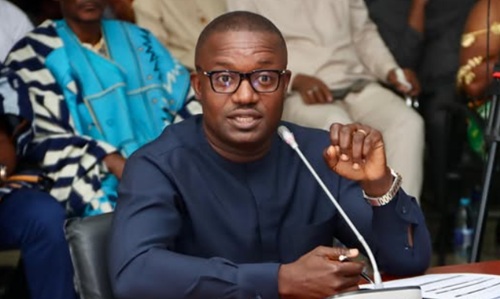
Minister for Energy, John Jinapor, says Ghana’s planned 1,200MW thermal power initiative is progressing steadily, as the government intensifies efforts to expand generation capacity and strengthen the country’s energy security framework.
The Minister made the disclosure after engaging Ghana Thermal Power Limited, the special purpose vehicle established by the government to execute the project. According to reports, Mr Jinapor said he had been briefed on the significant progress made so far on the preparatory and implementation works.
“The progress achieved thus far is a strong indication that this landmark initiative is firmly on course and will play a transformative role in the development of Ghana’s energy sector and the broader economy,” Mr Jinapor stated.
The project forms part of the government’s broader strategy to expand electricity generation capacity and reduce the risk of recurring power instability, which has in the past disrupted industrial output, business operations and household activity.
According to the Energy Minister, the 1,200MW thermal power initiative is designed to deliver reliable and sustainable electricity to support industry, businesses and households. He said the government remains committed to increasing generation capacity to ensure consistent supply at all times.
The initiative comes at a time when Ghana’s energy sector remains under pressure from rising demand, legacy financial obligations, transmission constraints and the need to balance power reliability with affordability.
For industry, dependable electricity remains one of the most important conditions for competitiveness. Manufacturers and large commercial users continue to cite power costs and supply reliability as major factors influencing production, pricing and investment decisions.
The proposed thermal power expansion could therefore play an important role in supporting Ghana’s industrialisation ambitions, particularly if it is backed by reliable fuel supply arrangements, cost-reflective but affordable tariffs and stronger sector governance.
The project also aligns with the government’s stated objective of building a more resilient, efficient and future-ready energy sector capable of supporting national development.
However, the success of the initiative will depend on execution. Ghana’s power sector has historically faced challenges around overcapacity risks, take-or-pay obligations, fuel supply constraints and debt accumulation across the electricity value chain.
Energy analysts are therefore likely to watch the structure of the project closely, particularly its financing model, fuel source, dispatch economics, tariff implications and integration into Ghana’s long-term power generation plan.
If properly structured, the 1,200MW initiative could strengthen Ghana’s reserve margin, improve supply security and support industrial growth. If poorly structured, it could add fresh financial pressure to a sector already managing legacy liabilities.
For government, the policy challenge is clear: Ghana needs enough power to support growth, but new capacity must be procured in a way that avoids repeating past mistakes.
Mr Jinapor’s assurance that the project is “firmly on course” signals government’s confidence in the initiative. The next test will be whether Ghana Thermal Power Limited can move from preparatory progress to bankable execution — and whether the project can deliver reliable electricity without worsening the sector’s financial burden.
In the end, the promise of the 1,200MW thermal power initiative will be judged not merely by installed capacity, but by whether it delivers affordable, reliable and economically productive power to businesses and households.

