

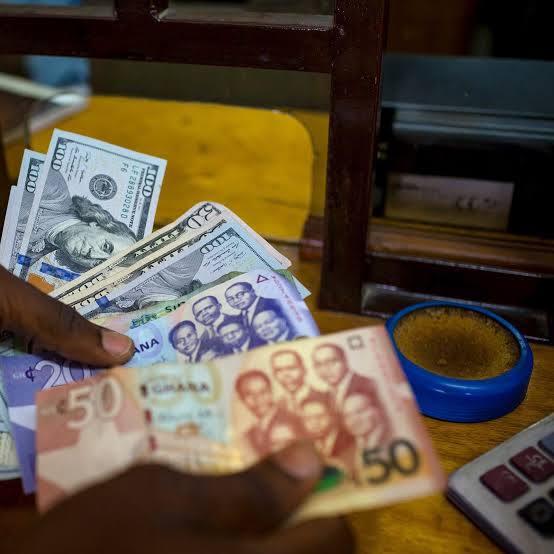

- Aggressive Fed and Rising Oil Threaten Renewed Pressure on the Cedi
The US dollar held close to a two-month high on Monday as renewed tension between Washington and Tehran pushed oil above $106 a barrel and strengthened expectations that the Federal Reserve will raise interest rates again in October.
The dollar index, which measures the currency against six major peers, edged higher to 101.15 and was on course to gain 1.7 per cent in September, its strongest monthly performance since June.
The euro and sterling each weakened by about 0.1 per cent to $1.1379 and $1.3232 respectively, remaining near multi-month lows against the US currency.
The movement reflects a difficult combination for the global economy: geopolitical tension is raising energy prices at the same time as persistent US economic strength gives the Federal Reserve more room to tighten monetary policy.
Brent crude rose by more than 1 per cent to above $106 a barrel after US President Donald Trump rejected an Iranian proposal aimed at resolving the conflict and reopening the Strait of Hormuz.
The rejection has reduced expectations of an immediate restoration of normal shipping through one of the world’s most important energy routes.
Higher oil prices increase inflation directly through petrol, diesel, aviation fuel and electricity costs. They also spread through transport, manufacturing and food-distribution expenses.
For the Federal Reserve, this raises the risk that inflation will remain above target for longer, even if the original shock is geopolitical rather than the result of excessive US demand.
Markets now assign a 65 per cent probability to another Fed rate increase when policymakers meet at the end of October, according to the CME FedWatch tool.
“The greenback could overshoot in the near term if energy market tensions persist and inflation risks continue to build,” said Sim Moh Siong, foreign-exchange strategist at OCBC.
The bank expects a moderate dollar rally into the end of the year.
Investors will scrutinise the US personal consumption expenditures index on Wednesday and non-farm payrolls on Friday for evidence that inflation and employment conditions support further tightening.
The immediate risk for emerging markets is that rising oil prices and a stronger dollar are occurring simultaneously.
Higher US interest rates make dollar assets more attractive, encouraging capital to move towards US Treasury securities and away from riskier developing-country markets. This can weaken emerging-market currencies and increase the cost of refinancing dollar-denominated debt.
At the same time, countries dependent on imported petroleum require more dollars to pay for fuel. The resulting increase in foreign-exchange demand can further weaken local currencies, creating a feedback loop in which depreciation makes imports more expensive and imported inflation becomes harder to control.
The Japanese yen fell 0.3 per cent to 157.7 against the dollar despite concerns expressed by Japanese and US officials about its undervaluation. The Australian dollar slipped to $0.7017, while China’s offshore yuan weakened to 6.7235 after a summit between Presidents Trump and Xi Jinping produced no significant public breakthrough on contentious bilateral issues.
For African economies, the external environment is particularly uncomfortable.
Oil-importing countries face higher energy bills, increased demand for dollars and potential pressure on inflation. Governments may be forced to choose between allowing pump prices to rise, absorbing part of the increase through subsidies or reducing taxes and levies at the cost of public revenue.
Each option carries economic consequences.
Nigeria, Angola and other crude exporters may receive higher dollar earnings from oil, but that advantage does not necessarily translate into cheaper domestic fuel. Refining costs, exchange rates, distribution constraints and domestic pricing systems can still push pump prices higher.
For Ghana, the global shift arrives when demand for dollars from commerce and energy importers is already testing the foreign-exchange market.
A stronger dollar raises the local-currency cost of petroleum imports, while oil above $106 threatens to increase the amount of foreign exchange required by bulk importers. Unless export receipts and other dollar inflows rise correspondingly, the imbalance could place additional pressure on the cedi.
The Bank of Ghana therefore faces a policy transmission problem that extends beyond domestic inflation.
The Monetary Policy Committee maintained the policy rate at 14 per cent at its latest meeting, balancing low inflation against risks from foreign-exchange pressures and declining reserve buffers. A prolonged increase in oil prices, combined with further US rate increases, would strengthen the argument for caution over any near-term reduction in Ghana’s policy rate.
Even where headline inflation remains contained, a weaker currency can eventually raise the cost of fuel, transport, machinery, medicines and imported production inputs.
The global environment may also influence Ghana’s domestic debt market. Higher US Treasury yields can cause investors to demand greater compensation for holding emerging-market assets, limiting the speed at which domestic yields decline.
Businesses could therefore face the indirect effects of the US–Iran conflict through higher fuel costs, exchange-rate uncertainty and tighter financing conditions.
The outlook now rests on three variables: whether Washington and Tehran can revive negotiations, whether oil supplies through the Strait of Hormuz normalise and whether incoming US data justify another interest-rate increase.
A diplomatic breakthrough could reduce oil prices and weaken part of the dollar’s safe-haven support. Continued confrontation would have the opposite effect.
The more difficult scenario for emerging markets would be a prolonged geopolitical dispute that keeps oil elevated while strong US economic data sustain expectations of further Fed tightening.
That would leave developing economies absorbing two external shocks at once: a more expensive dollar and a more expensive barrel of oil.
For Ghana and other African import-dependent economies, the danger is not merely that fuel prices rise. It is that the oil shock raises dollar demand, weakens currencies, limits monetary-policy flexibility and slows the decline in borrowing costs.
What begins as a dispute around the Strait of Hormuz could consequently reach African households through the exchange rate, the fuel pump and the interest charged on credit.

