


- BAL Qualification Overshadowed as Spintex Knights Struggle With US$30,000 Debt
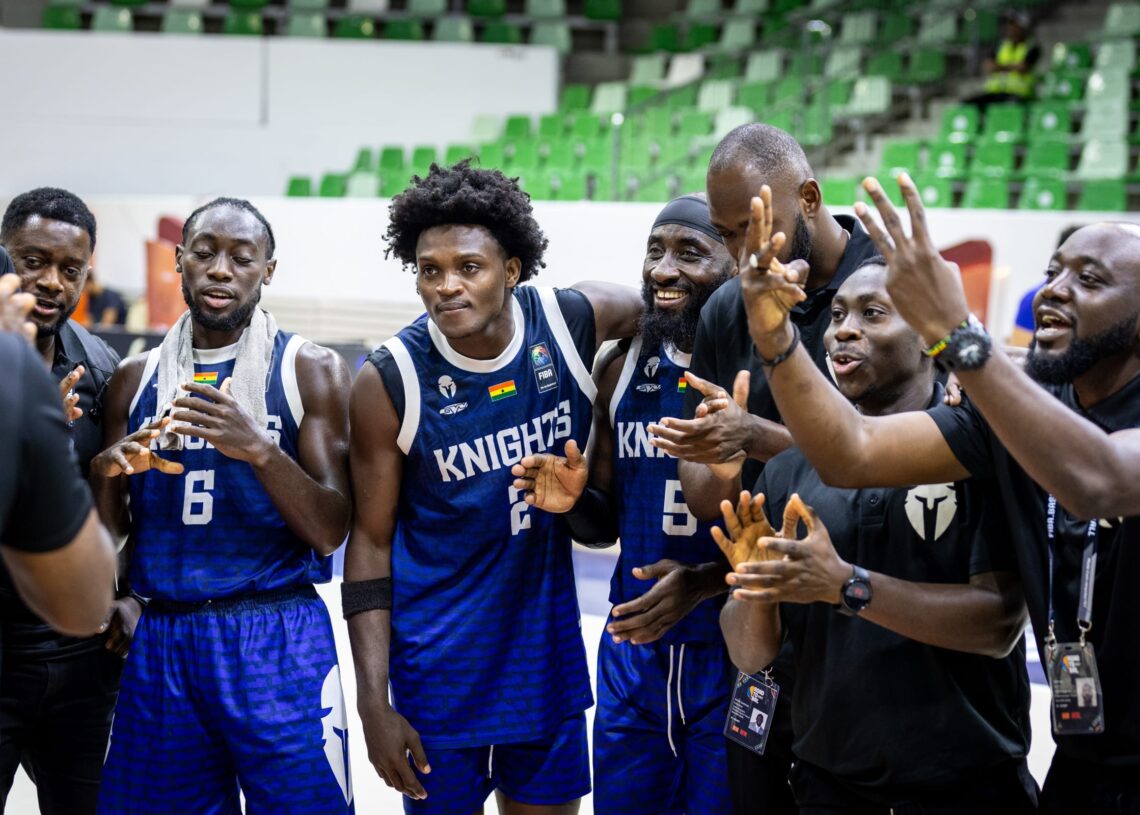
Spintex Knights have returned to Ghana after being stranded in Libya over unpaid travel obligations, but the basketball club still faces an outstanding debt of US$30,000 ahead of its Basketball Africa League Elite 16 campaign.
The Ghanaian champions arrived home after negotiations with their travel agent cleared the way for the team’s departure from Libya. Individual donations also helped the club raise US$3,000 to settle visa-on-arrival charges accumulated during the continental campaign.
Although the return has ended the immediate travel crisis, the club must now find additional funding to participate in the Elite 16 tournament scheduled for November 10 to 15 in Abidjan, Côte d’Ivoire.
Spintex Knights qualified for the next stage after winning all three matches and finishing top of Group B in the Division West qualifiers.
The unbeaten performance should ordinarily have been celebrated as a major achievement for Ghanaian basketball. Instead, it was overshadowed by the team’s inability to settle travel-related expenses and return home immediately after the competition.
Dr Eric Opoku-Antwi, co-founder of Spintex Knights, renewed his appeal to corporate organisations after meeting the players and officials at the Accra International Airport.
“This is a cry for help to corporate Ghana to step in and help the best basketball team in Ghana that has shown over the past three years every year they enter the BAL, they actually do perform,” he said.
“When that support comes in, I believe that they won’t regret it.”
The financial difficulties confronting the Knights underline the widening gap between sporting performance and institutional support in Ghana.
The club has demonstrated that it can compete successfully against teams from other African countries. However, continental participation requires funding for flights, accommodation, visas, feeding, local transport, insurance and competition-related charges.
For clubs without established commercial partnerships, these costs can become overwhelming even when the team performs well on the court.
Spintex Knights reportedly carried an initial travel burden of about US$33,000. Support from individuals assisted with US$3,000 in immediate visa charges, leaving the club with approximately US$30,000 in outstanding obligations.
That financial burden must be addressed while the team prepares for a more competitive stage of the Basketball Africa League qualifiers.
The Elite 16 will bring together some of the strongest clubs emerging from the regional qualification process. Spintex Knights will need to travel, train and prepare adequately if they are to build on their unbeaten Division West campaign.
Financial uncertainty could disrupt that preparation. Players and technical staff need to focus on tactics, conditioning and recovery rather than whether the club can afford transportation and accommodation.
The situation also raises questions about the funding structure for Ghanaian clubs representing the country in international competitions.
National teams generally receive direct state support, although delays and funding shortages remain common. Privately owned clubs, however, often rely on their founders, limited sponsorship and short-term fundraising even when they are effectively carrying Ghana’s flag at continental events.
Spintex Knights’ experience shows why qualification alone cannot be treated as the endpoint. Clubs need financial plans covering the entire competition cycle, including the possibility of progressing beyond the preliminary stages.
Success can itself increase costs. Each additional round creates new travel and accommodation obligations, meaning a club can perform beyond expectations and simultaneously move deeper into financial difficulty.
Corporate Ghana’s limited investment in basketball has also become difficult to ignore. Football dominates sponsorship and media attention, leaving basketball clubs with fewer commercial opportunities despite the sport’s growing youth appeal.
The Basketball Africa League provides an international platform that could offer companies brand visibility across multiple African markets. It also creates opportunities to associate corporate brands with youth development, discipline, entertainment and national representation.
However, sponsorship must move beyond emergency donations. Spintex Knights need structured partnerships that allow the club to budget before competitions rather than appeal for assistance after debts have accumulated.
Potential arrangements could include title sponsorship, travel partnerships, accommodation support, equipment agreements and performance-based funding. The team could also offer sponsors digital content, jersey branding, event activations and access to basketball’s growing urban audience.
The club must, in return, provide prospective sponsors with transparent budgets, audience data, media plans and clear commercial value. Sporting success is important, but corporate investment will also depend on governance, financial accountability and measurable brand exposure.
The Ghana Basketball Federation and the Ministry of Sports and Recreation also have a role to play. Even where direct public funding is limited, they can help clubs secure sponsorship, negotiate travel support and coordinate early with diplomatic missions and tournament organisers.
A formal support framework for Ghanaian teams qualifying for recognised continental competitions could prevent similar emergencies. Such a framework could define the responsibilities of clubs, federations, government and private sponsors before teams leave the country.
The immediate priority is ensuring that Spintex Knights clear their US$30,000 obligation and reach Abidjan in conditions that allow them to compete effectively.
Their players have already delivered what was required on the court: three matches, three victories and qualification for the Elite 16.
The outstanding question is whether Ghana’s sporting and corporate institutions can match that performance away from the court.
Spintex Knights’ return home provides relief, but it should not bring the issue to an end. A team representing Ghana cannot be expected to rely on emergency donations and negotiations with creditors each time it succeeds internationally.
If the club is to progress in the Basketball Africa League, its financial preparation must become as serious as its sporting ambition.

