

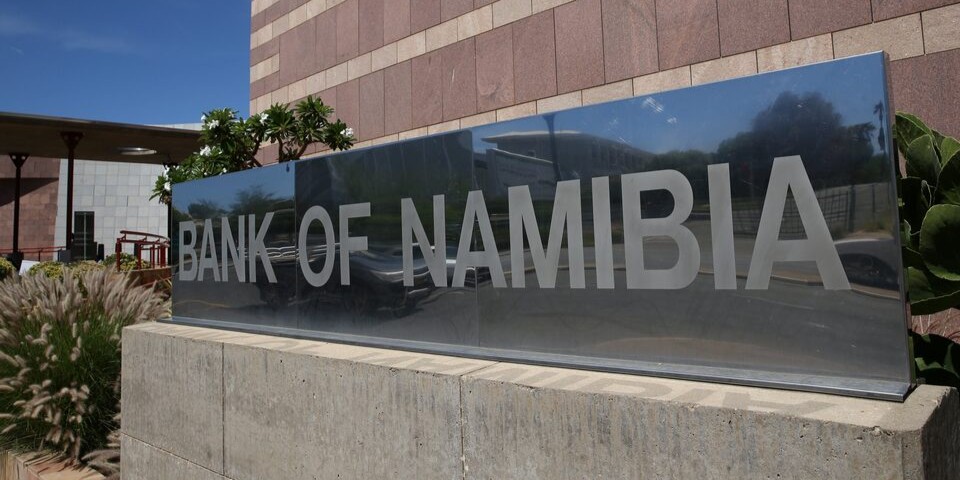

- Bank of Namibia Hikes Repo Rate for First Time in Three Years
Namibia’s central bank has raised its main interest rate for the first time in three years, citing rising inflation pressures linked to higher oil prices and the need to safeguard the country’s currency peg with the South African rand.
The Bank of Namibia increased its repo rate by 25 basis points to 6.75% after its Monetary Policy Committee meeting held on June 15 and 16, 2026.
The decision marks a shift from the easing and hold stance that had characterised monetary policy in recent years, as policymakers respond to renewed inflation risks despite subdued domestic economic activity and weak credit growth.
According to Reuters, the central bank also revised its inflation forecast upward, now expecting inflation to average 4.00% in 2026, compared with the 3.70% forecast issued at its April policy meeting.
The revision reflects concerns over higher oil prices and broader global price pressures, even after a peace agreement between the United States and Iran eased some immediate geopolitical concerns.
Inflation in Namibia quickened to 4.10% year-on-year in May from 3.10% in April, reinforcing the central bank’s view that a moderate tightening of policy was necessary.
“The Monetary Policy Committee noted rising global and domestic inflationary pressures over the near term, despite the ensuing peace agreement between the United States and Iran,” the Bank of Namibia said in a statement quoted by Reuters.
The rate increase is particularly significant because Namibia’s monetary policy is closely tied to South Africa’s. The Namibian dollar is pegged one-to-one to the South African rand, making policy alignment with the South African Reserve Bank an important part of protecting the peg and maintaining financial stability.
The South African Reserve Bank raised its main lending rate by 25 basis points last month, adding pressure on Namibia to adjust its own policy stance.
The Bank of Namibia said its decision was guided by a comprehensive assessment of recent economic indicators and the need to continue safeguarding the currency peg.
That peg is central to Namibia’s macroeconomic framework.
It supports trade and financial integration with South Africa, Namibia’s dominant economic partner, but it also limits the country’s room for independent monetary policy.
When South Africa tightens policy, Namibia often has to consider whether keeping its own rate lower could create pressure on capital flows, reserves and confidence in the peg.
This makes the latest rate hike not only an inflation decision, but also a currency stability decision.
Higher oil prices have become a major concern for policymakers across import-dependent economies.
Namibia, like many African economies, relies heavily on imported fuel. When global oil prices rise, the effects can quickly pass through to transport costs, food distribution, household energy costs and broader production expenses.
Reuters reported that the inflation uptick came despite government efforts to cushion consumers by cutting fuel levies in response to the global energy price surge triggered by the US-Israeli war against Iran.
That suggests the scale of external price pressure may be strong enough to offset part of the relief provided through fiscal measures.
For households, rising fuel-related inflation can quickly reduce purchasing power, especially in an economy where transport and food costs are sensitive to fuel price movements.
For businesses, higher fuel prices raise operating costs, weaken margins and can lead to higher consumer prices if firms pass on the cost increases.
For the central bank, the challenge is to prevent temporary fuel shocks from becoming entrenched inflation expectations.
This explains the decision to tighten policy moderately, even though domestic economic activity remains subdued and credit extension is sluggish.
That balance is delicate.
Raising interest rates can help contain inflation expectations and support the currency, but it can also make borrowing more expensive for households and businesses.
In an economy already facing weak credit growth, higher rates may further slow private sector lending and investment.
The Bank of Namibia appears to be taking the view that inflation and currency risks now require a cautious tightening, even if growth conditions are not particularly strong.
The move also reflects a broader regional and global shift.
Central banks that had expected inflation to continue easing are now reassessing the outlook because of renewed energy price shocks and geopolitical risk.
For Namibia, the oil price channel is especially important because the country is a price taker in global fuel markets.
Even with domestic fuel levy adjustments, sustained global price increases can still feed into inflation and affect the balance of payments.
The upward revision of Namibia’s 2026 inflation forecast from 3.70% to 4.00% is not dramatic in absolute terms, but it signals a deterioration in the outlook.
It also shows that policymakers are concerned about the direction of travel.
Inflation remains relatively moderate compared with many African economies, but the sharp movement from 3.10% in April to 4.10% in May shows how quickly external shocks can shift the picture.
The rate hike may therefore be seen as pre-emptive rather than aggressive.
By raising the repo rate by 25 basis points, the central bank is sending a signal that it is prepared to act early to contain inflation while avoiding an excessive tightening that could damage growth.
For banks and borrowers, the increase could translate into higher lending rates, depending on how quickly the policy adjustment passes through the financial system.
For savers, higher rates may support returns on deposits and money market instruments.
For government, higher rates could raise the cost of domestic borrowing if market yields adjust upward.
The decision also places Namibia within the wider Southern African policy cycle, where inflation, oil prices, currency stability and South Africa’s policy stance remain closely connected.
Because of the rand peg, Namibia cannot ignore movements in South African monetary policy. The peg creates credibility and stability benefits, but it also means Namibia’s policy choices must be consistent with conditions in the common monetary environment.
The latest decision therefore reinforces the importance of the relationship between Windhoek and Pretoria in monetary policy transmission.
Looking ahead, the key issue will be whether oil prices remain elevated or begin to ease sustainably.
If energy prices fall and inflation stabilises, the Bank of Namibia may be able to hold rates steady. But if fuel costs rise further or inflation expectations worsen, additional tightening cannot be ruled out.
For now, the central bank has chosen a measured response: a 25-basis-point increase designed to contain inflation risks, protect the currency peg and preserve policy credibility.
The decision shows that even relatively stable inflation environments can change quickly when external shocks hit.
Namibia’s inflation rate remains far below crisis levels, but the central bank is clearly unwilling to wait until the problem becomes more difficult to control.
The message from the June policy meeting is straightforward: higher oil prices have changed the outlook, and the Bank of Namibia is prepared to tighten policy to keep inflation and currency risks contained.

