


- BoG Calls for Accurate, Contextual Reporting on Economy and Financial Markets
The Bank of Ghana has urged journalists to strengthen the quality of economic reporting and help counter misinformation, warning that inaccurate reports on sensitive economic issues can undermine public confidence, distort market behaviour and weaken policy effectiveness.
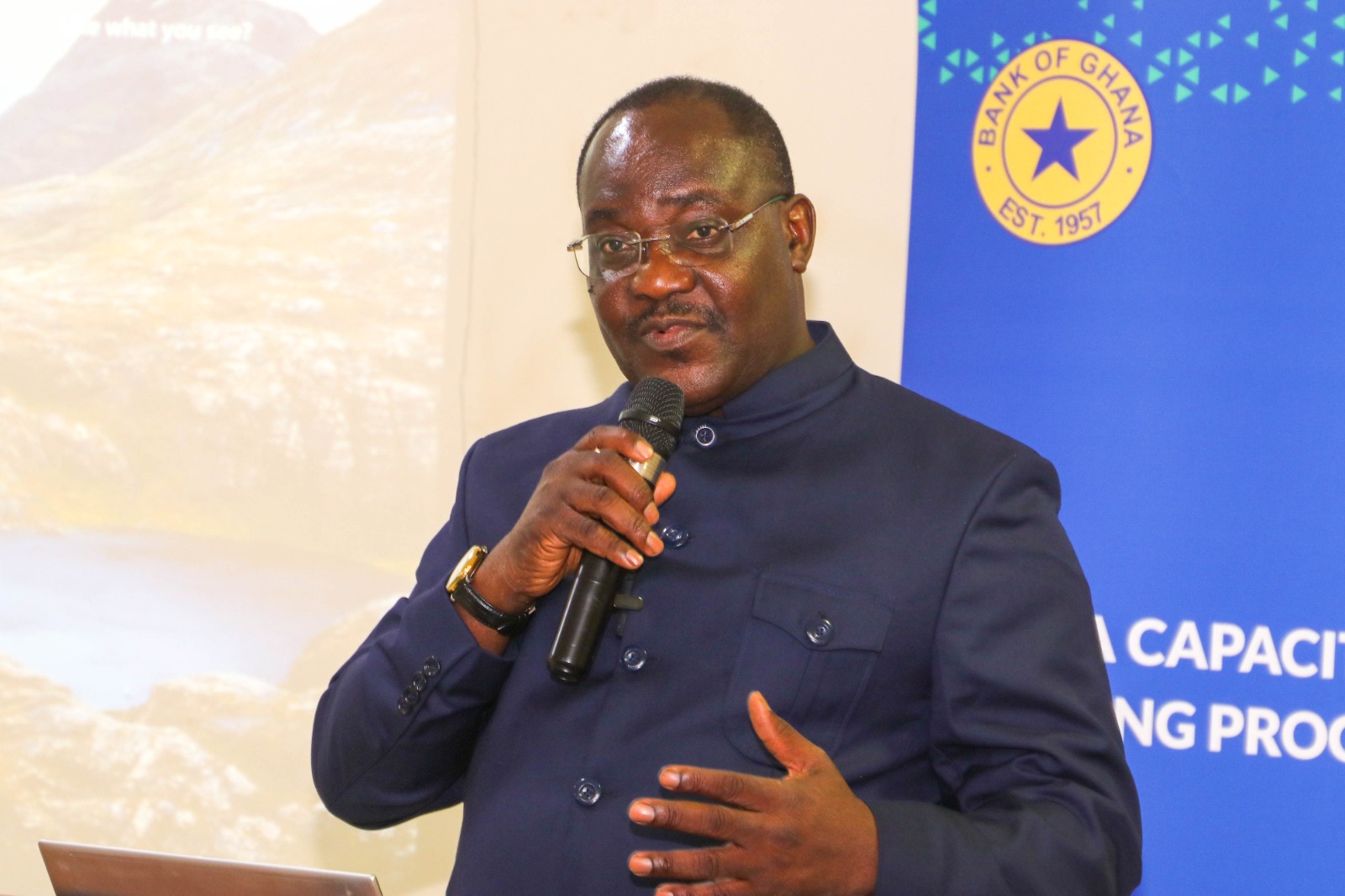
Speaking at the opening of a three-day media capacity-building programme in Koforidua, the Director of Communications at the Bank of Ghana, Bernard Otabil, said journalists have a strategic role to play in helping the public understand monetary policy, financial markets and broader economic developments.
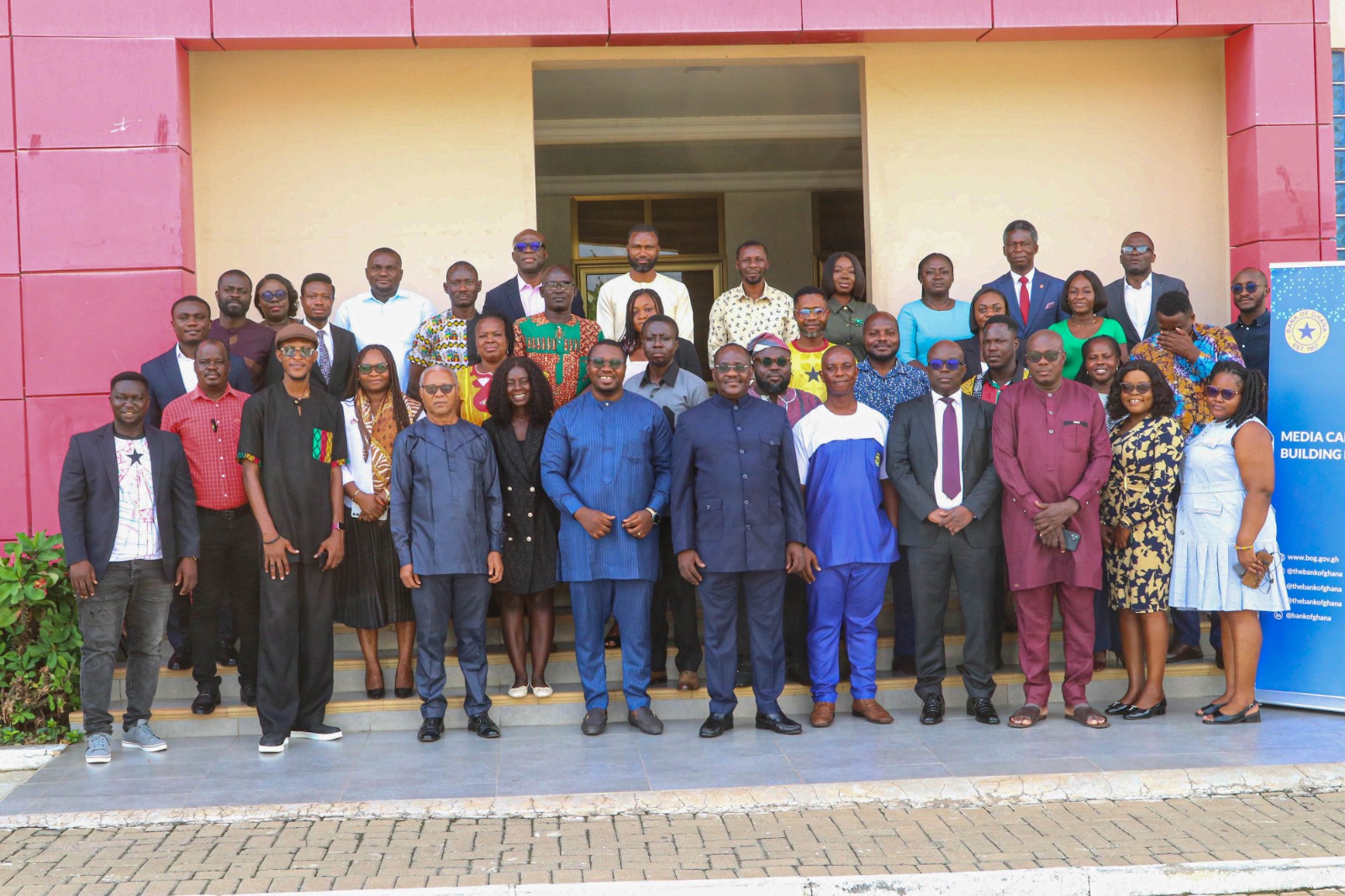
The programme, sponsored by the central bank, brought together journalists from the Central, Volta, Eastern and Ashanti regions. It is aimed at deepening participants’ understanding of monetary policy, banking sector developments, financial markets, exchange rate dynamics and responsible economic journalism.
Mr Otabil said the ultimate measure of the programme’s success would not merely be attendance, but the extent to which journalists produce more accurate, balanced and contextual economic stories after the training.
According to him, the media serves as a critical bridge between policymakers and the public, making it necessary for journalists to explain economic policy decisions in ways that are accurate, accessible and useful to citizens and businesses.
“How economic policies are understood, debated and reported ultimately shapes public confidence, investor sentiment and behaviour in the real sector. That is why the Bank of Ghana values partnerships such as this to ensure reporting on monetary policy, financial stability and the economy is accurate, contextual and solution-focused,” he said.
His comments come at a time when Ghana’s economy is showing signs of resilience following a period of severe macroeconomic stress, debt restructuring, elevated inflation and currency volatility.
Mr Otabil said the Composite Index of Economic Activity expanded by 12.60% in March 2026, while inflation remained relatively contained at 3.70%. He also disclosed that Ghana’s gross international reserves currently stand at about US$14.40 billion, providing an important buffer against external shocks.
But he cautioned journalists against relying only on headline numbers when reporting on the economy.
“Numbers alone do not tell the full story. Behind every statistic are people, livelihoods and businesses. The role of the media is to explain how policy decisions affect access to credit, the cost of doing business, employment and household welfare,” he stated.
That message is important because economic reporting often carries real consequences.
A report on inflation, exchange rates, interest rates or banking sector stability can influence how households spend, how businesses price goods, how investors allocate capital and how depositors respond to market rumours.
For the central bank, therefore, communication is not just about public relations. It is part of maintaining confidence in the financial system.
Mr Otabil said journalists must go beyond reporting economic challenges to also highlight opportunities emerging in sectors such as agriculture, manufacturing and exports.
He said responsible economic journalism should help citizens understand both the risks and opportunities within the economy.
He expressed particular concern about the growing threat of misinformation and disinformation, describing it as one of the biggest challenges facing communication professionals.
“If you ask me what keeps me awake at night as Communications Director, I will tell you it is misinformation and disinformation. Every day, we find ourselves correcting false narratives and fake news that can mislead the public and undermine confidence in the economy,” he said.
The warning is especially relevant in the age of social media, where unverified economic claims can spread quickly and trigger public anxiety before official institutions have time to respond.
Mr Otabil said inaccurate reporting on sensitive issues such as inflation, exchange rates and currency performance could lead businesses and individuals to make panic-driven decisions.
Using the foreign exchange market as an example, he said speculative reports about the cedi could create unnecessary demand for foreign currency.
“When people hear unverified reports suggesting the cedi will sharply depreciate, they may rush to buy and hold foreign currency. When this behaviour is repeated by many people, individual decisions become collective panic, creating pressure on the market and affecting the wider economy,” he cautioned.
His remarks point to one of the most delicate aspects of economic journalism: the need to report market developments truthfully without amplifying speculation or creating panic.
In economies where confidence is fragile, badly framed economic information can become self-reinforcing.
A rumour about currency depreciation can drive foreign currency demand. Reports of financial sector weakness can trigger deposit anxiety. Misleading inflation commentary can shape pricing behaviour.
This is why Mr Otabil urged journalists to verify information rigorously, avoid sensationalism and provide context when reporting economic data.
The training programme is expected to expose participants to presentations from different departments of the central bank.
Topics will include monetary policy transmission, banking sector operations, financial markets, exchange rate dynamics and ethical journalism practices.
For the Bank of Ghana, the engagement is also an opportunity to build stronger relationships with regional journalists who report on economic developments outside Accra.
This is important because the impact of economic policy is felt across the country, not only in the capital.
Businesses in Koforidua, Kumasi, Ho and Cape Coast face the same pressures from credit conditions, prices, exchange rate movements and banking sector developments as businesses in Accra.
A better-informed regional media can therefore help explain economic policy in a way that connects with local realities.
Mr Otabil expressed optimism that the programme would equip journalists with the knowledge and tools needed to report economic issues more effectively.
He said accurate reporting enables citizens to make informed decisions while strengthening trust in public institutions.
“The media has a powerful responsibility. Through accurate, balanced and responsible reporting, journalists can help build understanding, confidence and resilience within our economy,” he added.
The central message from the Bank of Ghana is clear.
Economic reporting is not ordinary reporting. It shapes confidence, markets and behaviour.

