

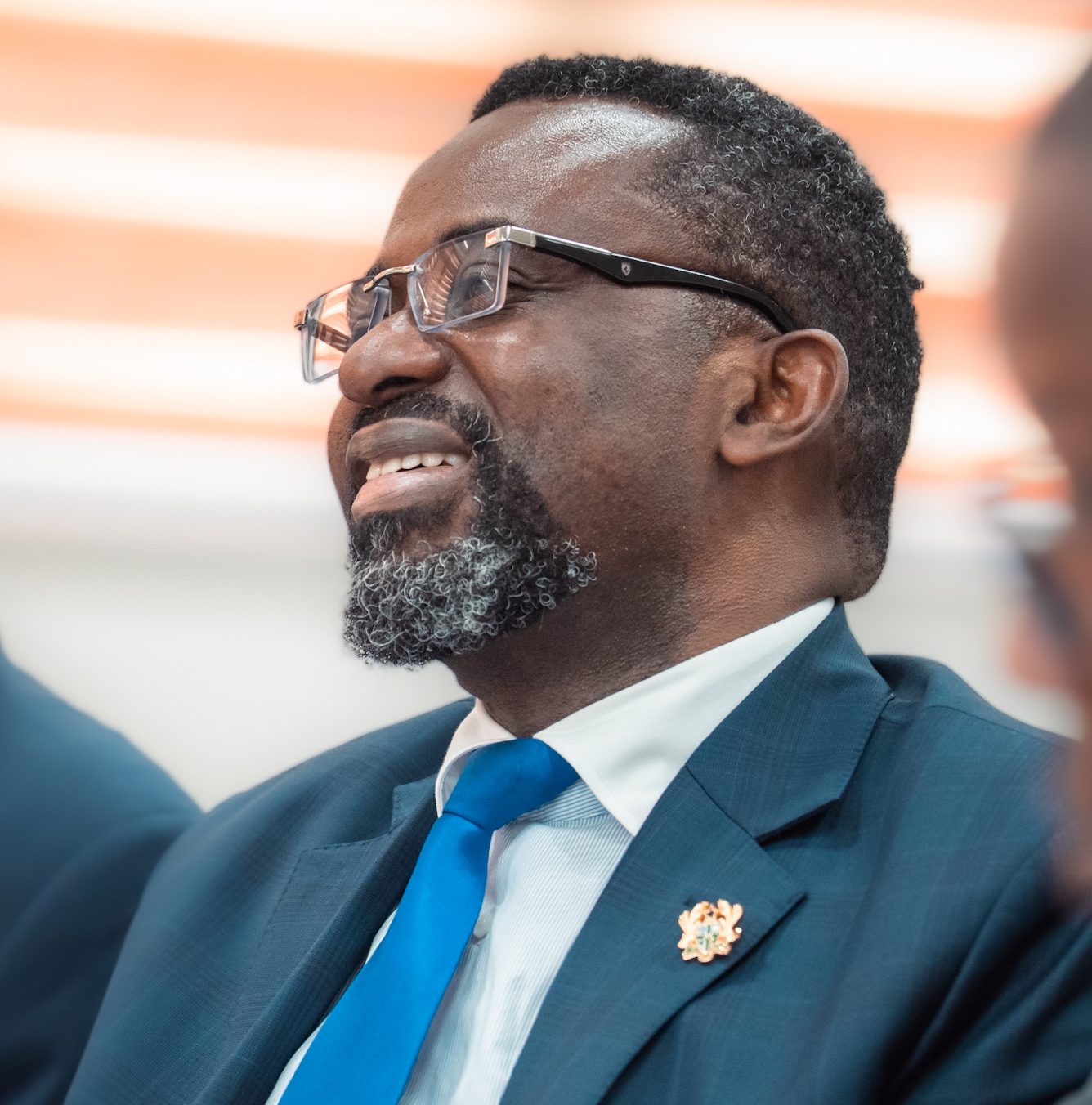

- BoG Governor defends gold reserve rebalance as strategic shield, not asset sell-off
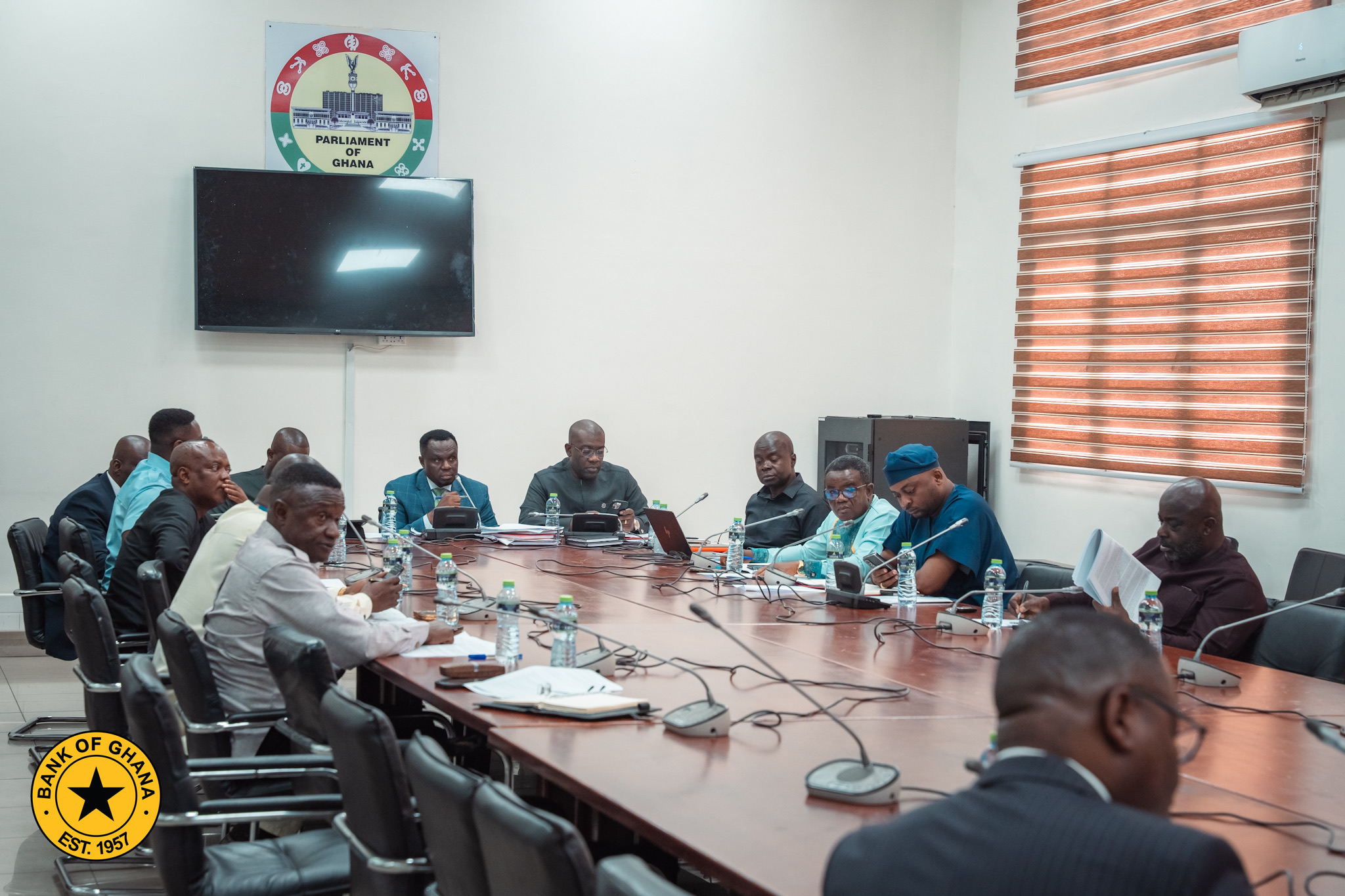
The Governor of the Bank of Ghana, Dr Johnson Pandit Asiama, on Monday defended the central bank’s decision to rebalance its gold reserves, insisting before Parliament that the move should be understood as a reserve management strategy rather than a reduction in Ghana’s national assets.
Appearing before the Parliamentary Committee on Economy and Development, Dr Asiama said the Bank’s gold holdings had risen sharply in recent years under the Domestic Gold Purchase Programme, increasing from about 8.7 tonnes before the programme began in 2021 to more than 40 tonnes by October 2025. Over the same period, the rally in global gold prices pushed bullion’s share of Ghana’s gross international reserves to roughly 42 per cent, creating what the Bank now sees as an unhealthy concentration within the reserve portfolio.
He told lawmakers that for an economy such as Ghana’s, reserve management cannot be reduced to the simple accumulation of gold or any single asset class. Instead, the bank’s task is to maintain a portfolio that is liquid, diversified, and capable of being deployed quickly to support exchange rate stability, import coverage, and external shock absorption.
“Ghana’s gold reserves remain part of our national reserves. What changed was the composition of those reserves.” — Dr Johnson Pandit Asiama, Governor, Bank of Ghana
Dr Asiama’s defence comes against the backdrop of growing public scrutiny over the Bank’s handling of gold within the reserve mix. In his presentation, he argued that the rebalancing exercise did not amount to the loss or depletion of national wealth, since part of the gold stock was exchanged for foreign exchange assets that remain fully within Ghana’s international reserves.
The Governor stressed that central banks do not manage reserves to speculate on commodity prices, but to strike a balance between safety, liquidity and diversification. He said periodic rebalancing of gold holdings is consistent with standard reserve management practice and that the foreign exchange proceeds from the adjustment continue to be invested as part of Ghana’s reserve portfolio.
That argument goes to the heart of the Bank’s position. While gold remains an important strategic asset, the central bank believes that allowing it to dominate the reserve basket could reduce flexibility at a time when Ghana remains vulnerable to external pressures and market shocks. The rebalancing, in the Governor’s telling, was therefore less about moving away from gold than about restoring a more workable reserve structure.
“Reserves must not only be valuable, but also liquid, diversified, and readily usable when needed.” — Dr Johnson Pandit Asiama
The issue has taken on wider significance because gold carries political and symbolic weight in Ghana, where reserve accumulation is often seen not only through a technical monetary lens but also as a marker of national strength. Monday’s hearing suggested that the Bank is seeking to reframe that narrative by emphasising the operational purpose of reserves rather than their symbolic appeal alone.
Dr Asiama said the Bank’s objective was to ensure that reserve adequacy is matched by reserve usability. In practical terms, that means maintaining a portfolio that can be mobilised when needed to manage foreign exchange conditions and support broader macroeconomic stability.
“This was a strategic diversification measure designed to strengthen the resilience and usability of Ghana’s international reserves, not a depletion of national assets.” — Dr Johnson Pandit Asiama
For the Bank of Ghana, the parliamentary briefing was about more than technical explanation. It was also an attempt to defend the credibility of a policy choice that has become politically charged. The Governor’s central message was clear: in a volatile external environment, prudence lies not in holding the largest possible gold stock, but in managing reserves in a way that preserves flexibility, resilience and confidence.

