
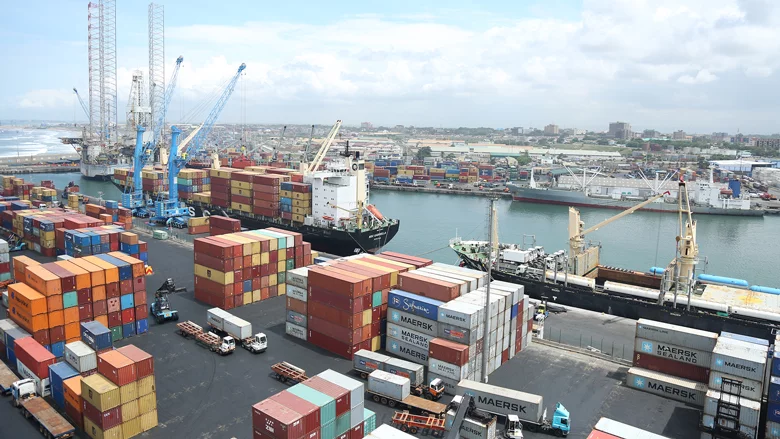

China scraps tariffs for 53 African countries, isolating Eswatini in trade realignment
China has removed tariffs on imports from 53 African countries, granting near-universal duty-free access to its market in a move aimed at deepening trade ties and strengthening its economic influence across the continent.
The policy, which excludes only Eswatini due to its diplomatic relations with Taiwan, represents a significant expansion of Beijing’s preferential trade framework with Africa and is expected to remain in force until April 2028.
The latest measure builds on an earlier initiative that eliminated tariffs for 33 least-developed African countries, extending the benefits to larger and more diversified economies such as Ghana, Nigeria and South Africa.
Chinese authorities say the policy is designed to boost African exports, enhance market access and support industrialisation, particularly in sectors such as agriculture, mining and light manufacturing. Products including cocoa, coffee, fruits and processed goods previously subject to tariffs of up to 30% are expected to gain a competitive edge in the Chinese market.
The initiative comes at a time of shifting global trade dynamics, with Beijing positioning itself as a champion of open markets in contrast to rising protectionist tendencies elsewhere. Analysts note that the move also serves a broader geopolitical purpose, reinforcing China’s role as Africa’s largest trading partner and deepening strategic alliances across the continent.
However, economists caution that while the zero-tariff regime improves access, it may not fully address structural constraints facing African exporters, including limited industrial capacity, weak logistics systems and a continued reliance on raw commodity exports.
Trade between China and Africa remains heavily imbalanced, with African economies exporting primarily raw materials while importing higher-value manufactured goods an asymmetry that tariff reductions alone may not resolve.
Even so, the policy is expected to deliver short-term gains, particularly in agriculture and resource-based exports, while potentially encouraging longer-term investment in local processing and value addition.
The exclusion of Eswatini underscores the geopolitical dimension of the policy, highlighting how diplomatic alignments continue to shape trade relations in an increasingly fragmented global economy.

